“Intangible Cultural Heritage + Metaverse: Research, Documentation, Transmission, and Promotion of the Cheung Chau Jiao Festival”
Funded by the Intangible Cultural Heritage Office, HKSAR Government Amount of Grant: HK$956,000
Project Investigator: Prof. Selina Ching Chan
Project Description:
The Cheung Chau Jiao Festival, originating in the 19th century as a religious ceremony held by islanders to ward off plague, has become a representative traditional festival in Hong Kong, carrying profound cultural connotations of the islanders’ prayers for peace and prosperity and the solace of their souls. The project “Metaversing Intangible Cultural Heritage: Documenting, Transmitting and Promoting the Cheung Chau Jiao Festival,” led by Professor Selina Chan, Academic Vice President of Hong Kong Shue Yan University, uses the 2025 Cheung Chau Jiao Festival as its main subject. Through technologies such as Virtual Reality (VR), Mixed Reality (MR), and Augmented Reality (AR), it aims to allow traditional culture to be passed down and promoted to the public in a more engaging way by blending the virtual and real worlds. This project, combining technology and cultural research, is not merely a technological demonstration, but it allows intangible cultural heritage to transcend the limitations of physical space and specific time, entering the public eye in an interactive, revisitable, and shareable manner. Through immersive experiences, the public can understand the historical context, religious implications, and cultural connotations behind the festival, thus playing a role in the recording, inheriting, and promoting of intangible cultural heritage.
The Cheung Chau Jiao MR Platform recreates the festive scenes of the 2025 Jiao Festival, showcasing various aspects of this traditional event. The public can access two interactive information boards, featuring multiple 360-degree videos that offer a comprehensive understanding of the festival’s traditions and ritual content. Additionally, historical photographs allow visitors to travel through time and experience the evolution of the Jiao Festival over the years.
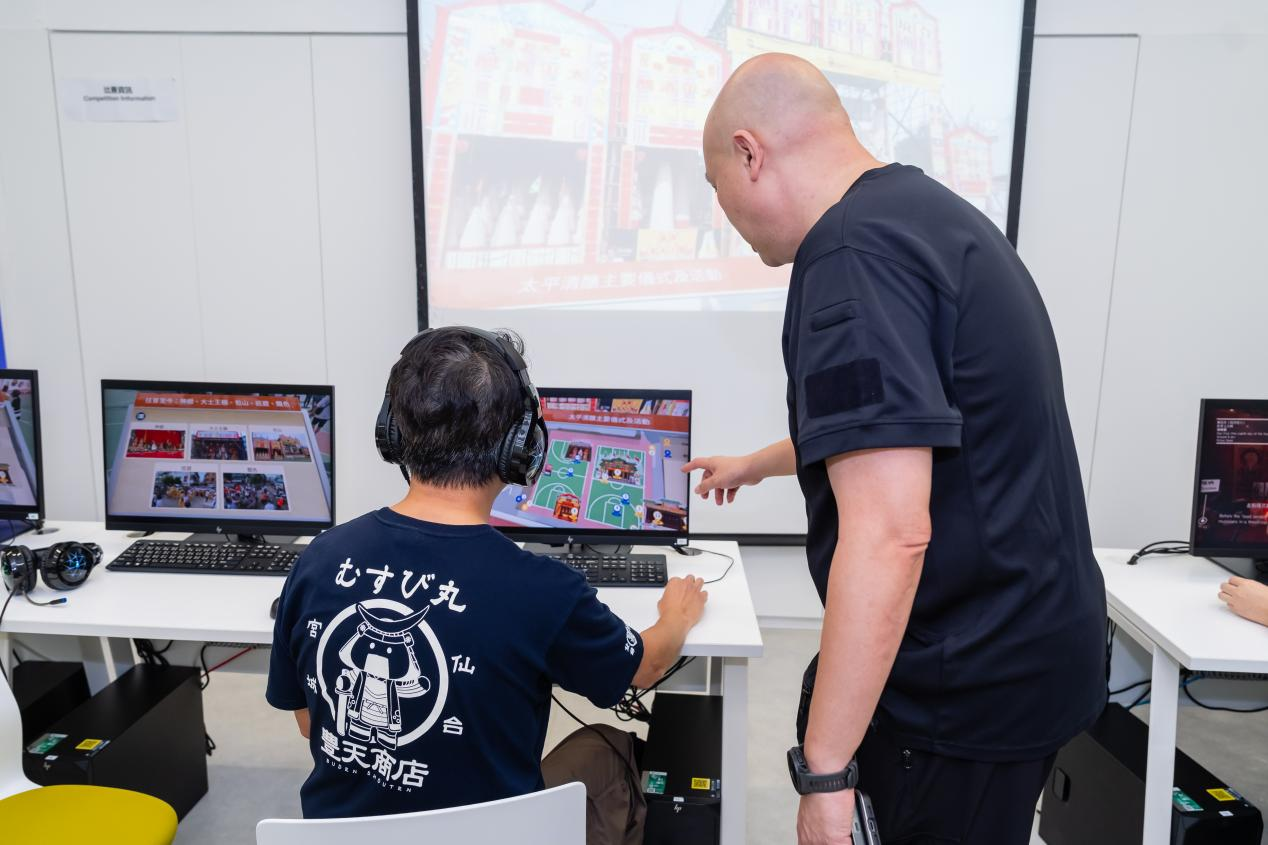
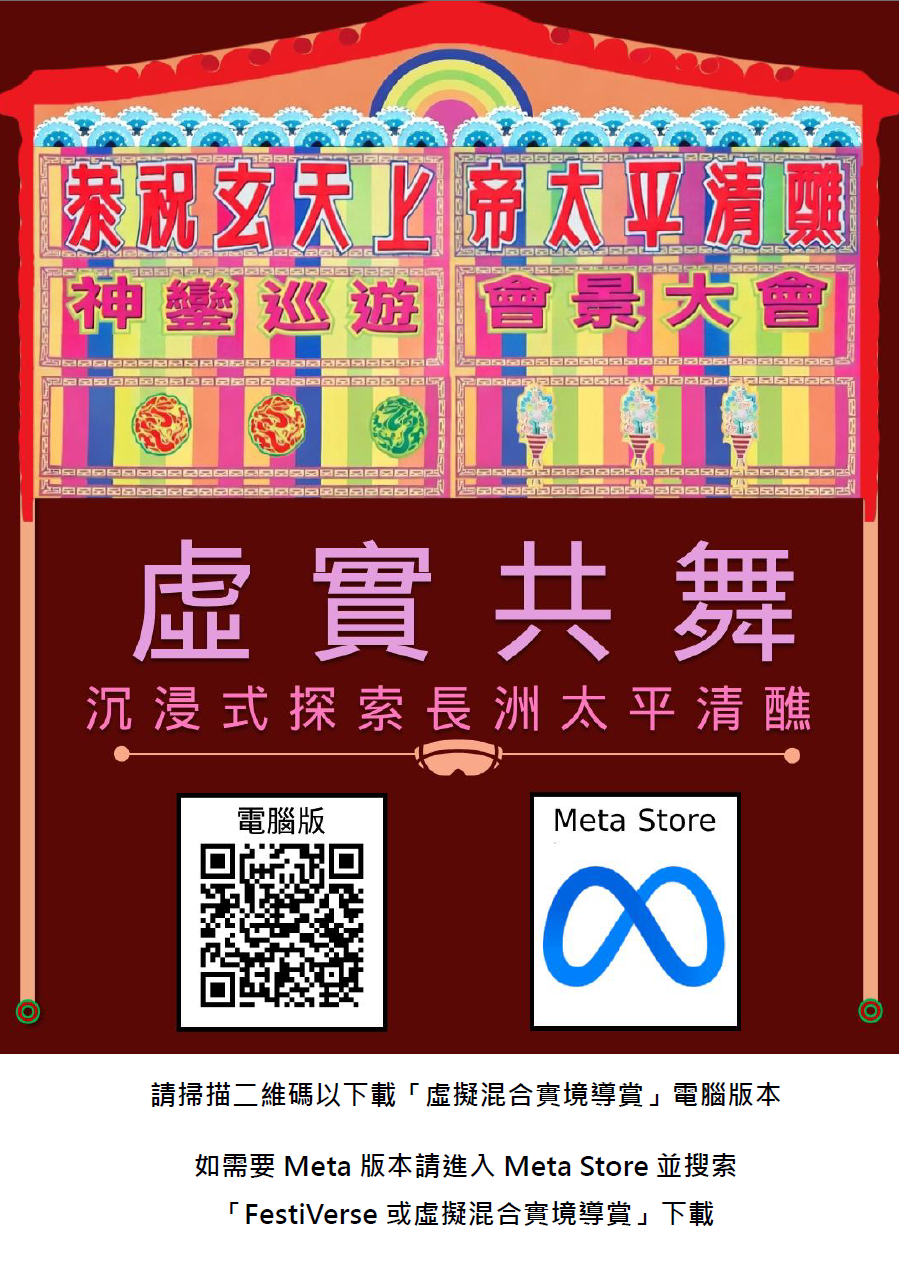
This MR platform is available in two versions: a Windows desktop version and a VR headset version. Both enable users to feel as though they are physically present at the Cheung Chau Jiao Festival site, immersing themselves in the captivating charm of intangible cultural heritage.
Cheung Chau Jiao Festival Mixed Reality Tour and Public Launch
Cheung Chau Jiao Festival Mixed Reality Tour and Public Launch:
Hong Kong Shue Yan University held “The Real and Virtual in Flux: Cheung Chau Jiao Festival Mixed Reality Tour and Public Seminar” on April 11, 2026. The event, organized by Professor Selina Chan, Academic Vice-President of Shue Yan University, aimed to utilize digital technology to research and preserve Chinese culture.
Professor Selina Chan’s team comprises experts in digital cultural heritage, immersive technology, digital modeling, and augmented reality. In 2025, the team travelled to Cheung Chau to document the five-day, four-night Jiao Festival, taking over 7,000 photographs, including those of the bun tower shed, opera shed, banquet of offerings to the spirits ritual, and the water spirits offering ritual. They’ve also collected hundreds of 360 degree and 2D videos, creating 3D models and using multimodal recording to build digital archives and construct virtual scenes, thus preserving the Cheung Chau Jiao Festival through digital technology.
To conduct in-depth research, the team interviewed relevant individuals before the Cheung Chau Jiao Festival and consulted historical documents from the Government Records Service. The research team created a mixed reality (MR) experience of the Cheung Chau Jiao Festival, capturing the details and atmosphere of the entire festival, allowing the public to immerse themselves and further understand the significance of the festival for different groups. Professor Selina Chan described it as an immersive experience where users can actively learn and master relevant knowledge.
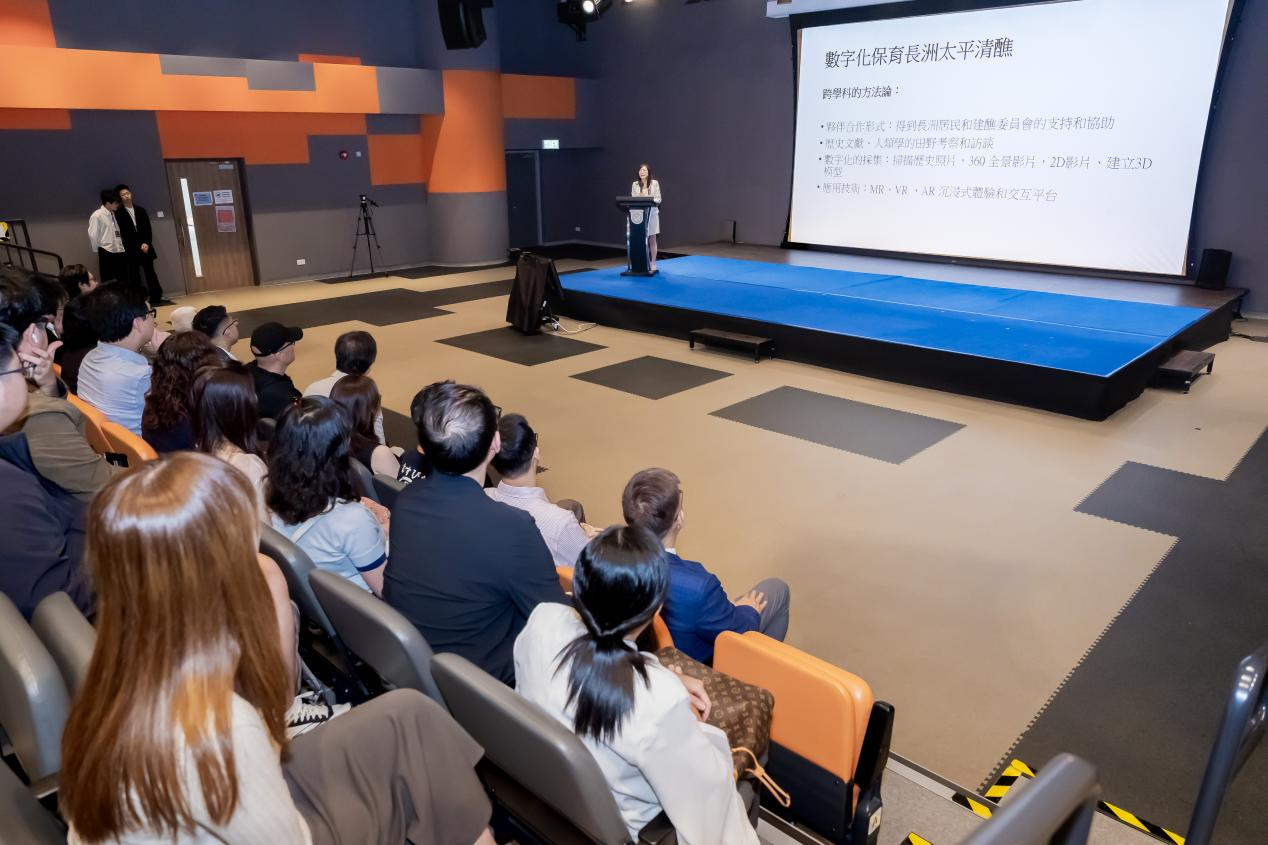
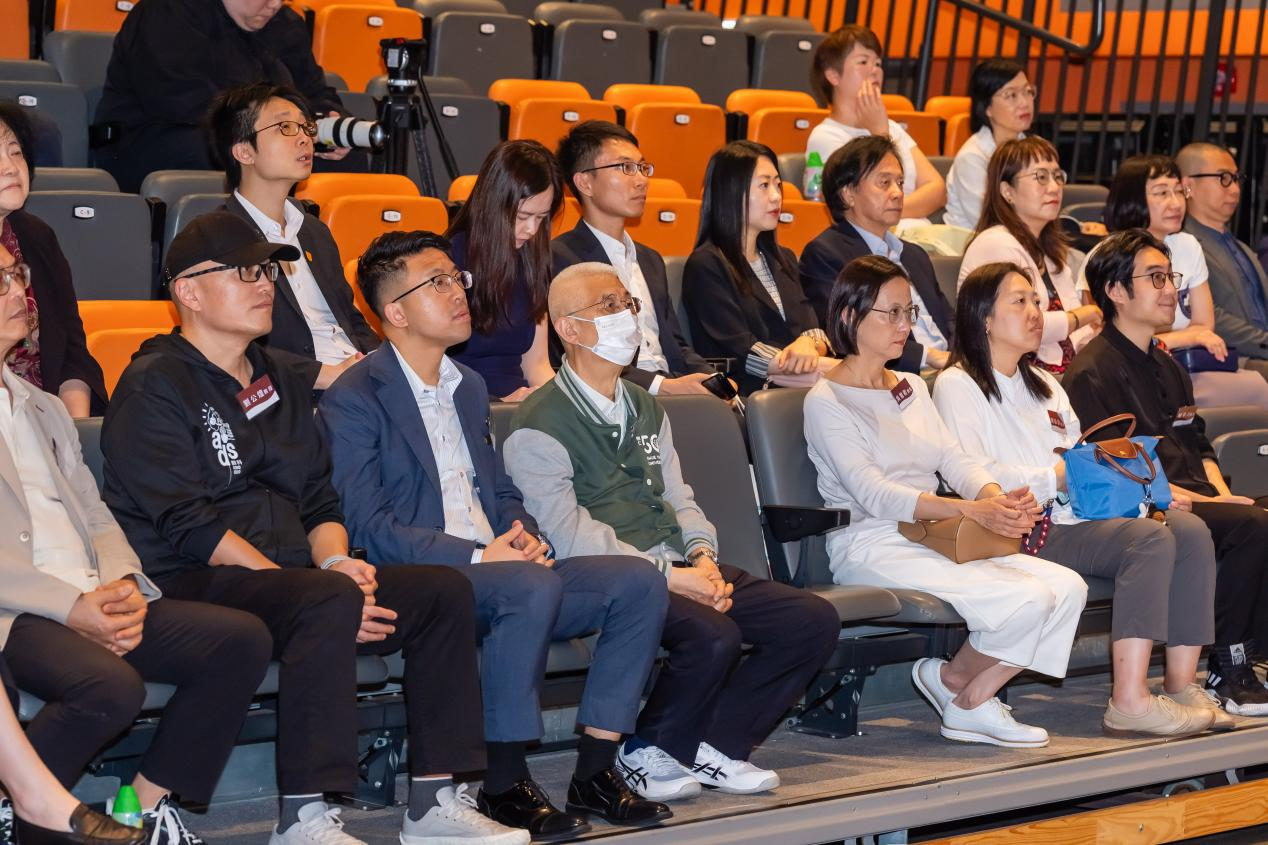
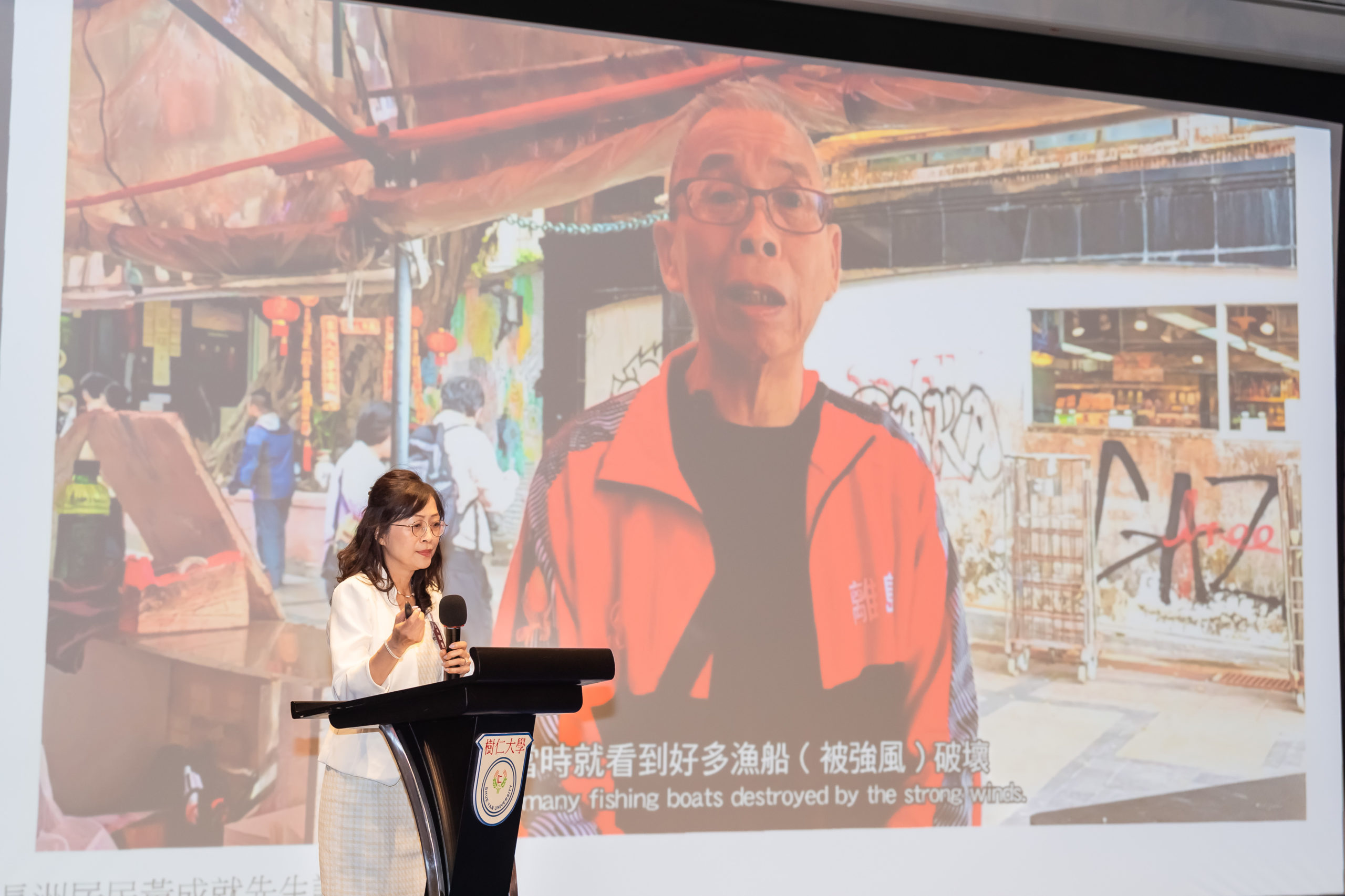
Professor Chan introduced the background of the Cheung Chau Jiao Festival at the seminar and explained the significance of using digital technology to record and promote it. She mentioned that the Cheung Chau Bun Festival originated in the 19th century when local residents held religious ceremonies to pray to the gods for the appeasement of the souls of the deceased to ward off plagues. This tradition continues to this day, aiming to pray for peace and prosperity and to provide spiritual comfort.
In 1960s Hong Kong, resources were scarce and natural disasters were frequent, which resulted in the important role of religion. The Cheung Chau Jiao Festival, a five-day, four-night annual event, was listed as a national intangible cultural heritage in 2011 and was a type of folk beliefs. Professor Chan emphasized that the Cheung Chau Jiao Festival, besides being a religious activity, also possesses secular significance, strengthening community identity through the participation of different communities and the public.
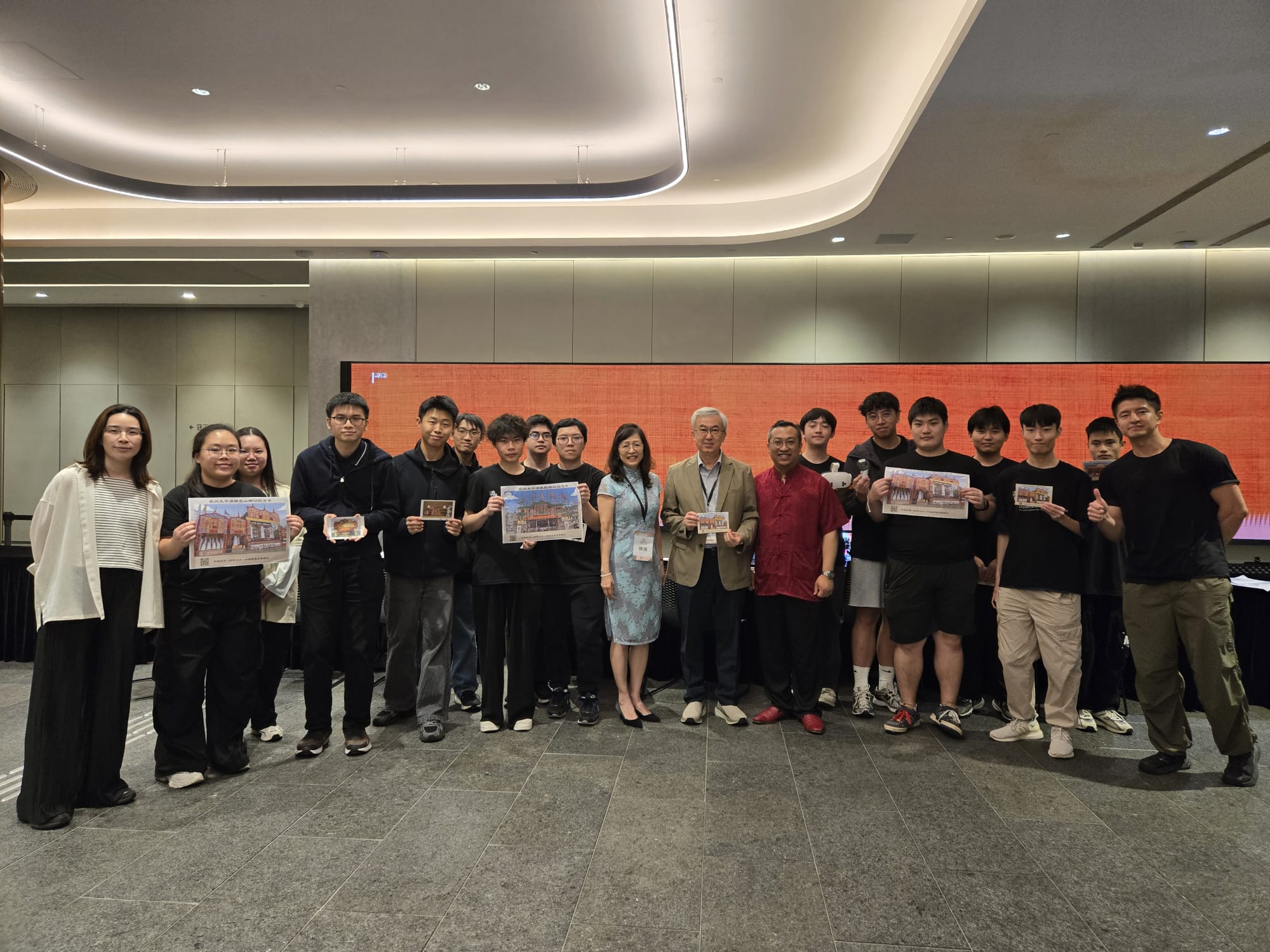
Professor Chan introduced the background and evolution of the Cheung Chau Jiao Festival, explaining its multiple meanings, such as religious and community significance. She also discussed methods for using digital technology to record and promote this intangible cultural heritage. The event also offered participants a variety of experiences, including a VR headset virtual tour experience, a desktop virtual tour experiences, a VR Cave experience, and an AR card experience.
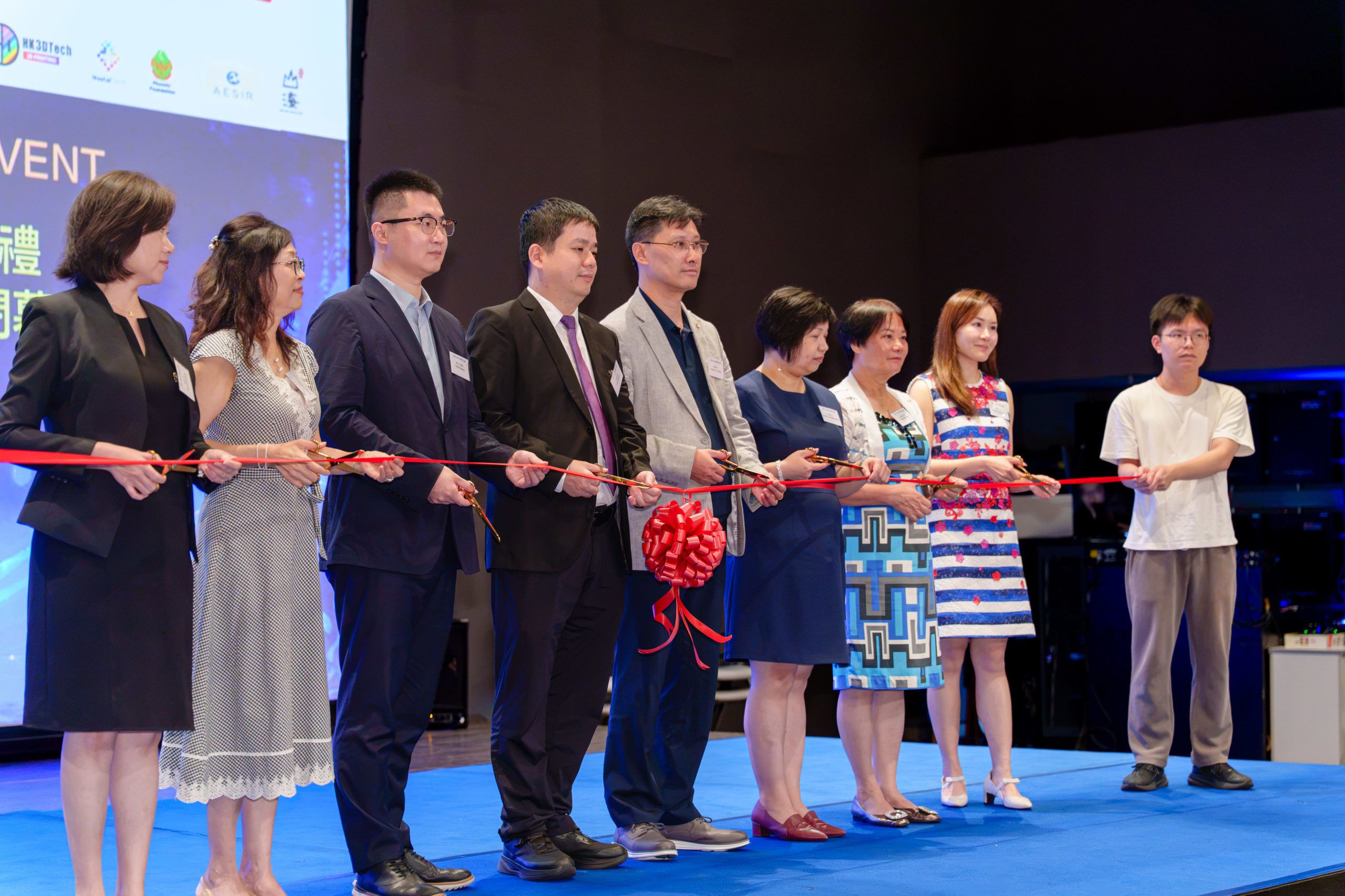
Photo: Presiding over the opening ceremony were (From left) Dr. Patrick Ke, Assistant Professor of Department of Sociology (HKSYU); Mr. Kwong Sai Loi, Chairman of the Cheung Chau Wei Hoi Luk Clansmen Association and one of the founders of the Cheung Chau Bun Festival Committee; Professor Selina Chan, Academic Vice President (HKSYU); Dr. Hu Fai-chung, President of HKSYU; Ms. Ng Suet Kwan, Head of the Intangible Cultural Heritage Office; Dr. Chow Tak-sang, Vice President (University Administration) (HKSYU); Professor Lau Kung Wong, Head of Department of Data Science and Digital Innovation (HKSYU); and Dr. Cai Shengdan, Assistant Professor of Department of Sociology (HKSYU).
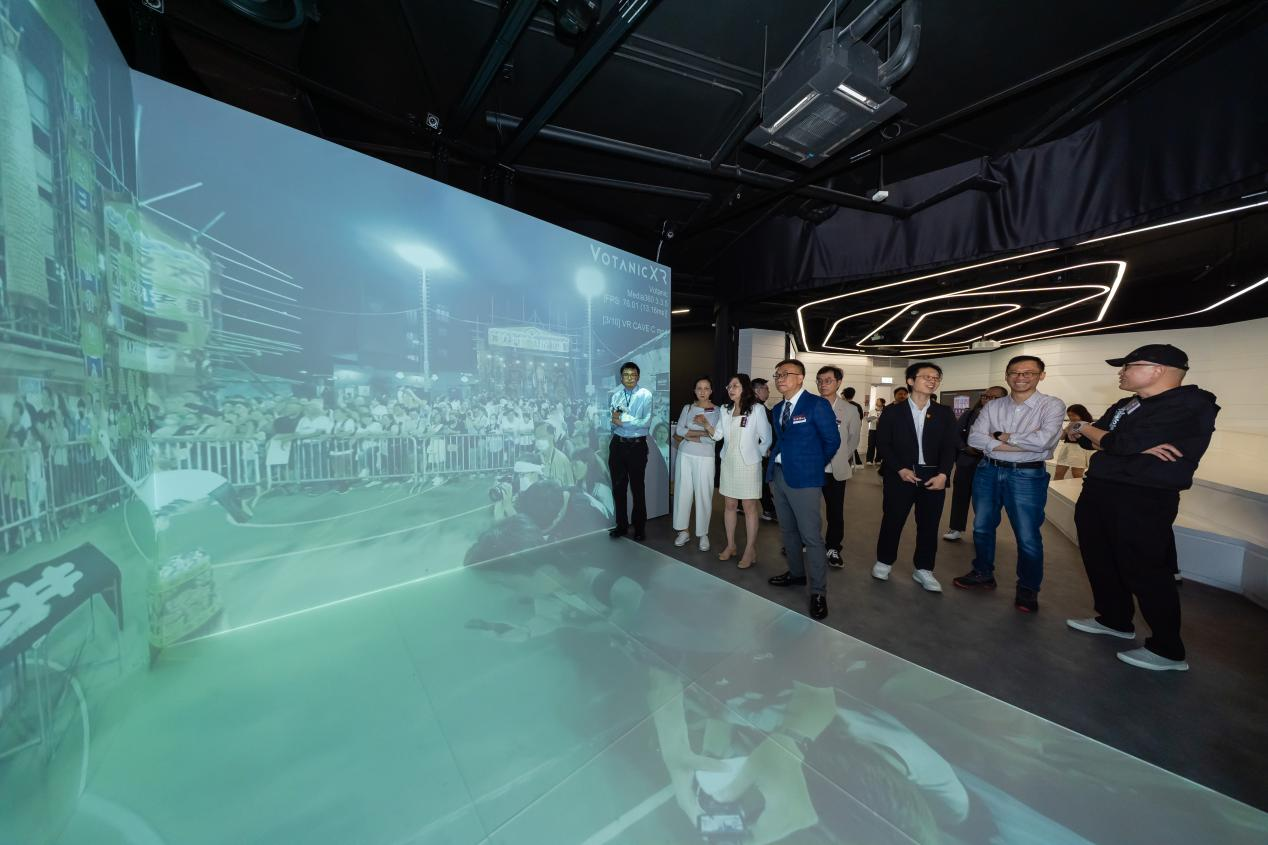
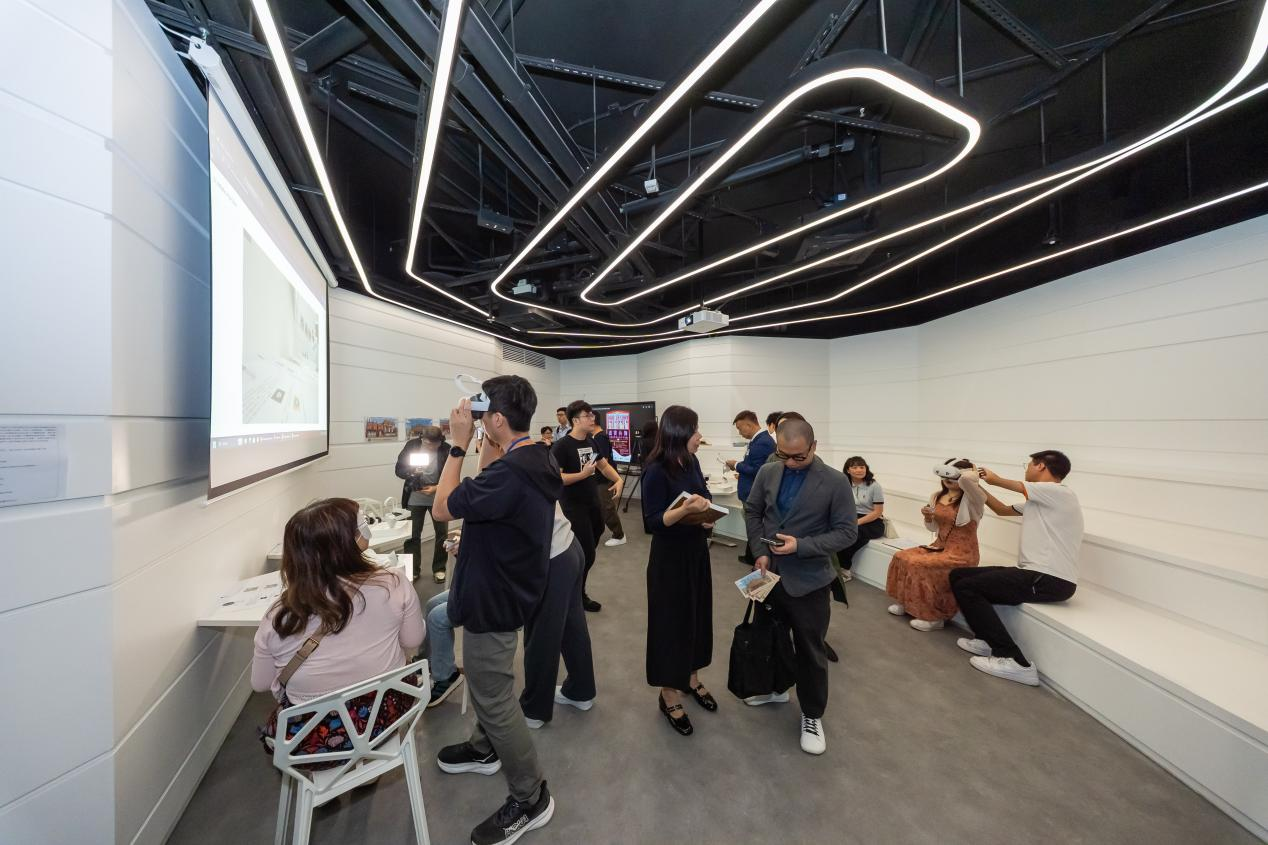
After the seminar, the research team held a mixed-reality guided tour. Participants either went to the VR Cave on campus or wore VR headsets to immerse themselves in the Cheung Chau Jiao Festival and learn about the main daytime and nighttime rituals and activities.
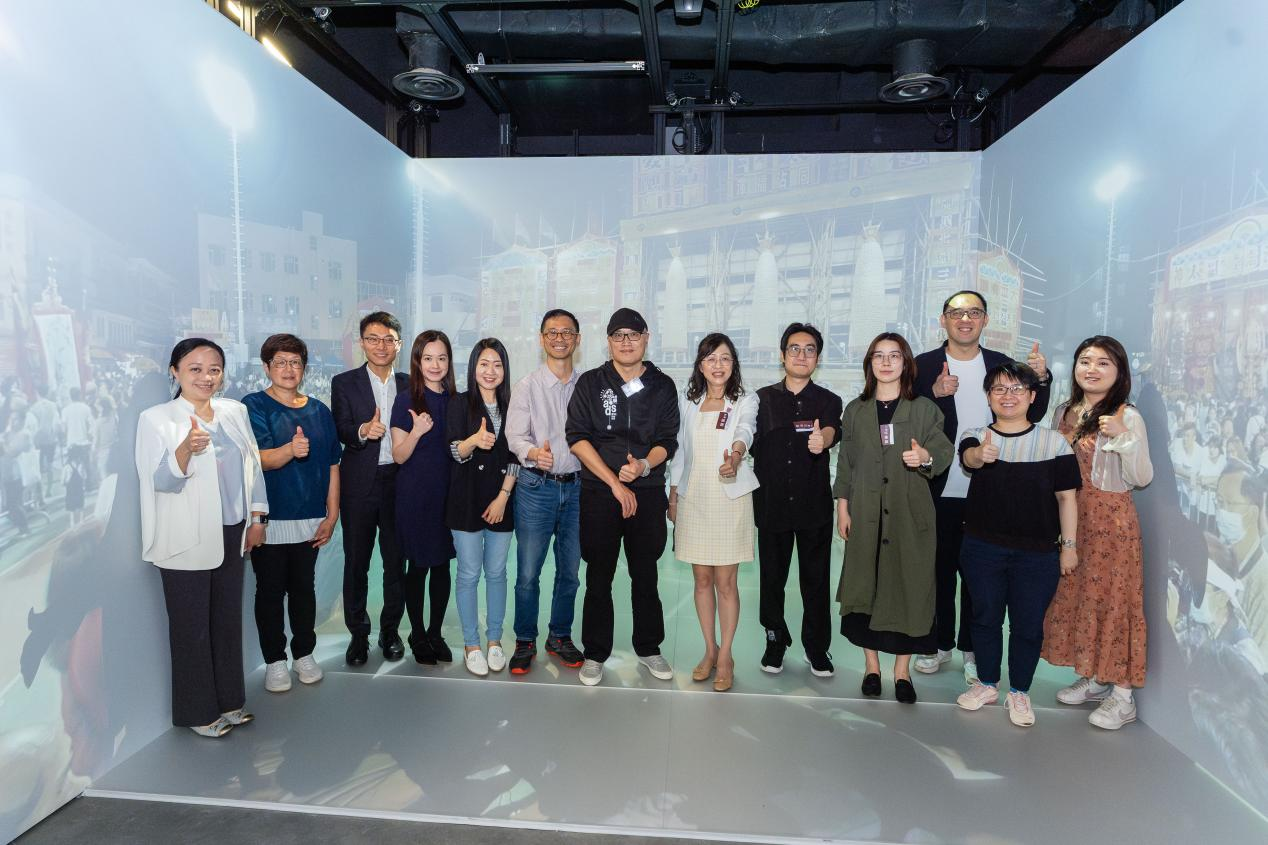
In VR Cave, participants could experience the festive atmosphere in a 270-degree immersive virtual environment, attracting them to take photos and follow the project’s Instagram account to jointly promote the traditional culture of the Cheung Chau Jiao Festival.
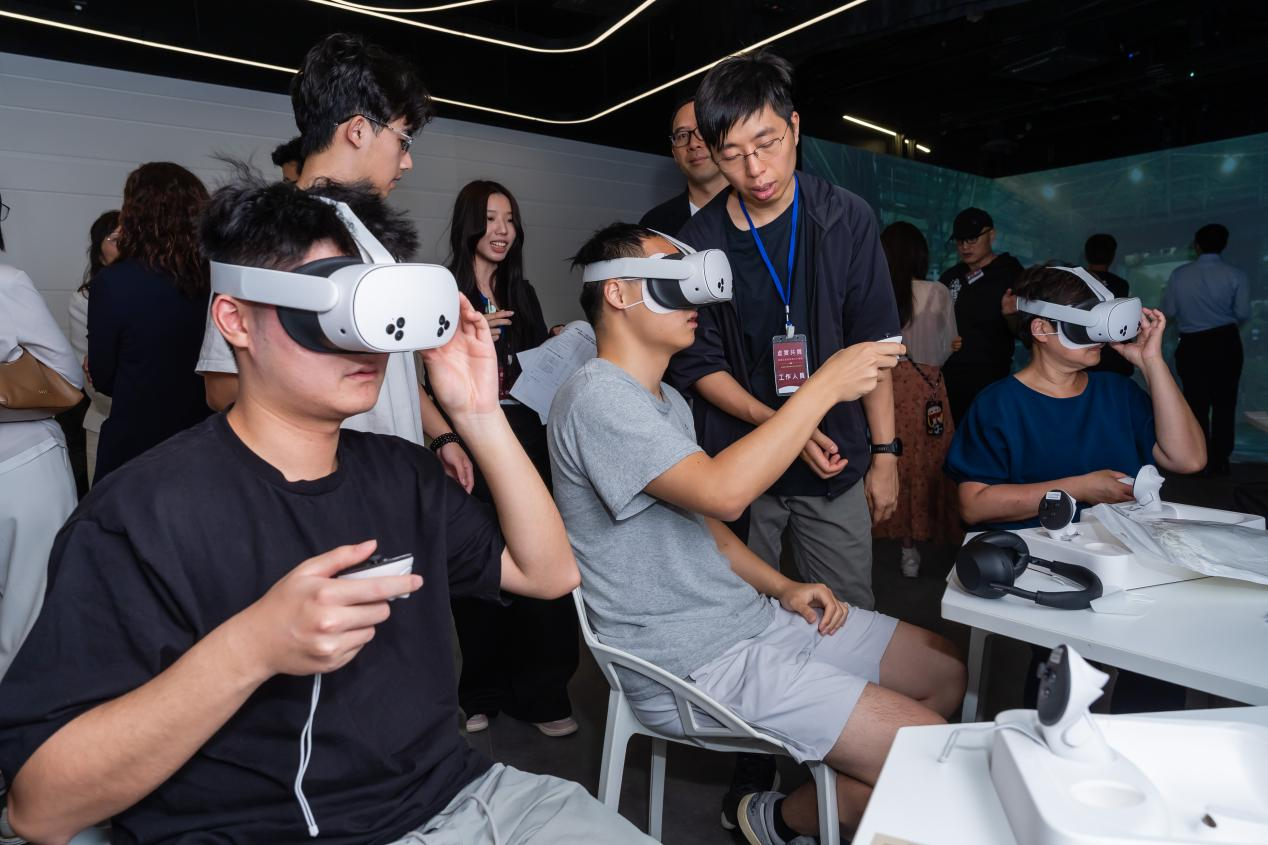
Staff introduced the usage methods and precautions to participants, enabling them to freely explore the “FestiVerse: Cheung Chau Jiao MR” using VR headsets.
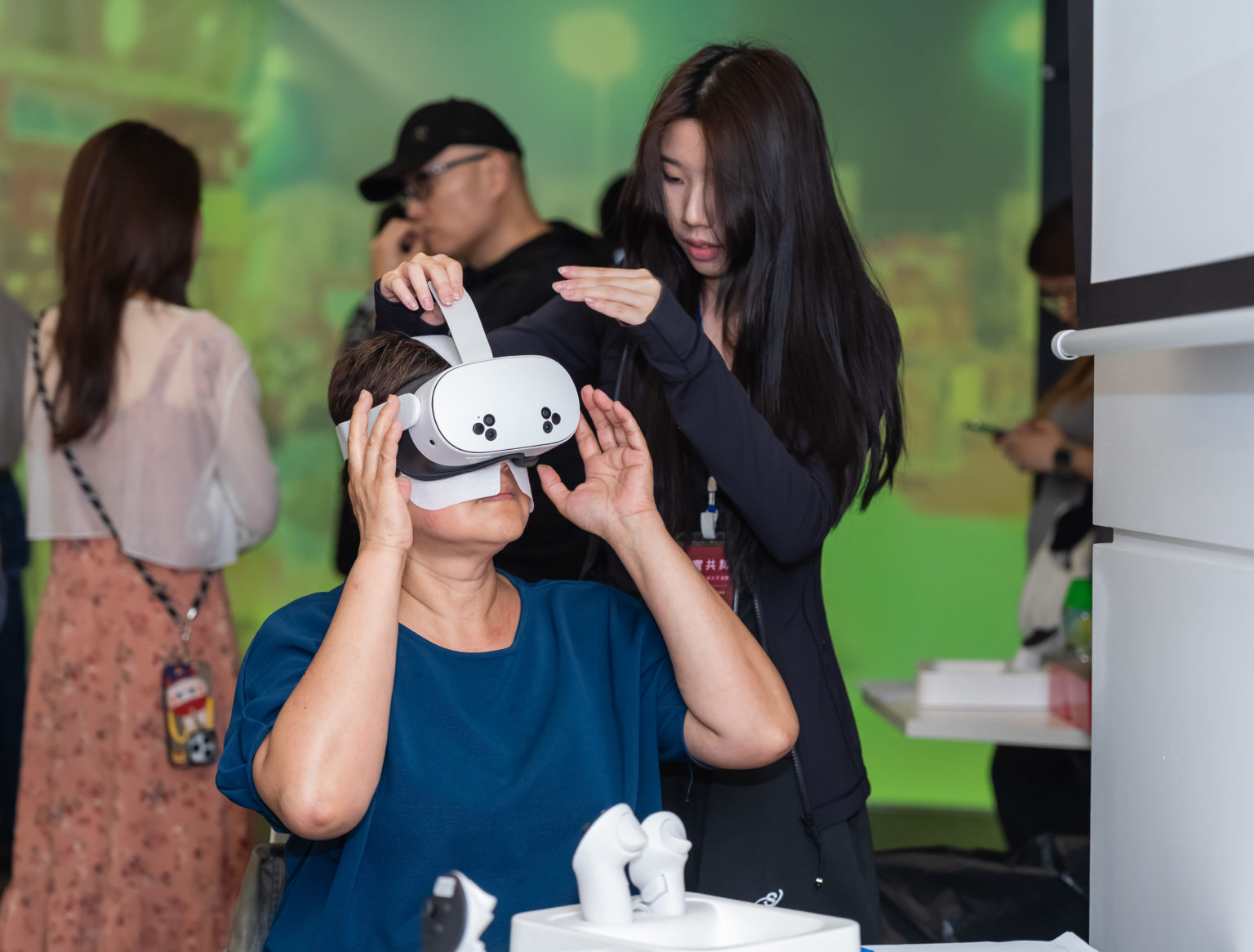
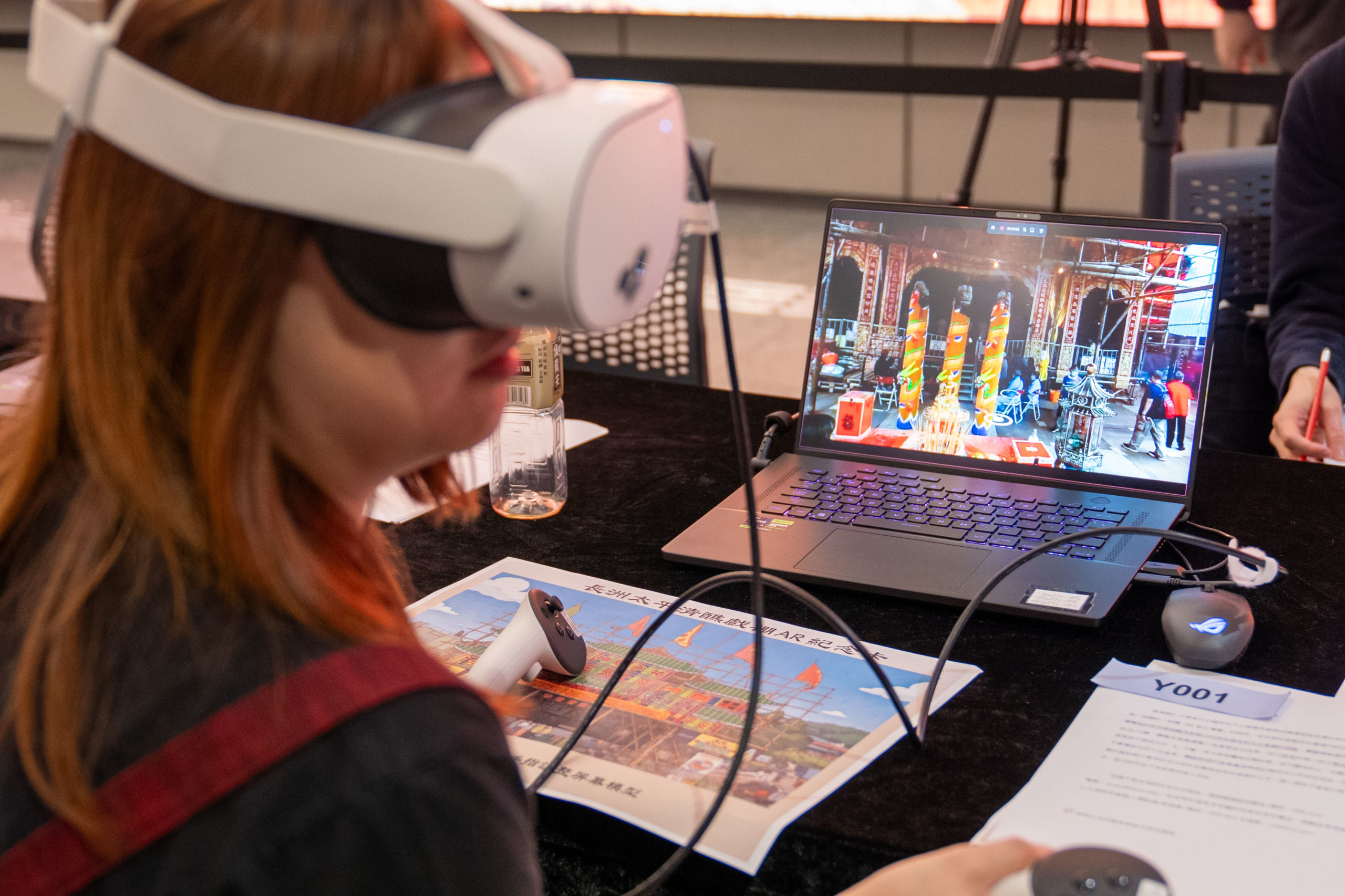
During the VR headset experience, staff assisted participants in wearing the equipment, allowing them to immerse themselves in the grand occasion of the Cheung Chau Jiao Festival.
The event also provided participants with the choice to experience “FestiVerse: Cheung Chau Jiao MR” on desktop, allowing them to travel through time to the 2025 Jiao Festival and explore the details and charm of traditional culture.
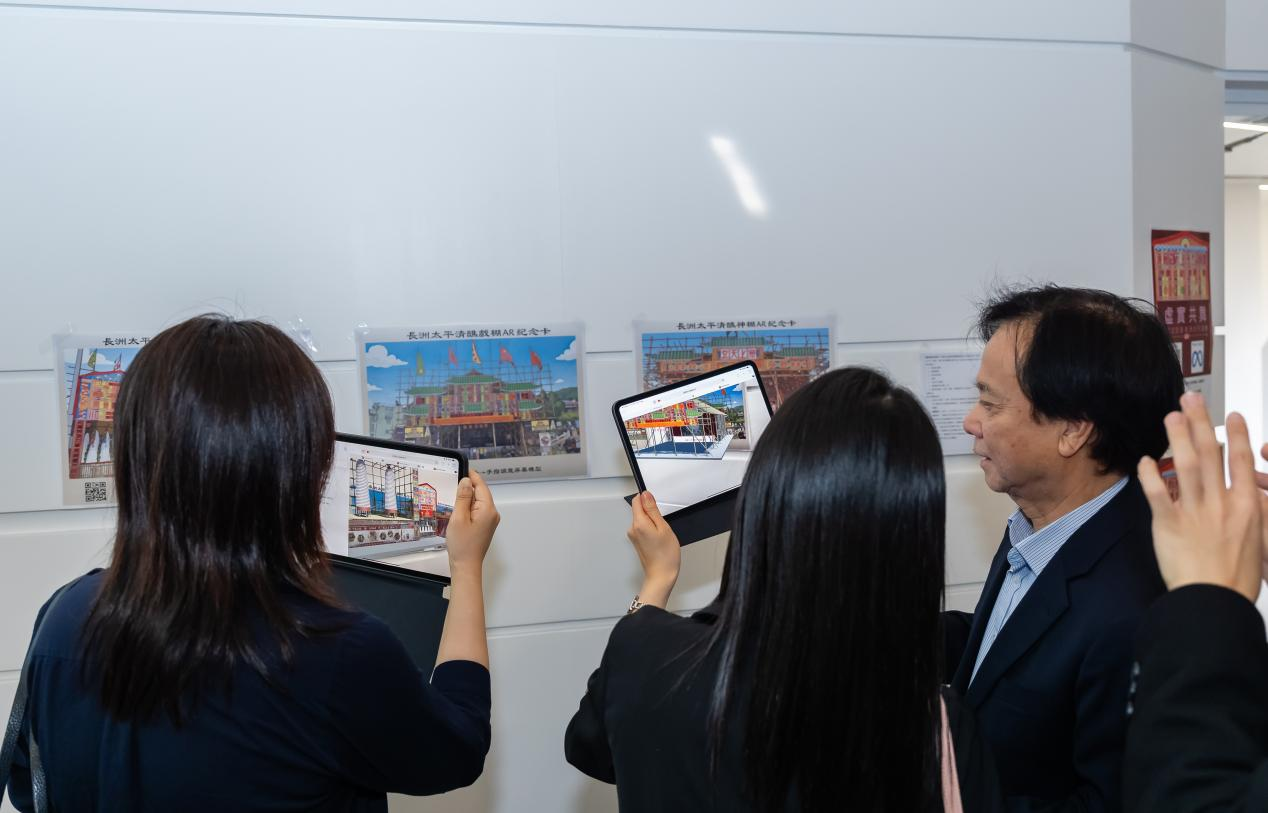
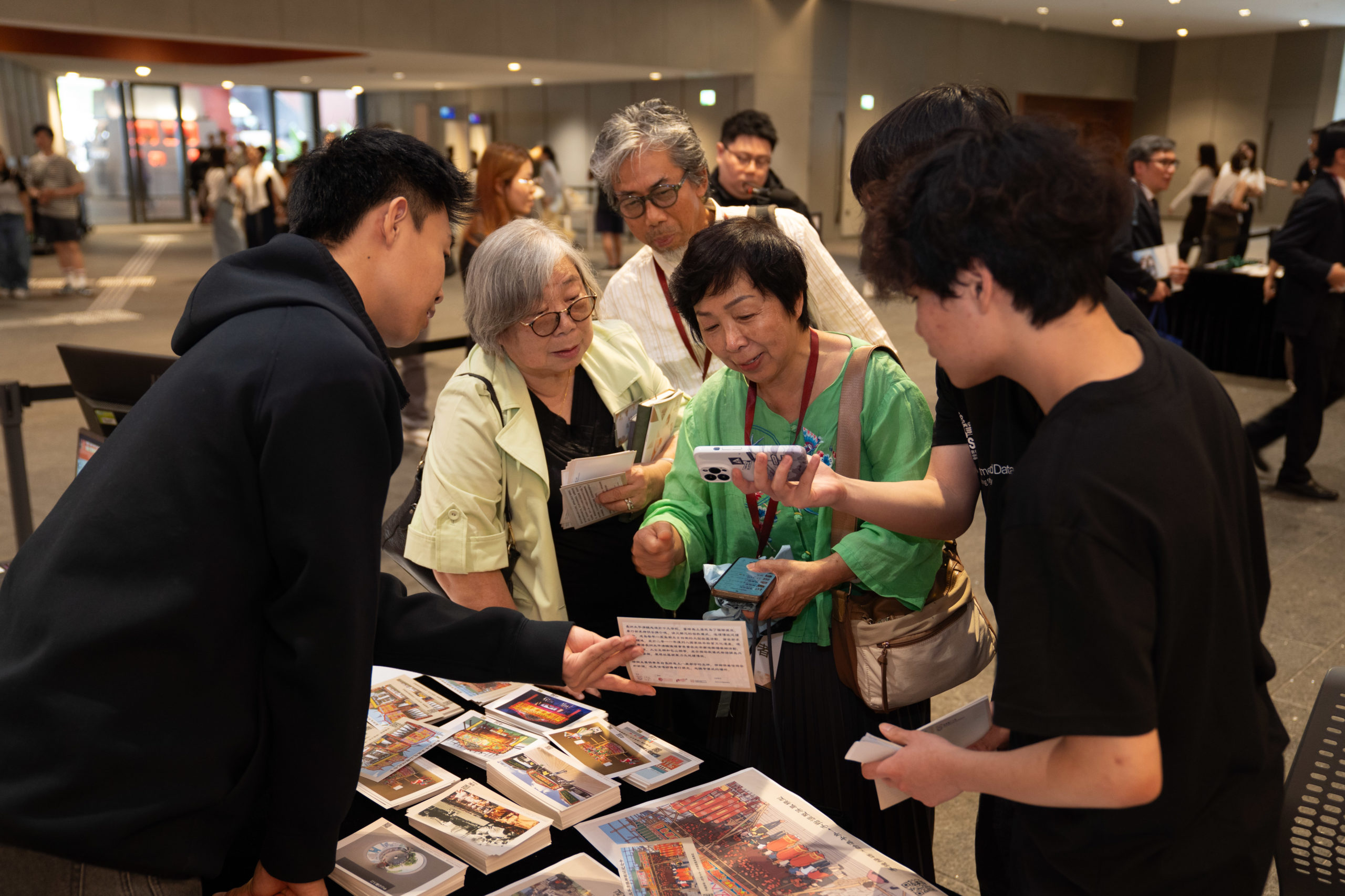
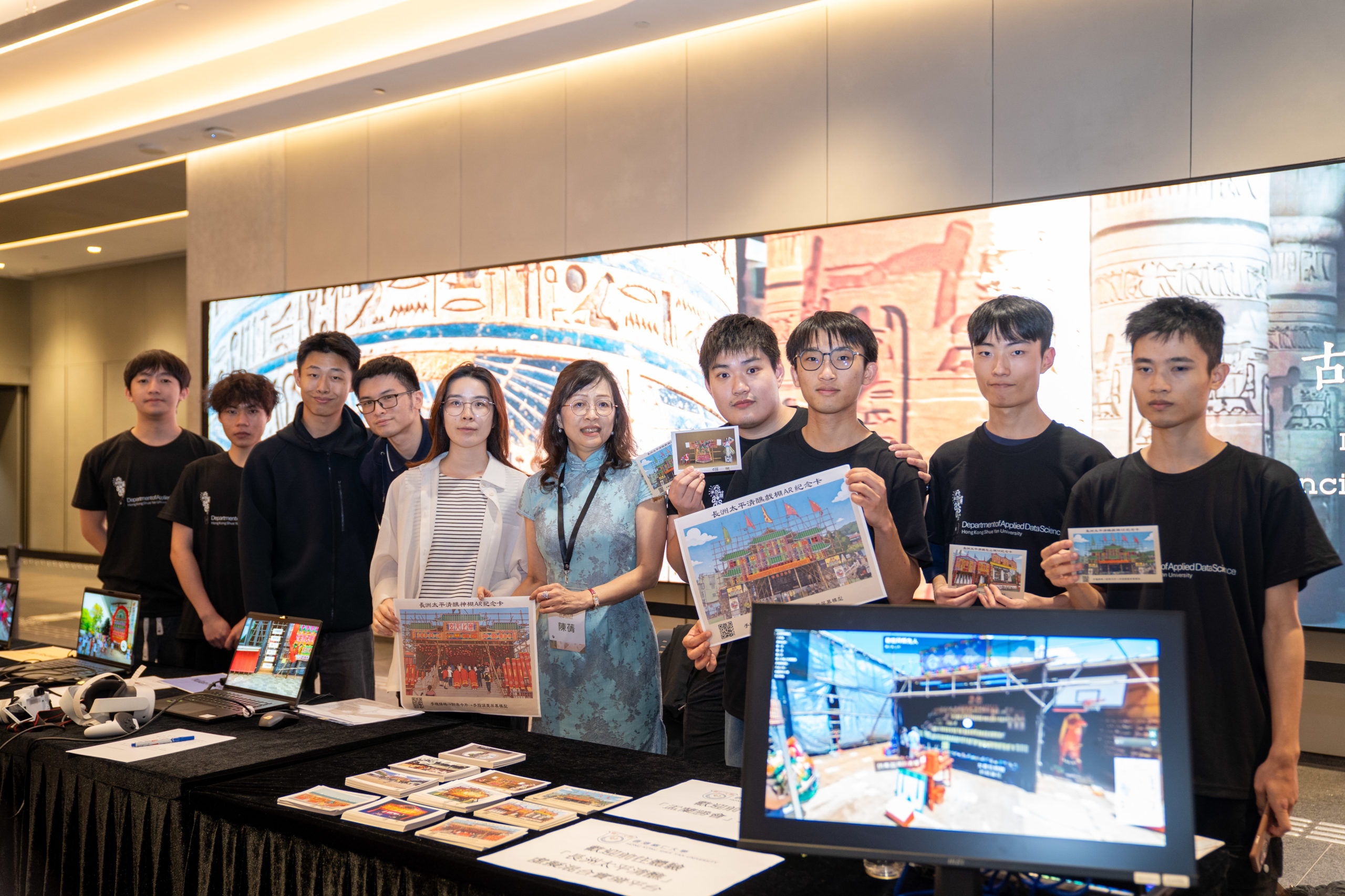
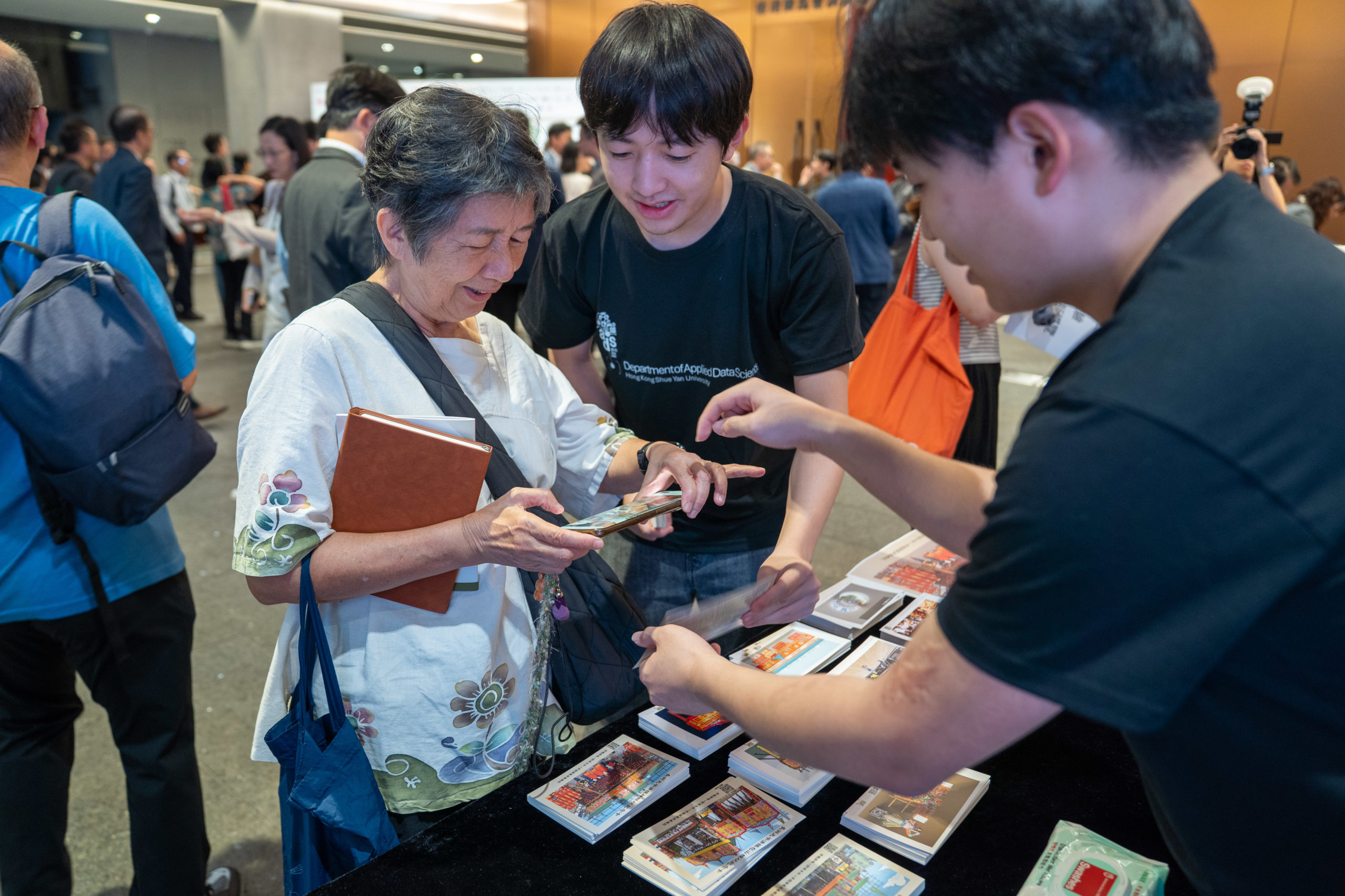
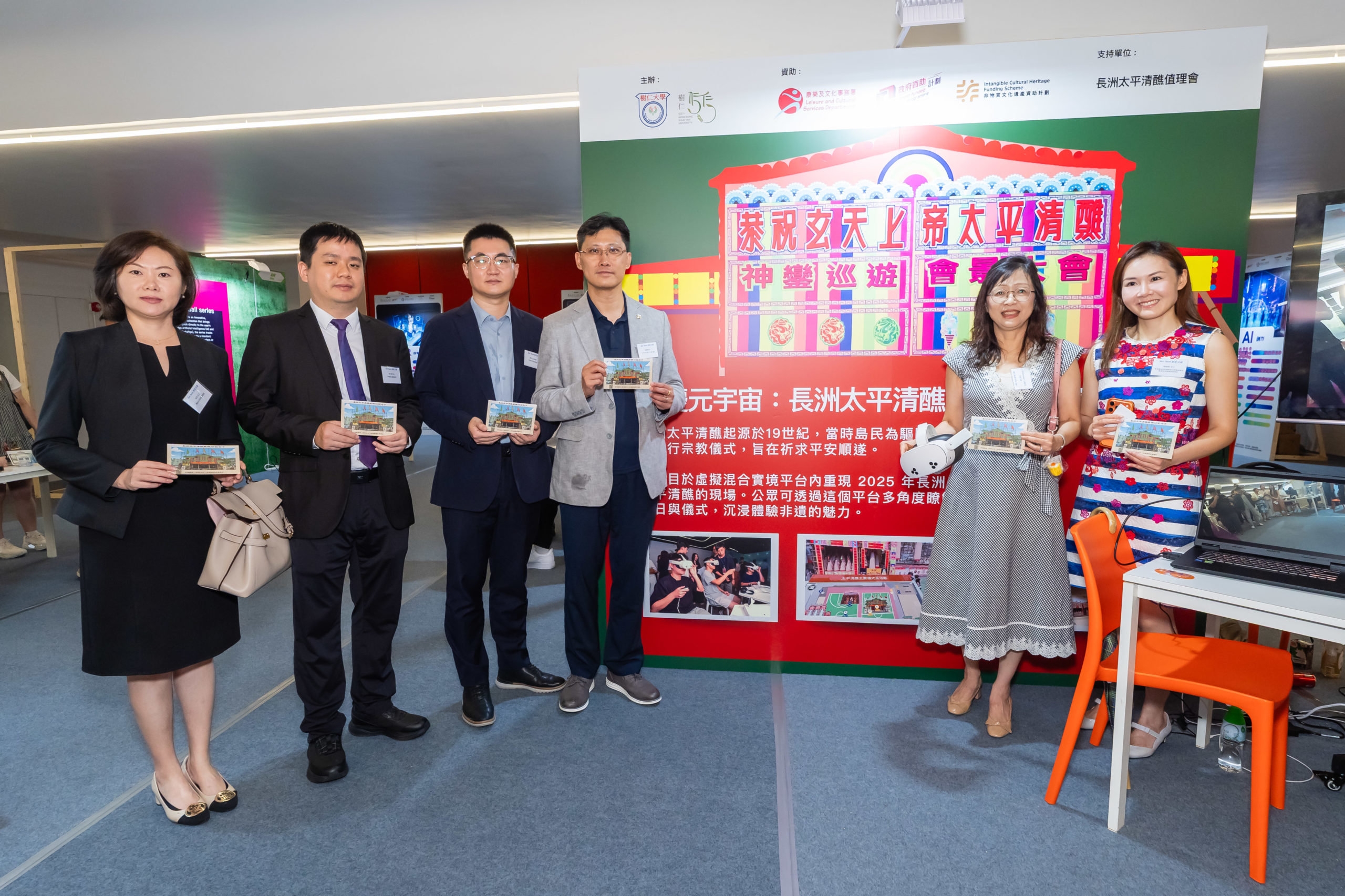
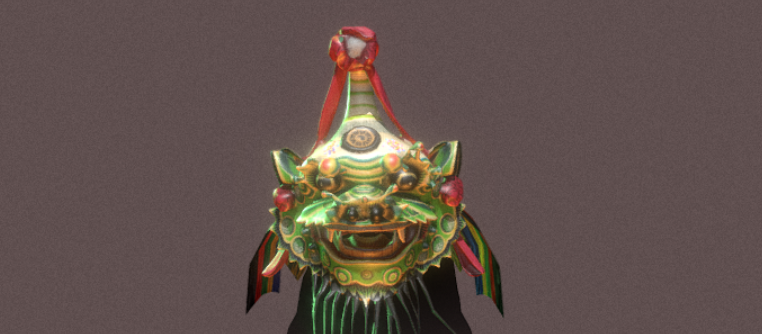
After participants scanned the QR code on the souvenir card with their mobile phones or tablets and pointed it at the photo, a 3D model related to the Jiao Festival would appear vividly before their eyes.
After the introduction, participants had free time to explore the details and vitality of traditional culture, and could freely choose different equipment to experience the Cheung Chau Jiao Festival, with staff explaining more details and information.
Jiao FestiVerse: Agora × Museum
Jiao FestiVerse: Agora × Museum
The Cheung Chau Jiao Festival Virtual Reality Platform recreates the festive scenes of the 2025 Cheung Chau Jiao Festival through 3D modeling technology, allowing the public to explore key locations such as the Pak Tai Temple Playground, the temporary opera shed, and the Pak Tai Temple itself within a virtual space.
Stepping into the Agora × Museum feels like being transported directly to the heart of the Jiao Festival. Your guide, a Little Hoi Luk Fung Unicorn, will lead you through the entire agora. Inside, there are ten interactive booths in total, including a Cantonese Opera Experience Booth, a Tossing the Moon Blocks Experience Booth, a 360° Immersive Video Experience Booth, and seven additional booths dedicated to in-depth presentations on various aspects of the Cheung Chau Jiao Festival.
The Opera Shed Booth allows you to personally feel the grandeur of the operas performed during the festival. The Tossing the Moon Blocks Experience Booth invites you to try this most distinctive traditional practice of the Jiao Festival, which is to divine the will of the deities through moon blocks. The 360° Experience Booth features two immersive 360-degree videos displayed on a showcase wall, taking you through the Jiao Festival from day to night, offering a vivid, on-site experience of the celebration from dawn till dusk. The other seven display walls are arranged at the center of the Pak Tai Temple Playground, presenting a rich cultural tapestry through photographs, interviews, and location videos, giving the public a detailed understanding of the culture and traditions of the Jiao Festival.
To facilitate public access, the research team offers two versions: a Windows PC version and a VR headset version, so that everyone can freely choose their preferred platform and immerse themselves in the cultural charm of this intangible cultural heritage festival.
HKSYU Showcases Innovation in Intangible Cultural Heritage Seminar
HKSYU Showcases Innovation in Intangible Cultural Heritage Seminar
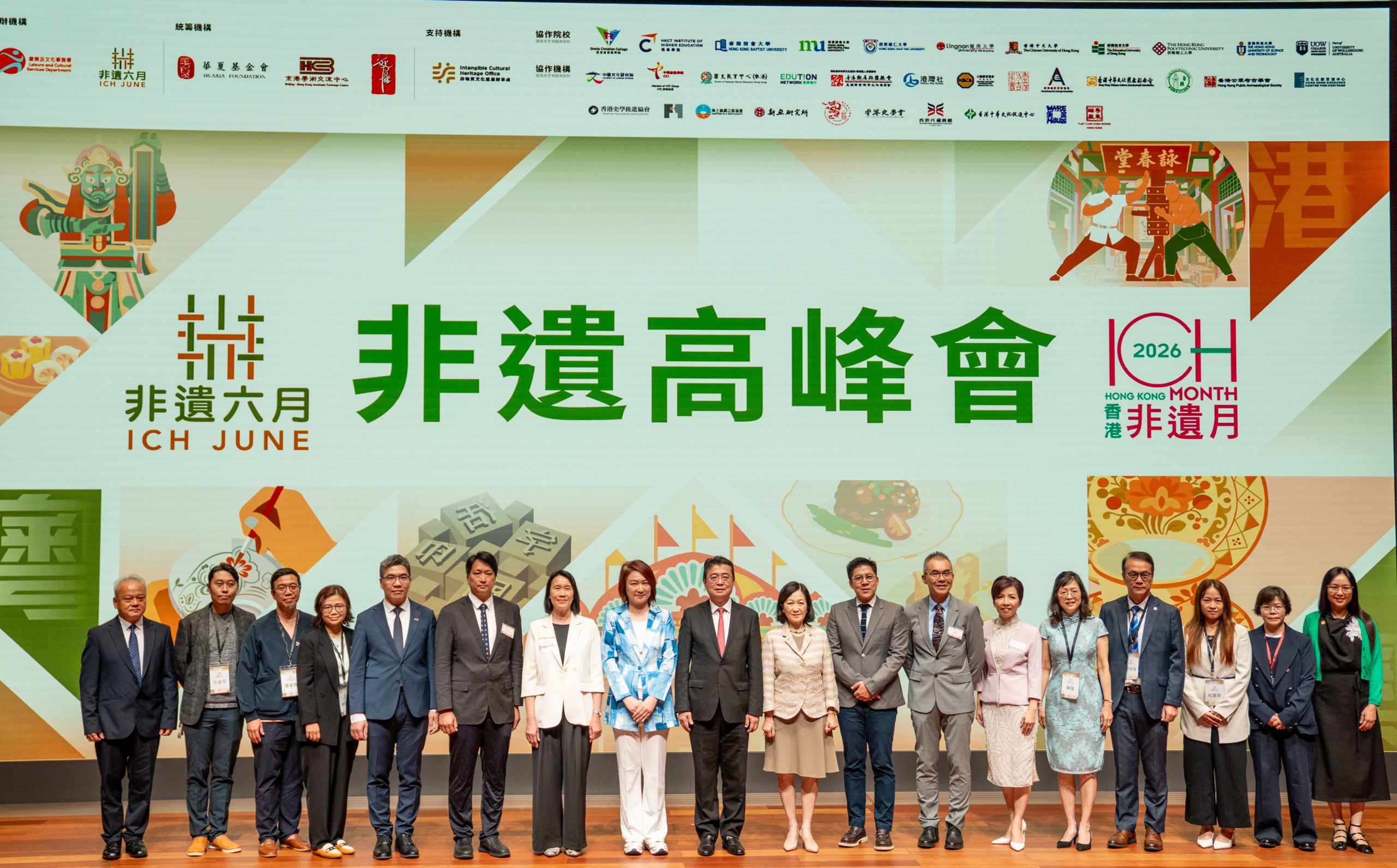
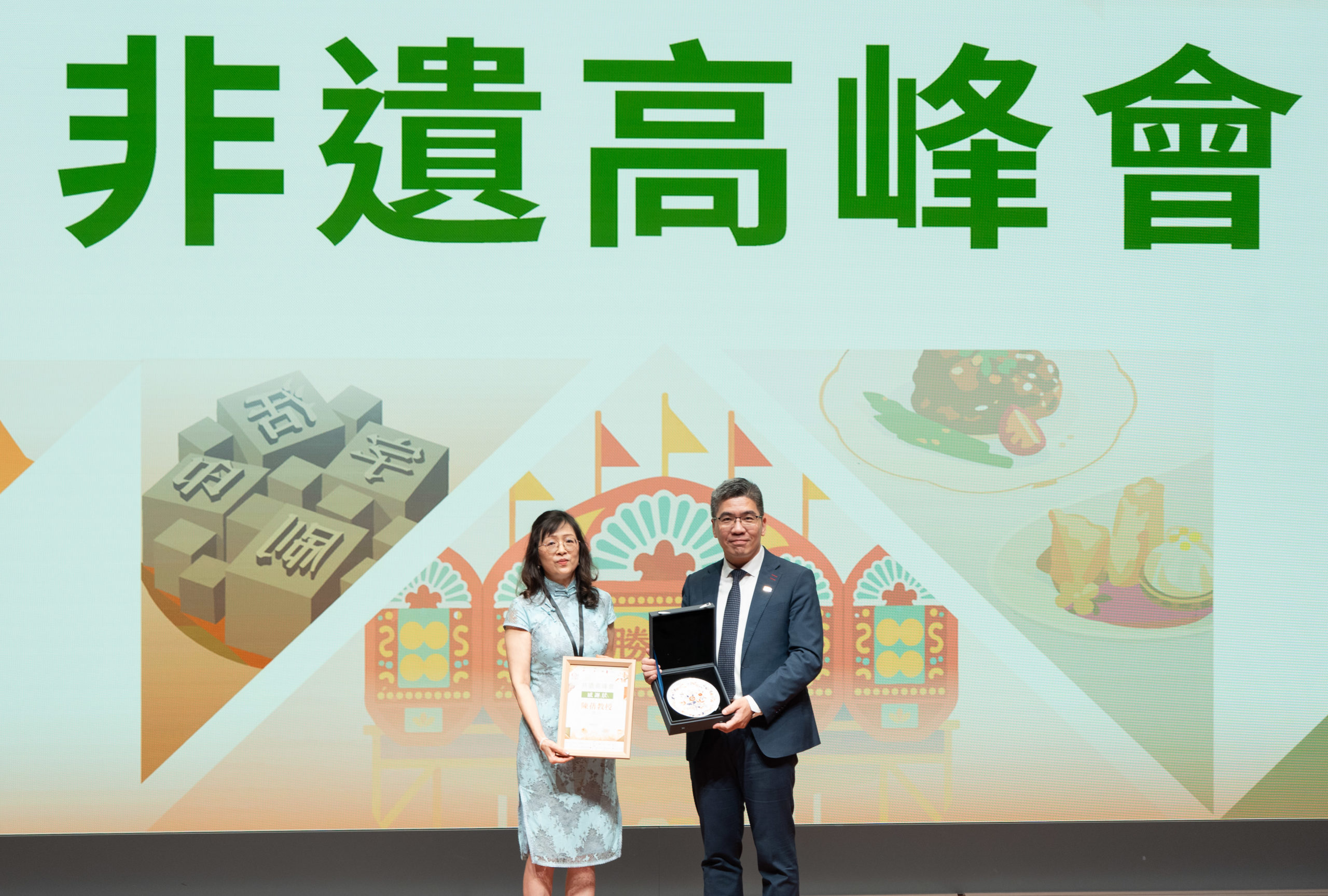
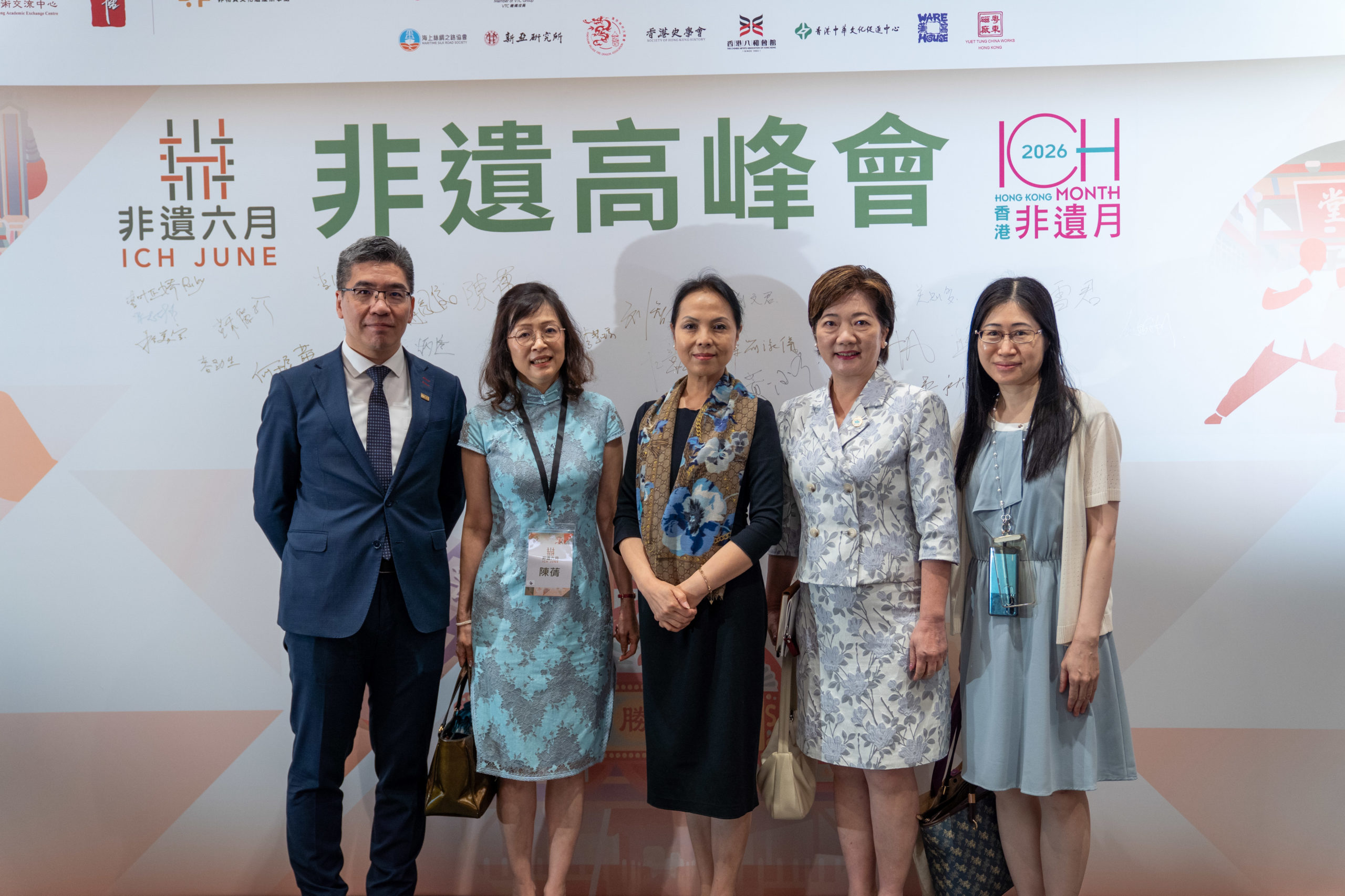
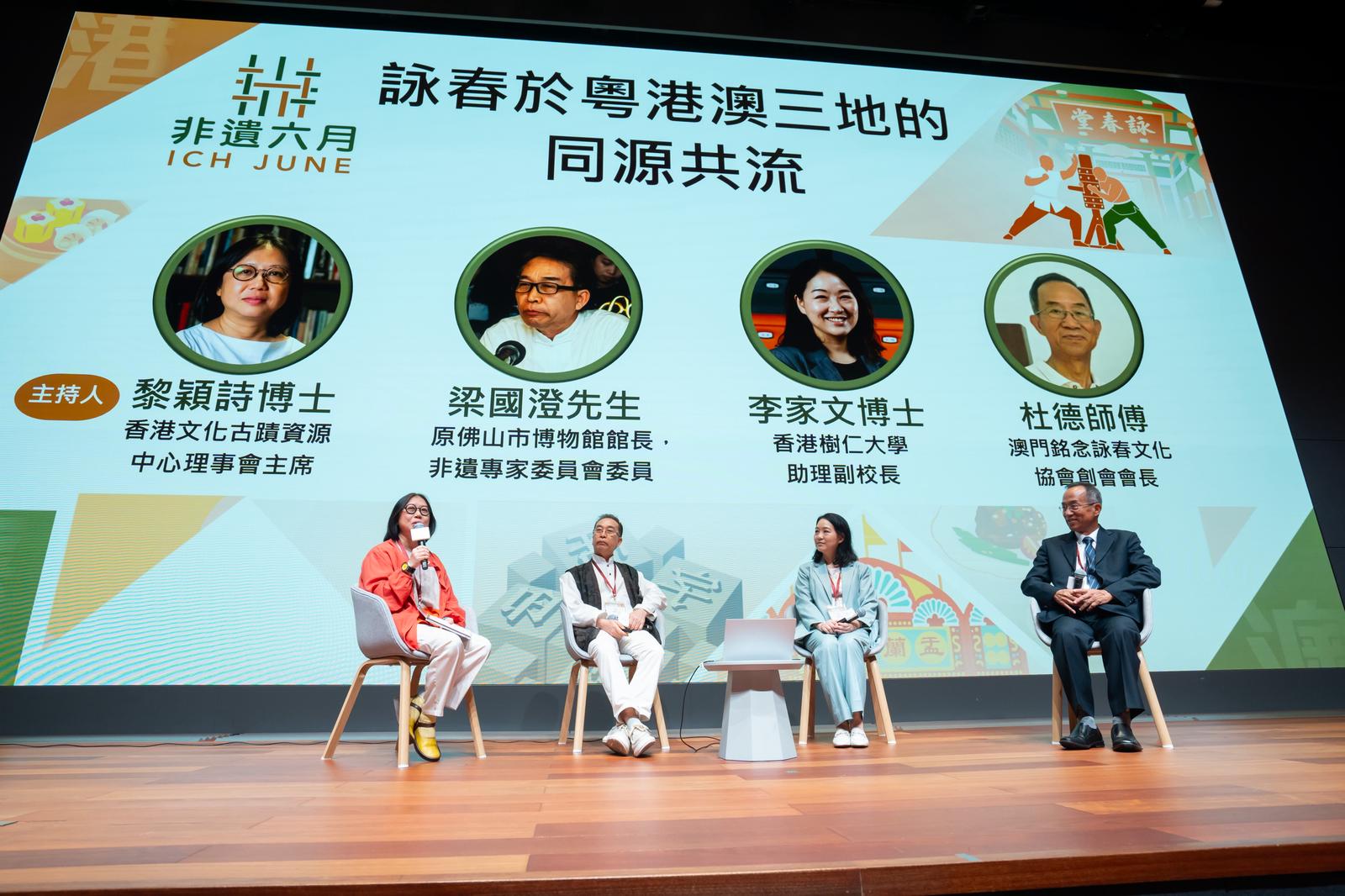
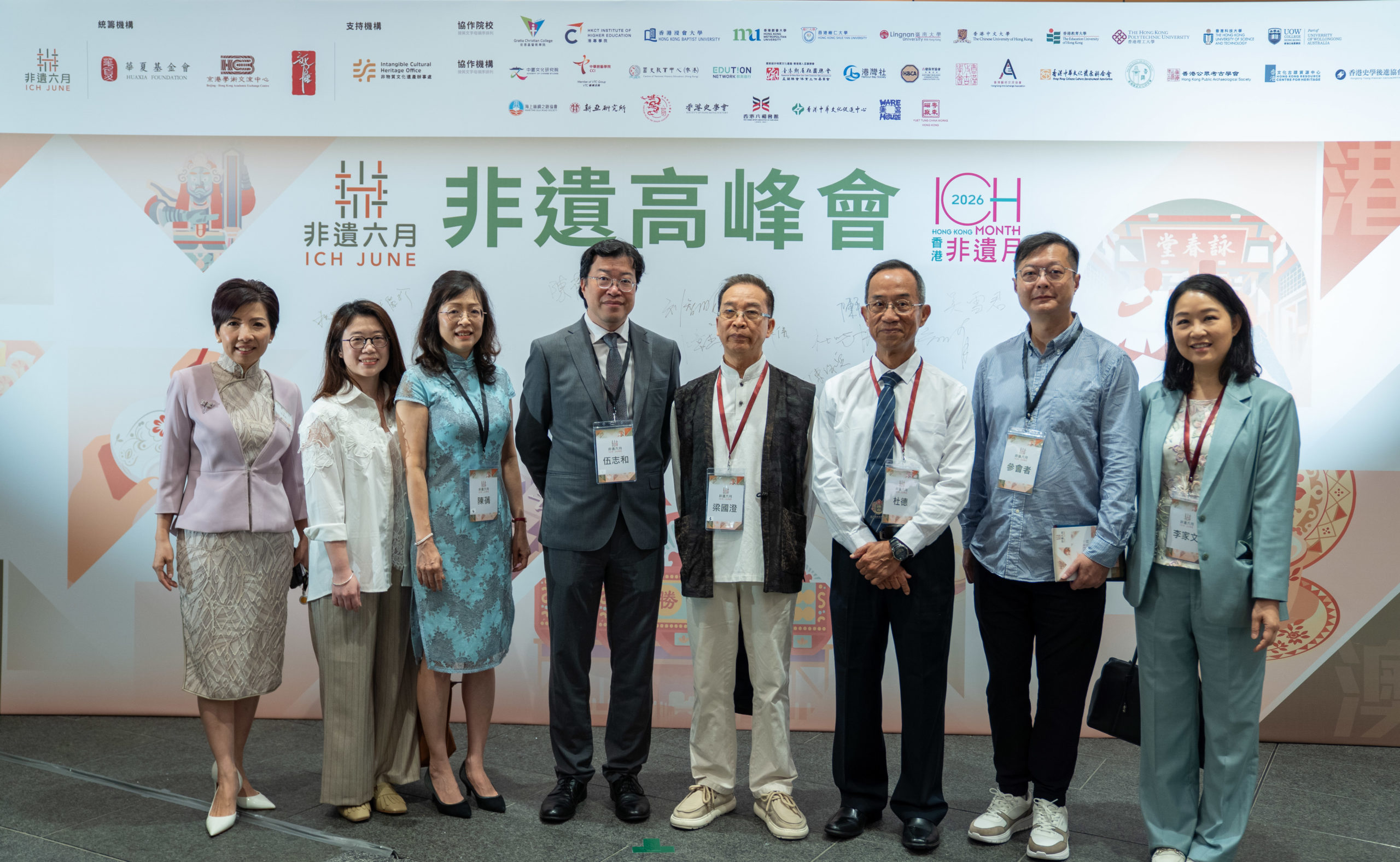
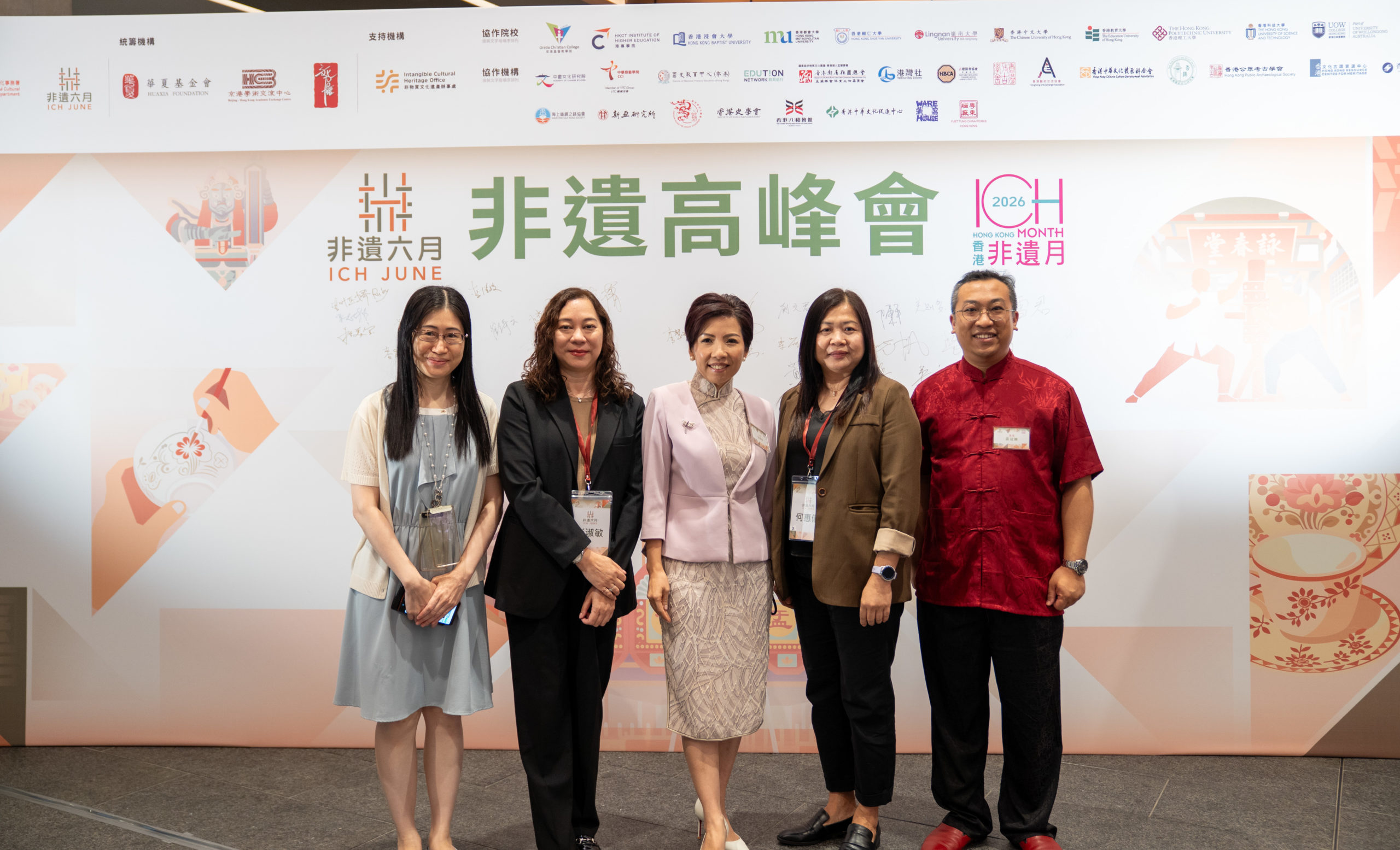
The Leisure and Cultural Services Department (LCSD), in collaboration with cultural promotion organisation “ICH June”, hosted the “Intangible Cultural Heritage Seminar” on 15 June 2026 at the Hong Kong Palace Museum. Hong Kong Shue Yan University (HKSYU) participated as a collaborating institution, with scholars including Professor Chan Ching, Academic Vice President; Dr Lee Ka-man, Assistant Vice President; alumni; and students, joined by guests from the political and academic sectors.
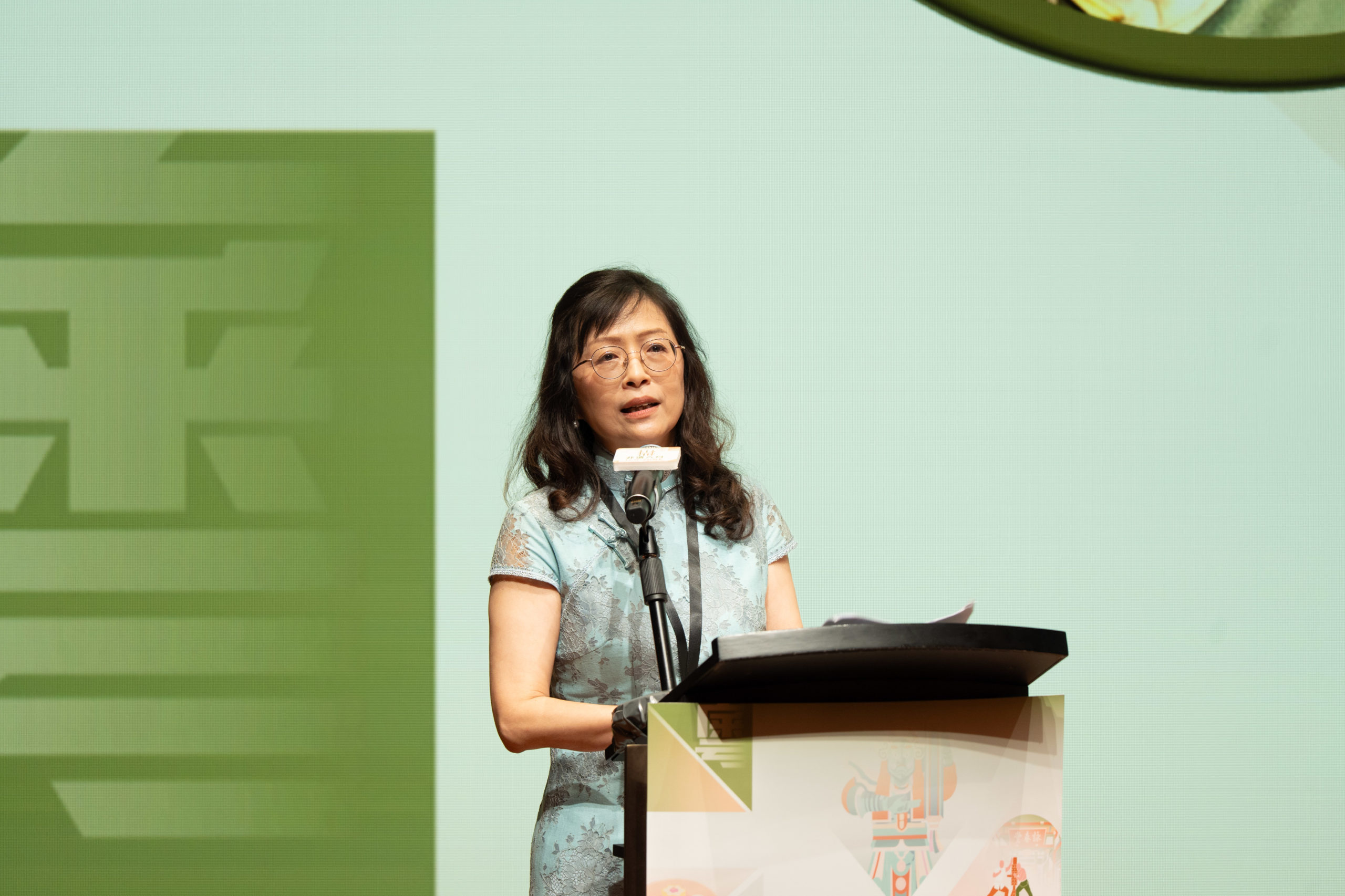
Professor Chan Ching moderated the keynote session and concluded by emphasising the importance of interdisciplinary collaboration and inheritance in intangible cultural heritage (ICH) work. She highlighted that “people” are crucial to ICH research, particularly on an emotional level, and called for greater attention to individual emotions when documenting ICH.
At the venue, the public also experienced mixed reality (MR) and virtual reality (VR) guided tours developed by HKSYU, offering an immersive experience of the Cheung Chau Jiao Festival and the Chiu Chow Yu Lan Festival. Participants praised the engaging content, noting that the guided tours deepened their understanding of ICH.
Celebrating Local Culture Through Art Tech
Celebrating Local Culture Through Art Tech
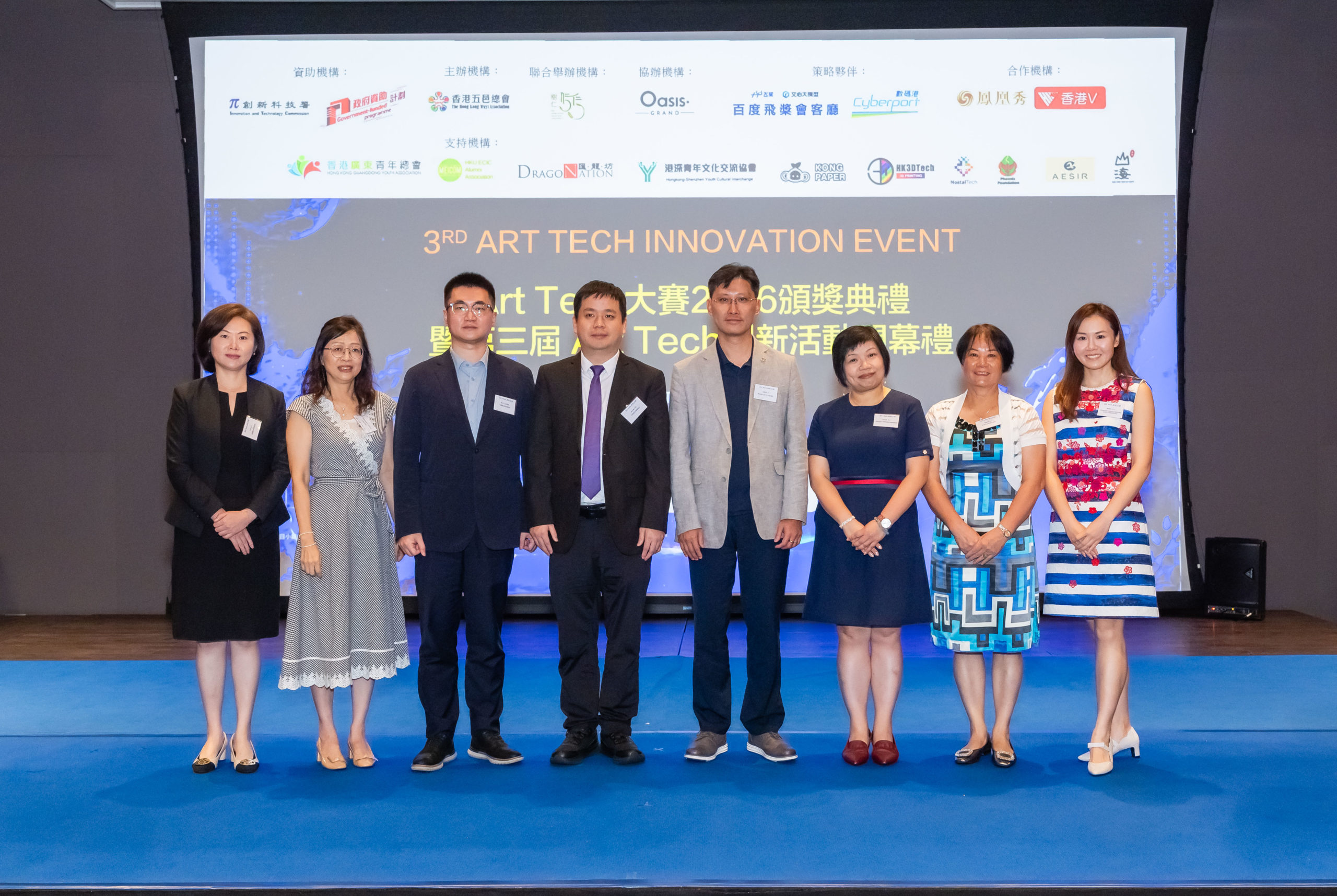
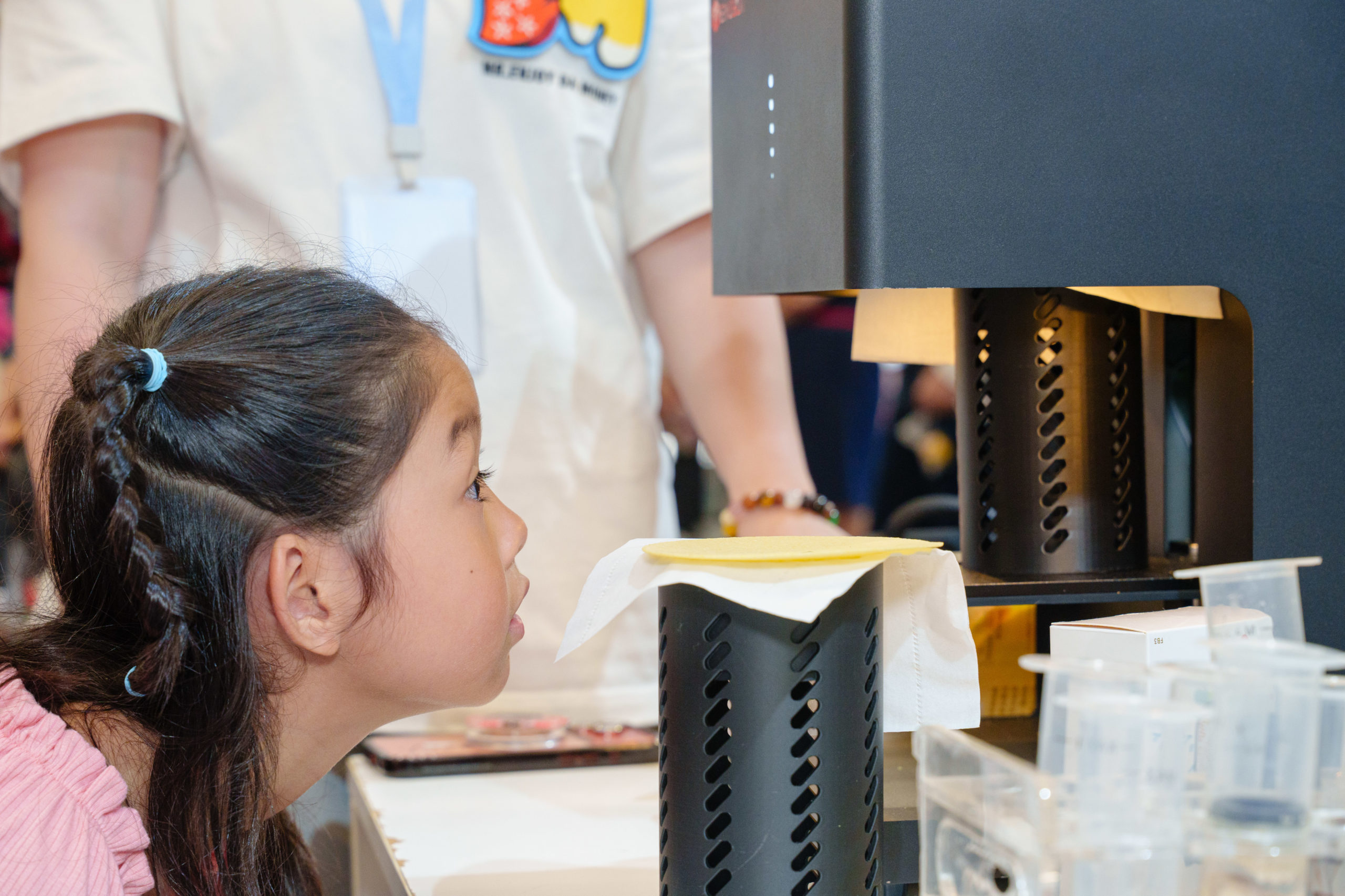
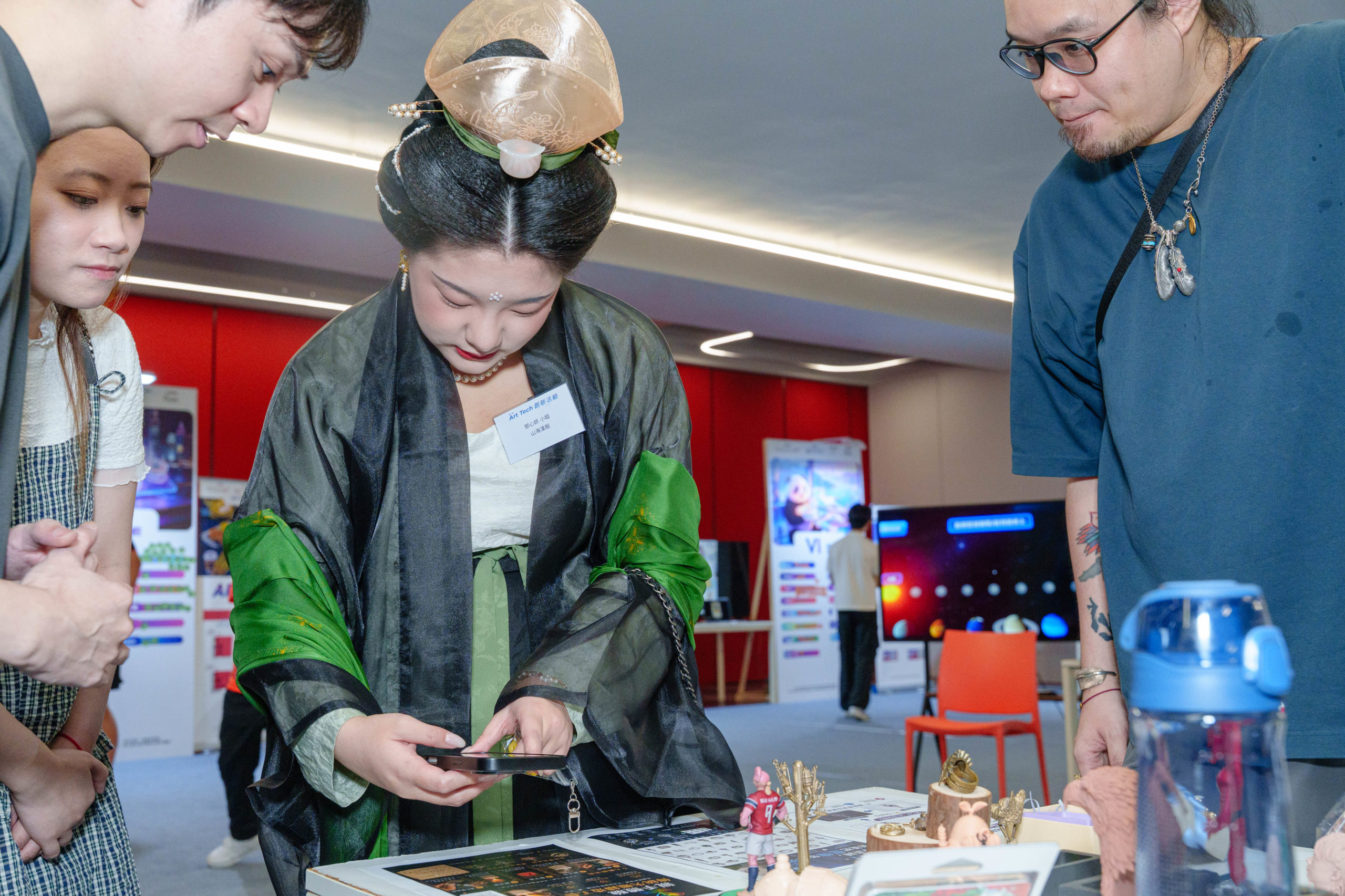
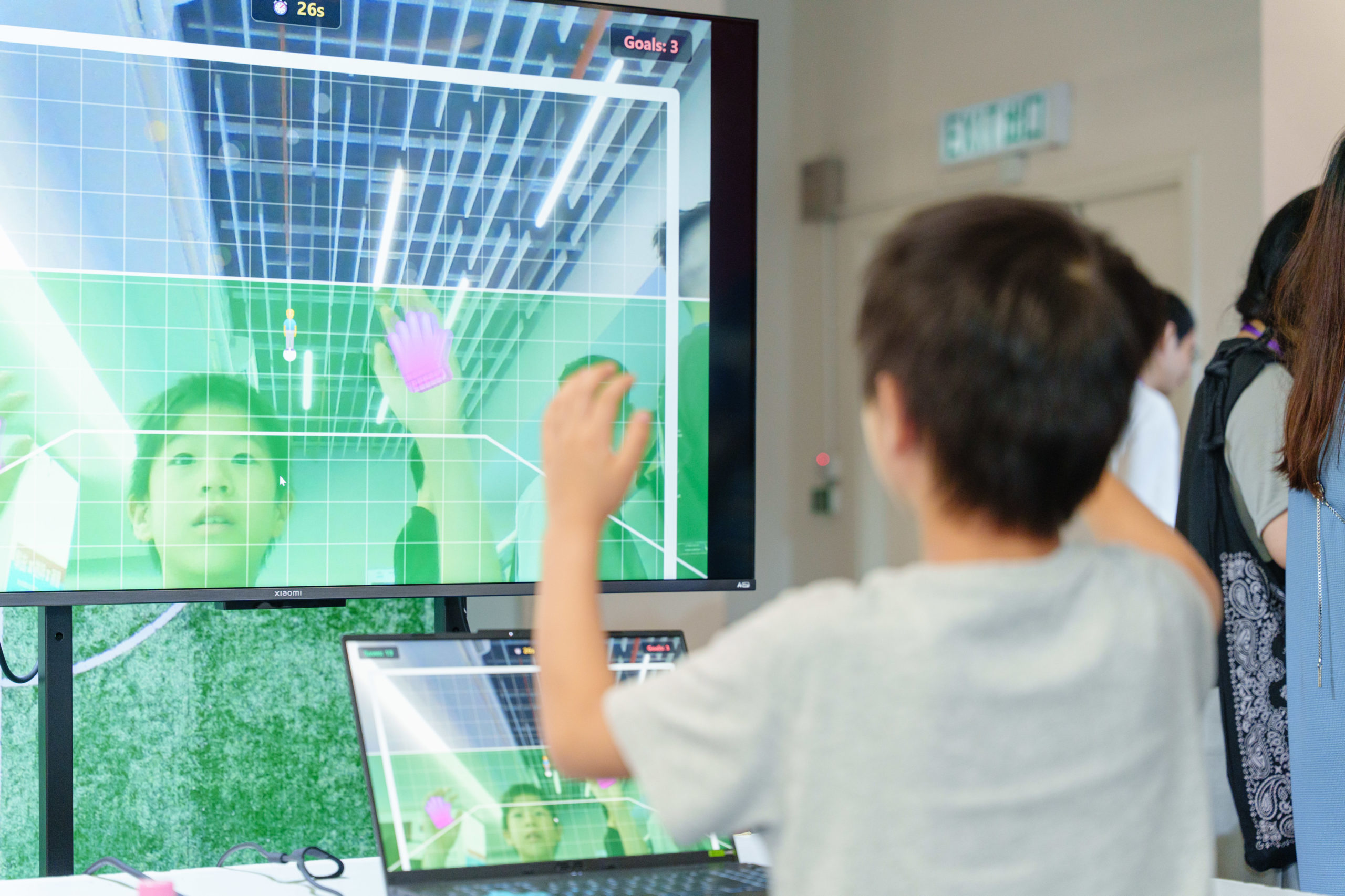
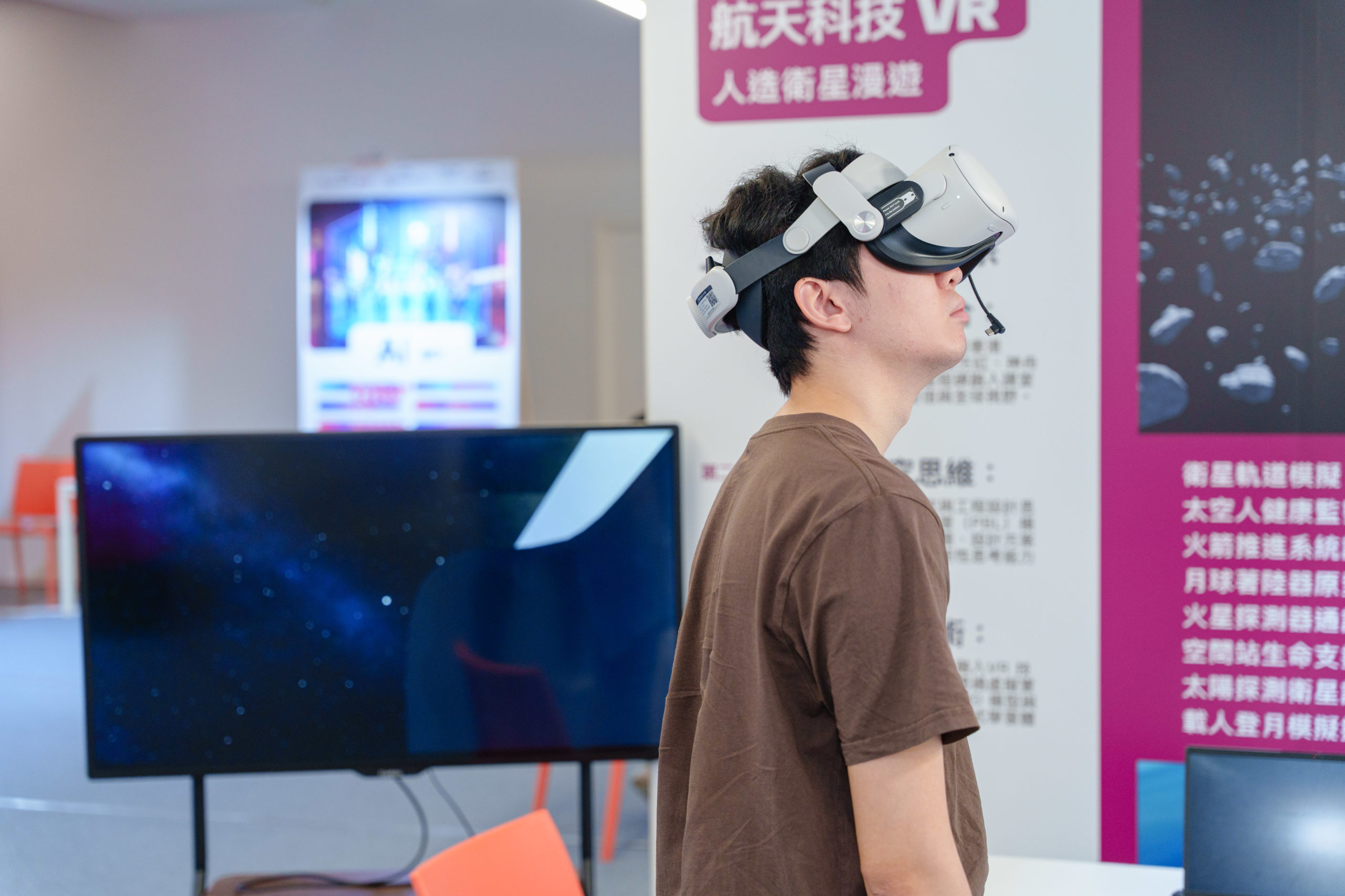
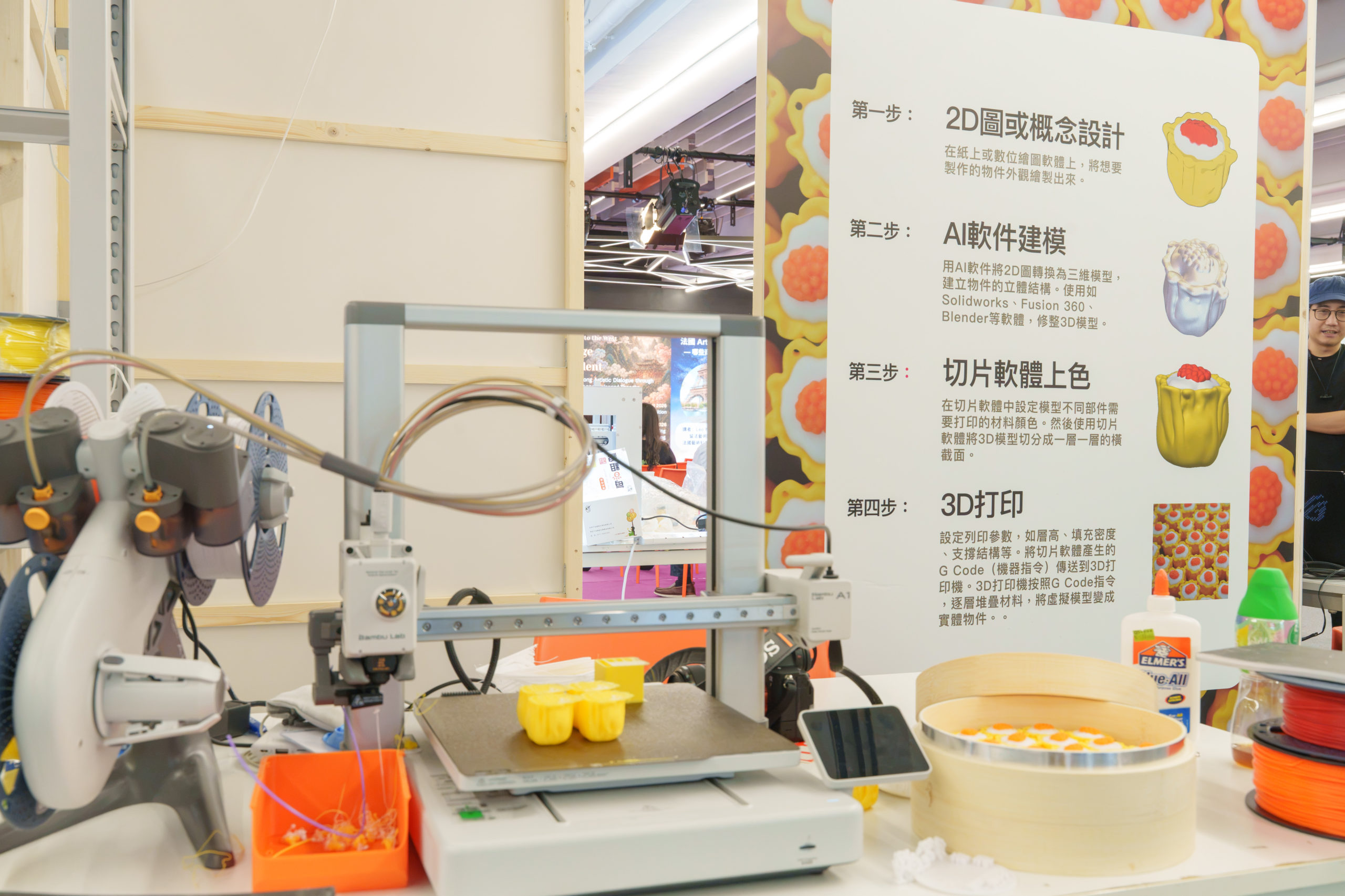
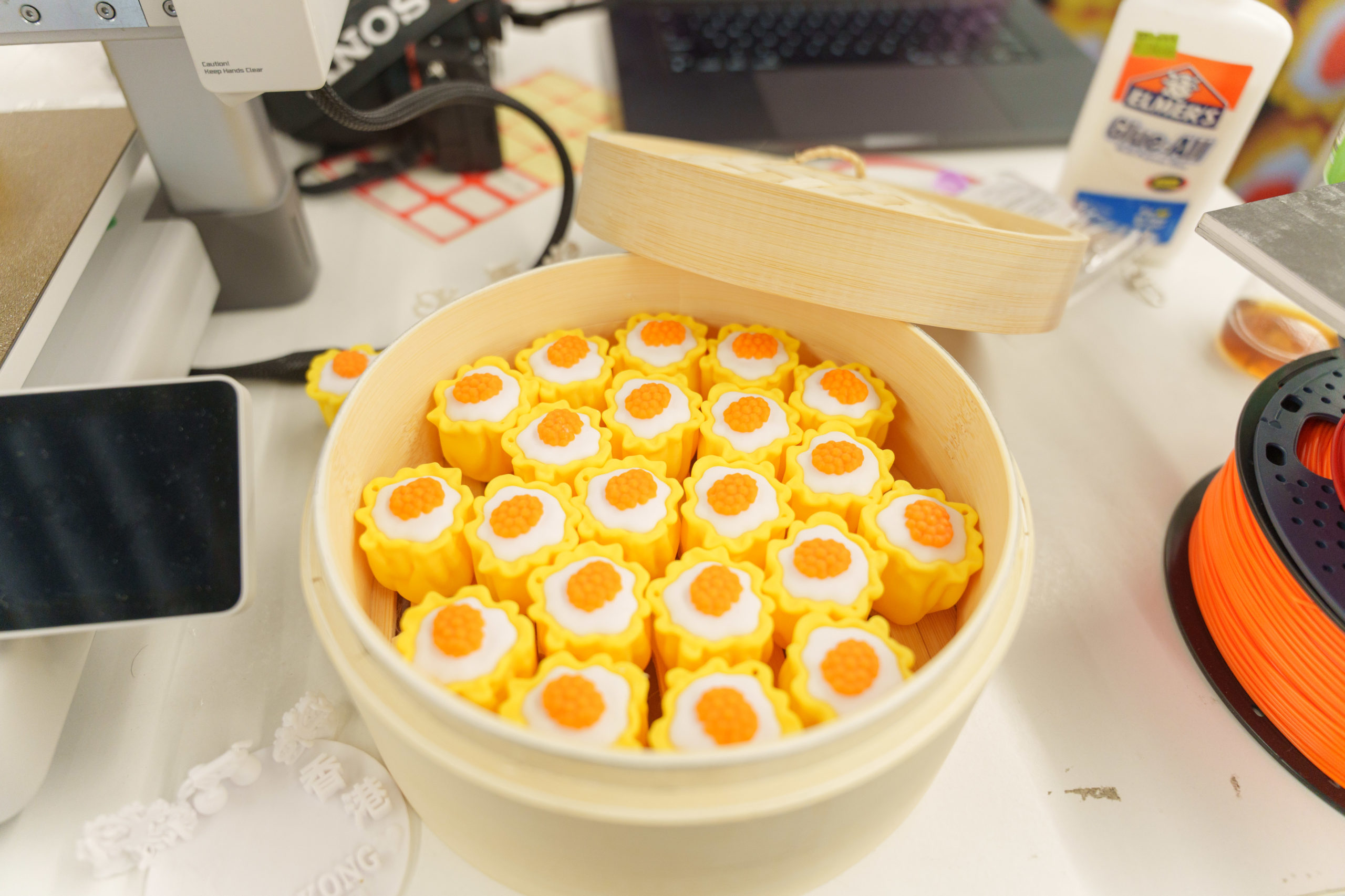
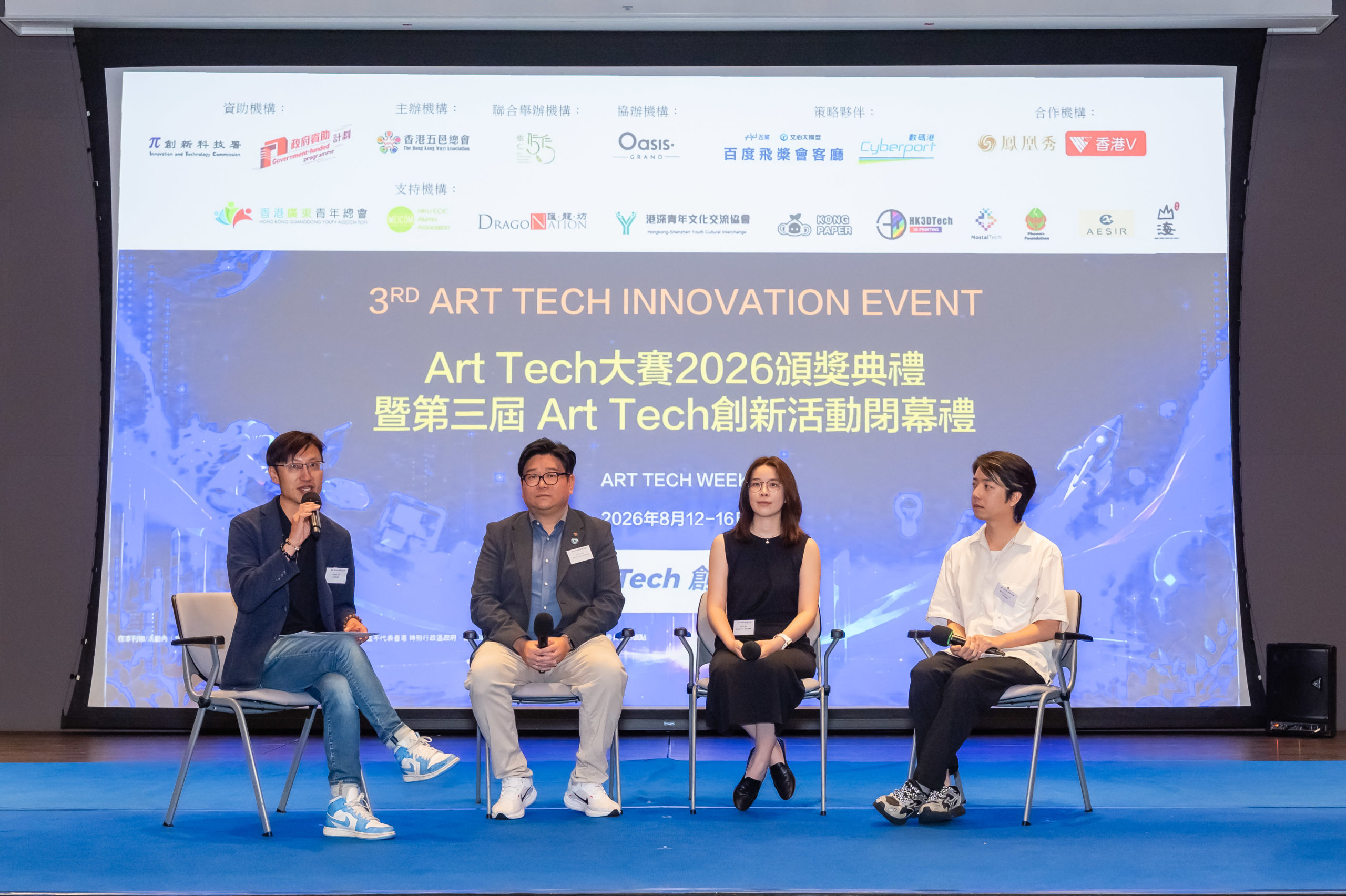
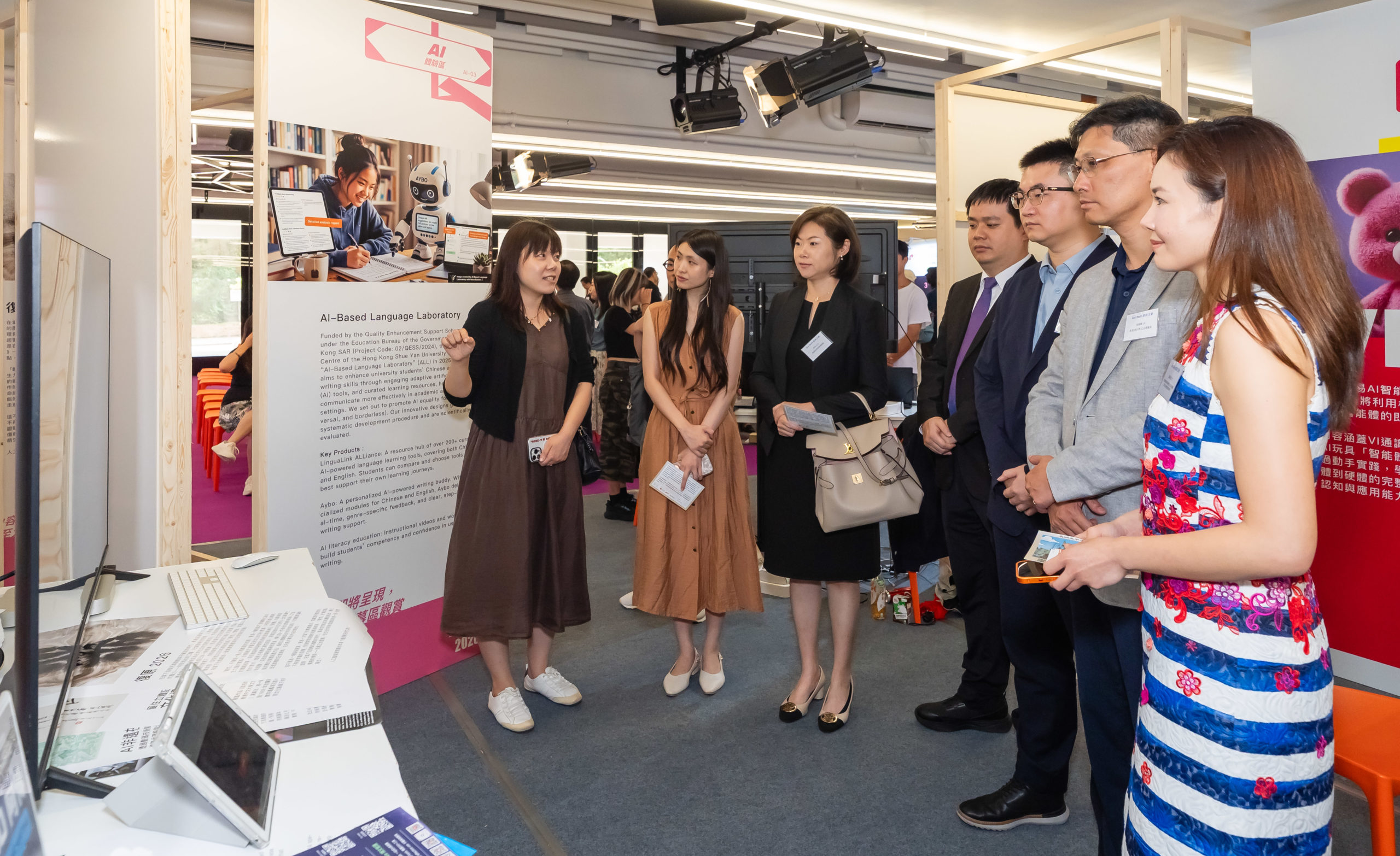
Funded by the Innovation and Technology Commission, organised by the Hong Kong Wuyi Association, and co-organised by Hong Kong Shue Yan University (HKSYU), the “3rd Art Tech Innovation Event” was held on HKSYU campus from 12 to 16 August. Rooted in local cultural traditions, the event offered workshops, competitions, exhibitions, interactive zones, and talks, inspiring young people to engage with Art Tech while strengthening their connection to and identification with local culture.
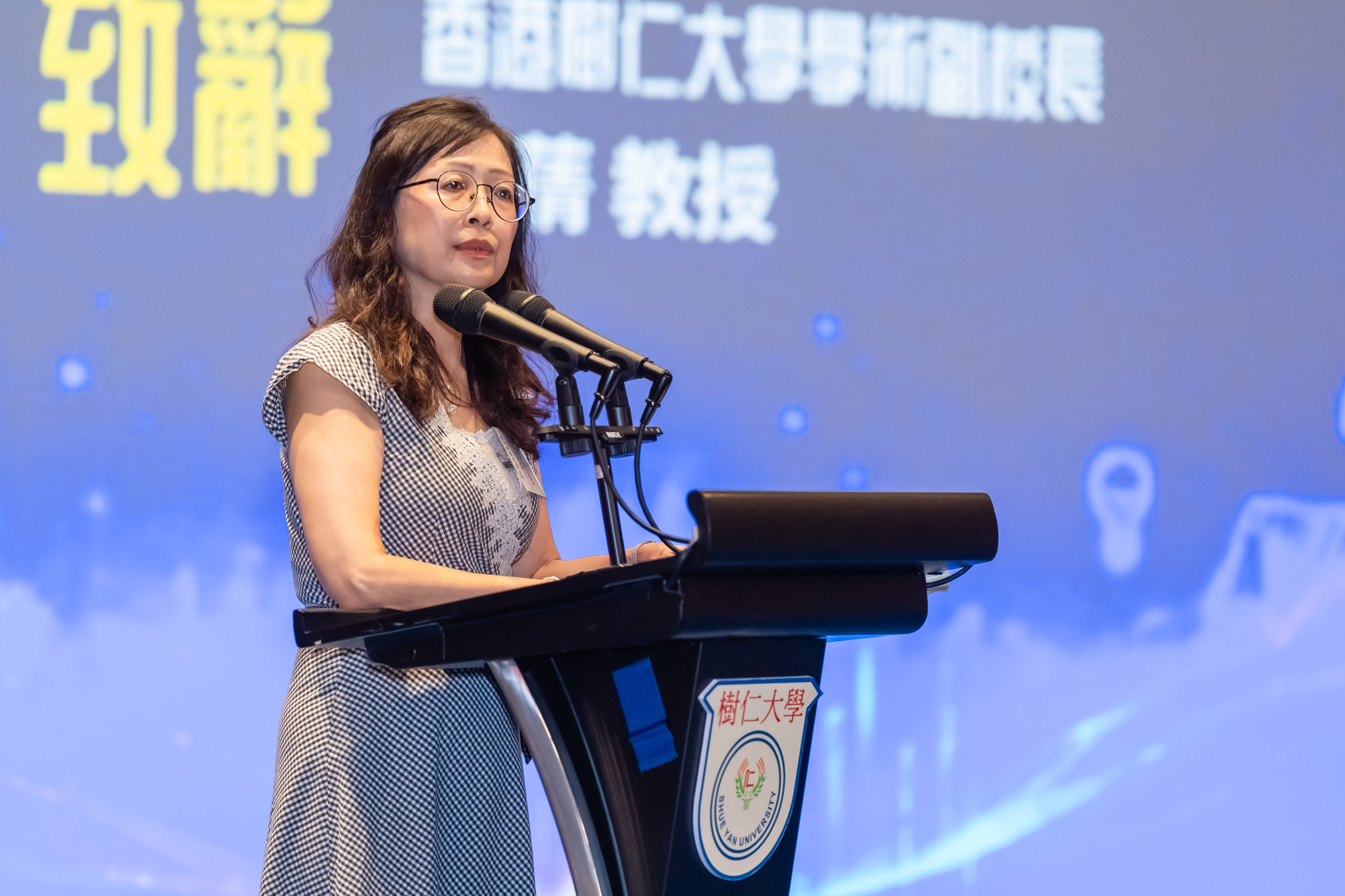
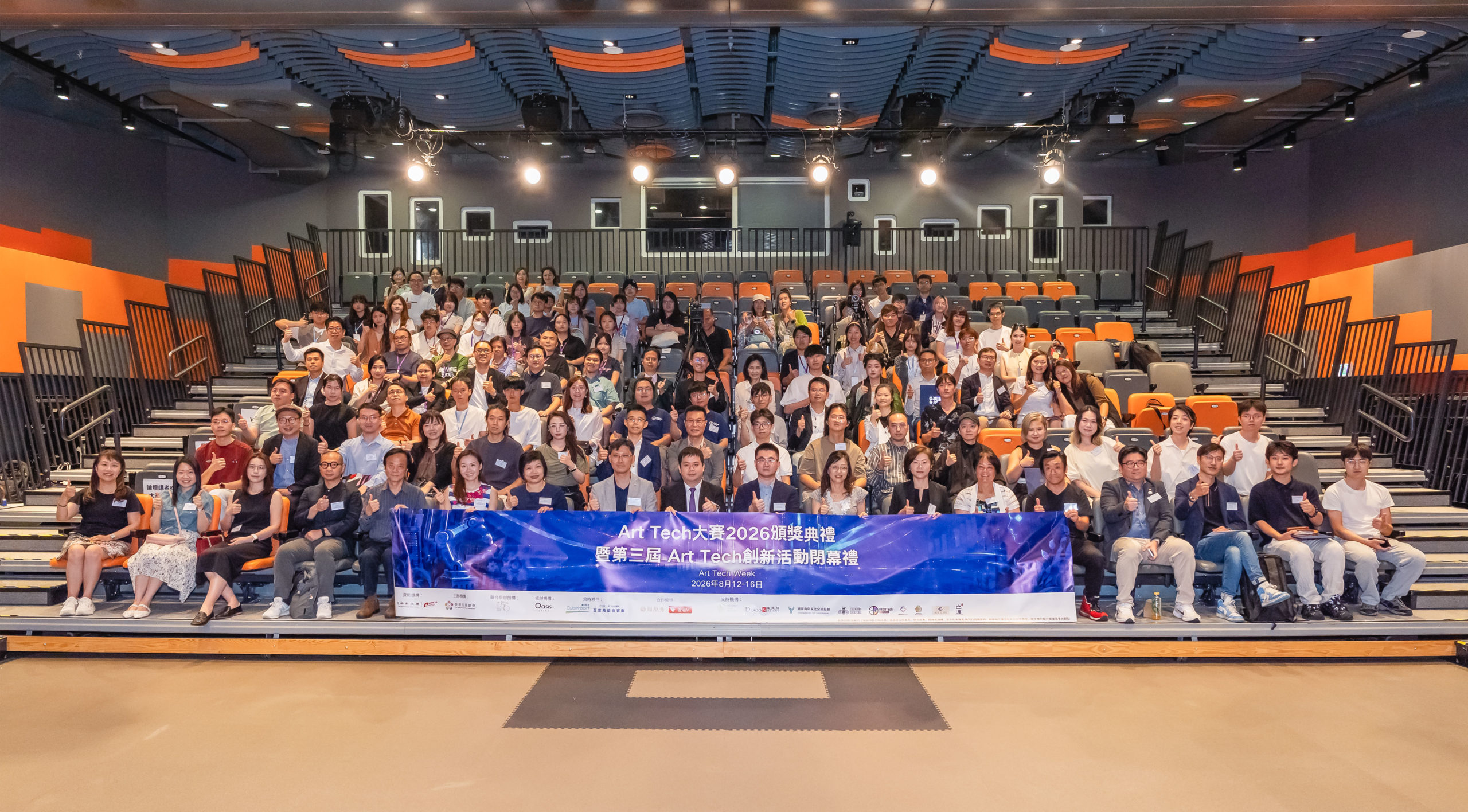
On 15 August, the “Art Tech Competition Award Ceremony and Closing Ceremony” showcased the outcomes of the event. In her address, Professor Chan Ching, Academic Vice President of HKSYU, emphasised that the event actively aligns with Hong Kong’s policy direction of developing into a global arts and technology hub. She noted that it further promotes the popularisation and application of art technology locally, while raising public awareness of its significance.


 In 1960s Hong Kong, resources were scarce and natural disasters were frequent, which resulted in the important role of religion. The Cheung Chau Jiao Festival, a five-day, four-night annual event, was listed as a national intangible cultural heritage in 2011 and was a type of folk beliefs. Professor Chan emphasized that the Cheung Chau Jiao Festival, besides being a religious activity, also possesses secular significance, strengthening community identity through the participation of different communities and the public.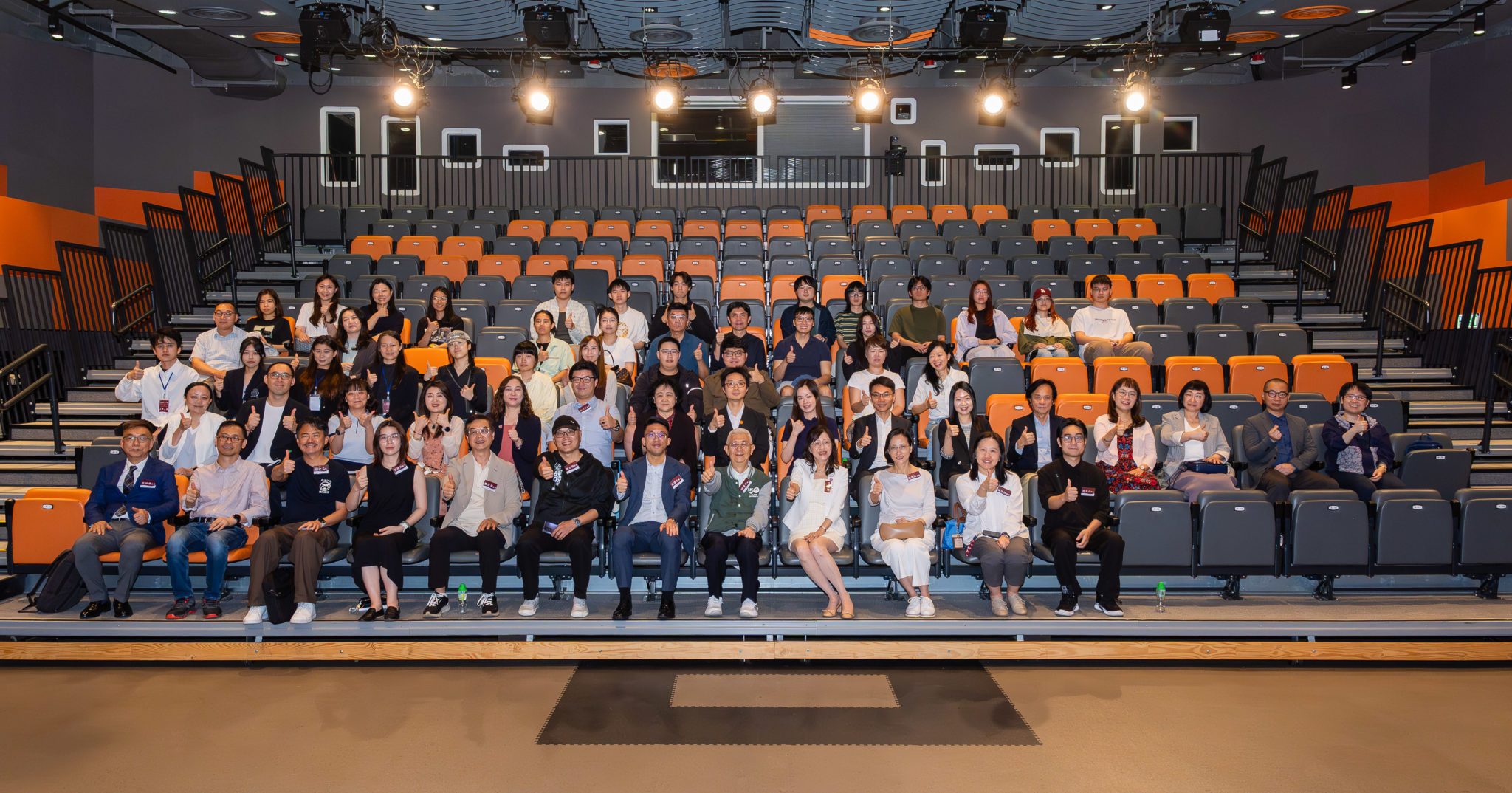
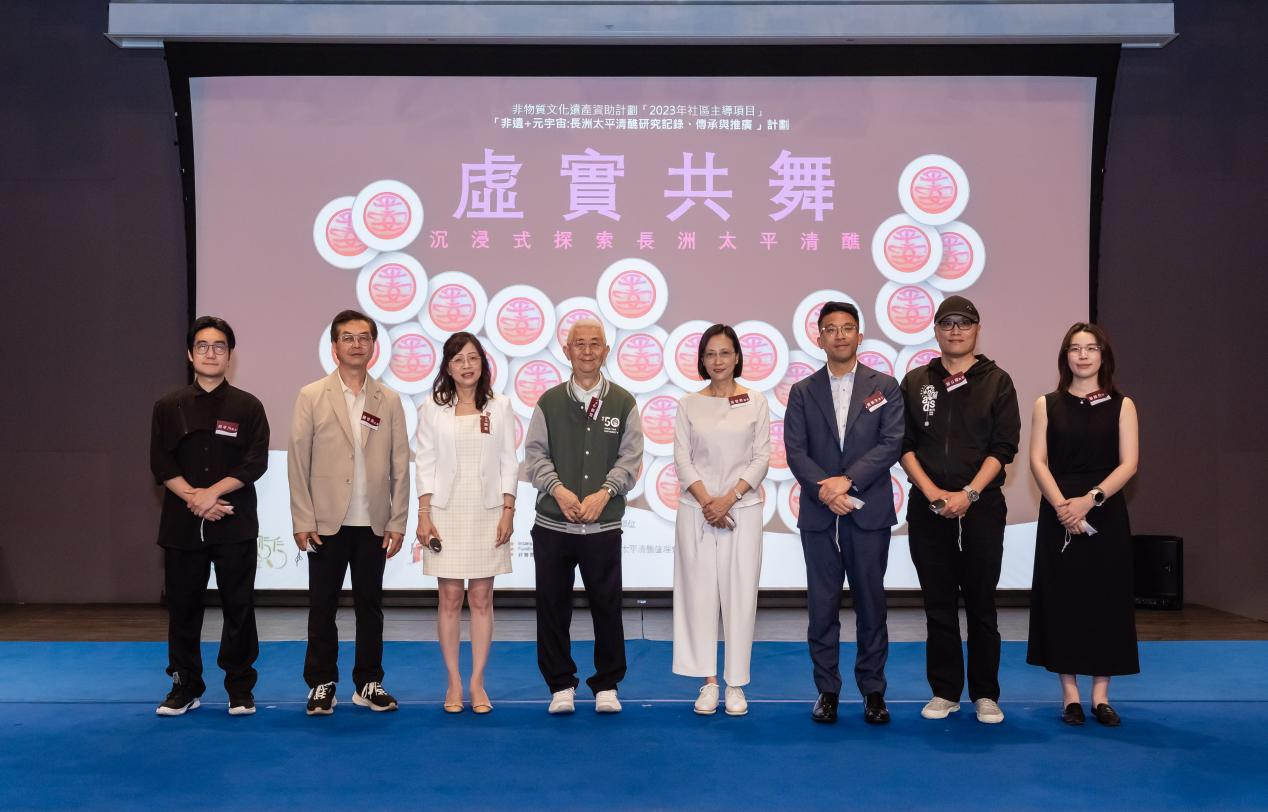 Photo: Presiding over the opening ceremony were (From left) Dr. Patrick Ke, Assistant Professor of Department of Sociology (HKSYU); Mr. Kwong Sai Loi, Chairman of the Cheung Chau Wei Hoi Luk Clansmen Association and one of the founders of the Cheung Chau Bun Festival Committee; Professor Selina Chan, Academic Vice President (HKSYU); Dr. Hu Fai-chung, President of HKSYU; Ms. Ng Suet Kwan, Head of the Intangible Cultural Heritage Office; Dr. Chow Tak-sang, Vice President (University Administration) (HKSYU); Professor Lau Kung Wong, Head of Department of Data Science and Digital Innovation (HKSYU); and Dr. Cai Shengdan, Assistant Professor of Department of Sociology (HKSYU).