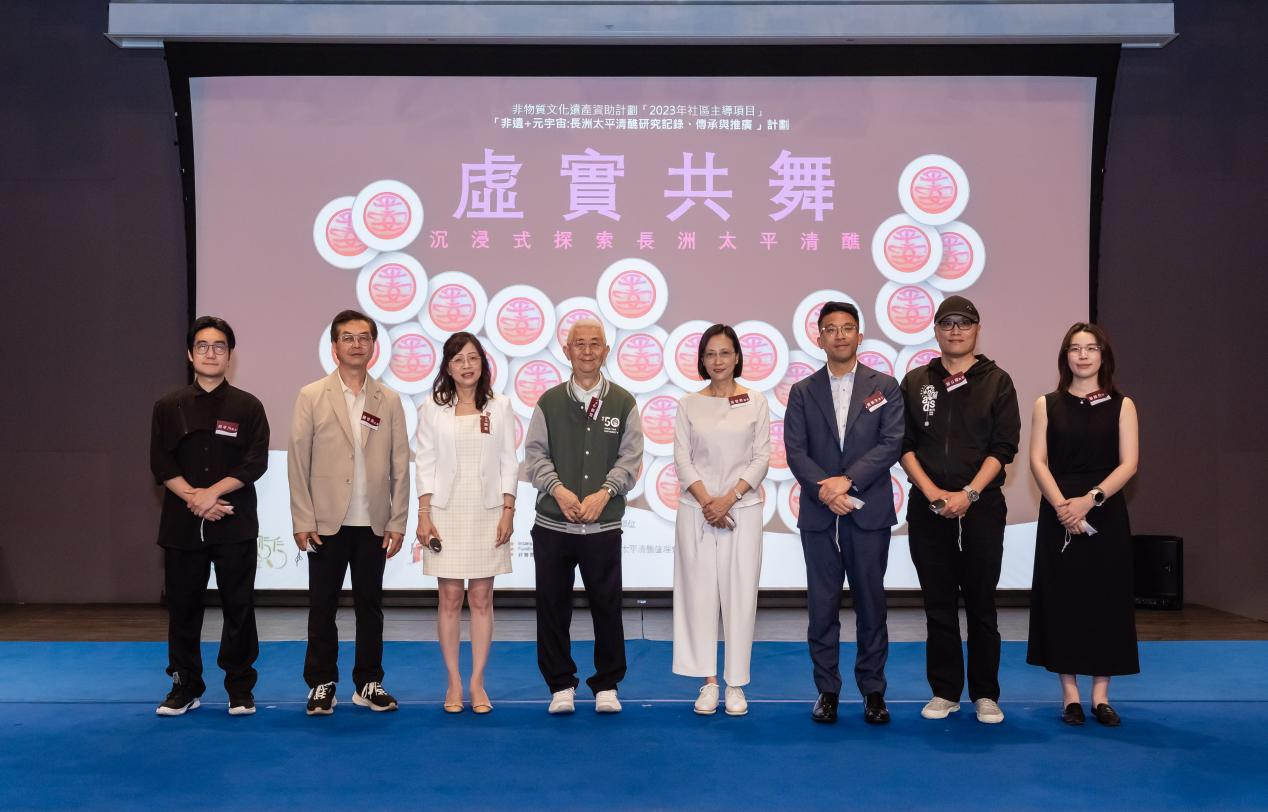
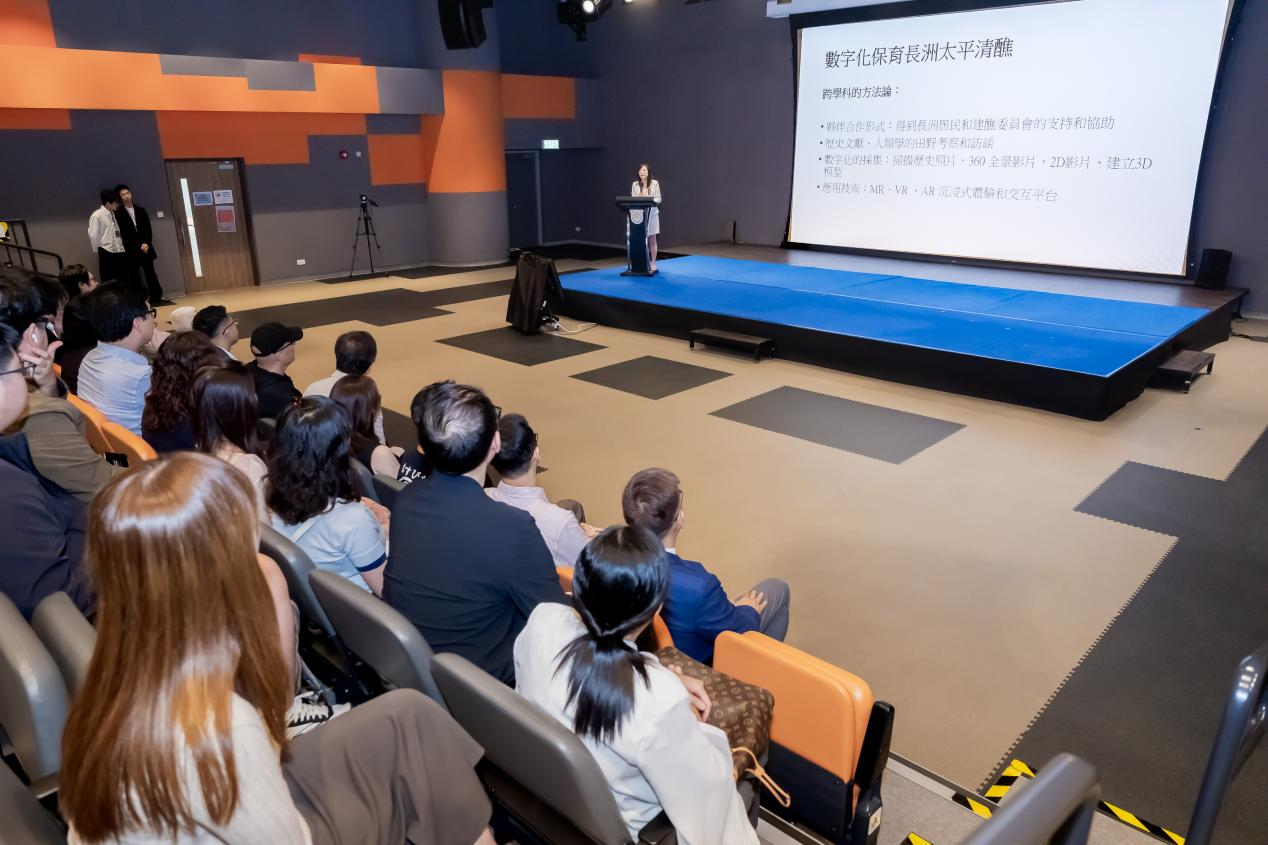
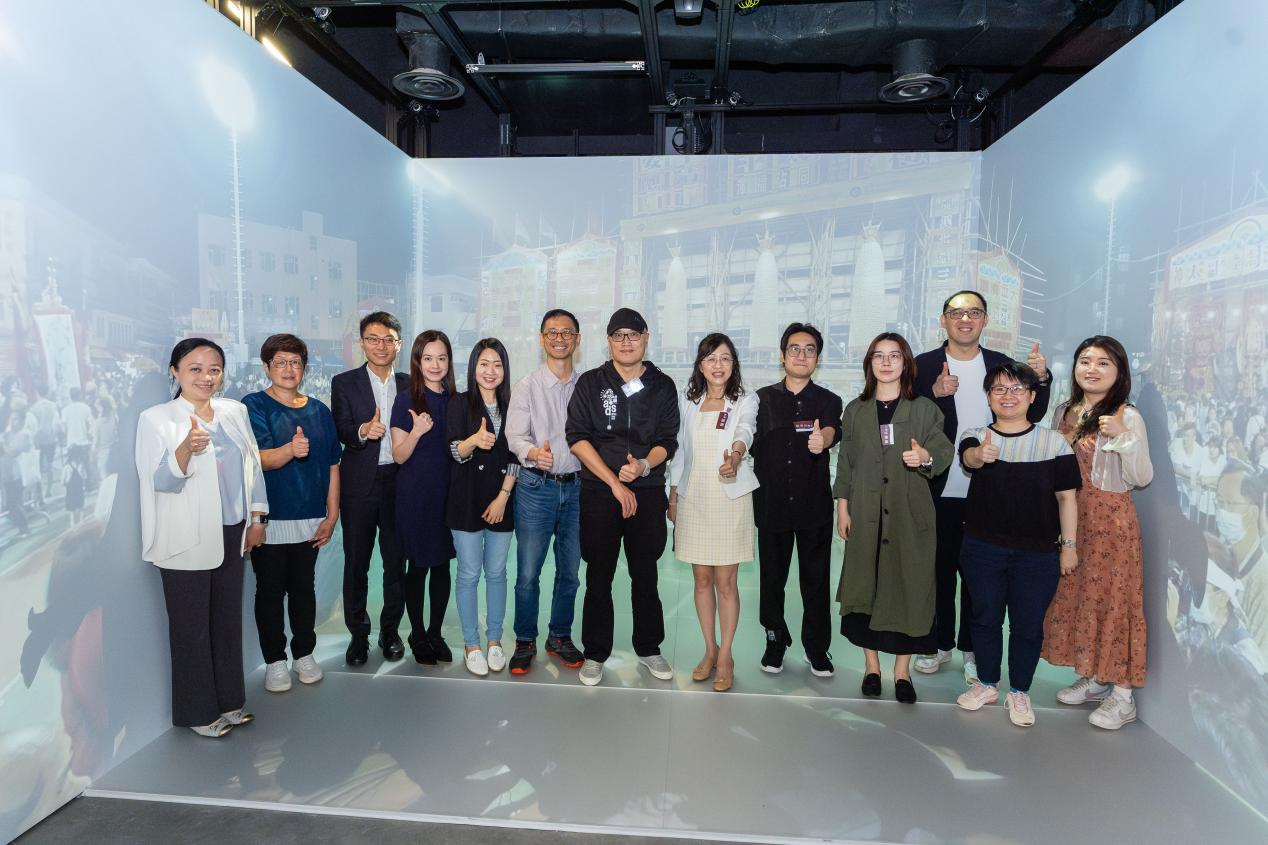
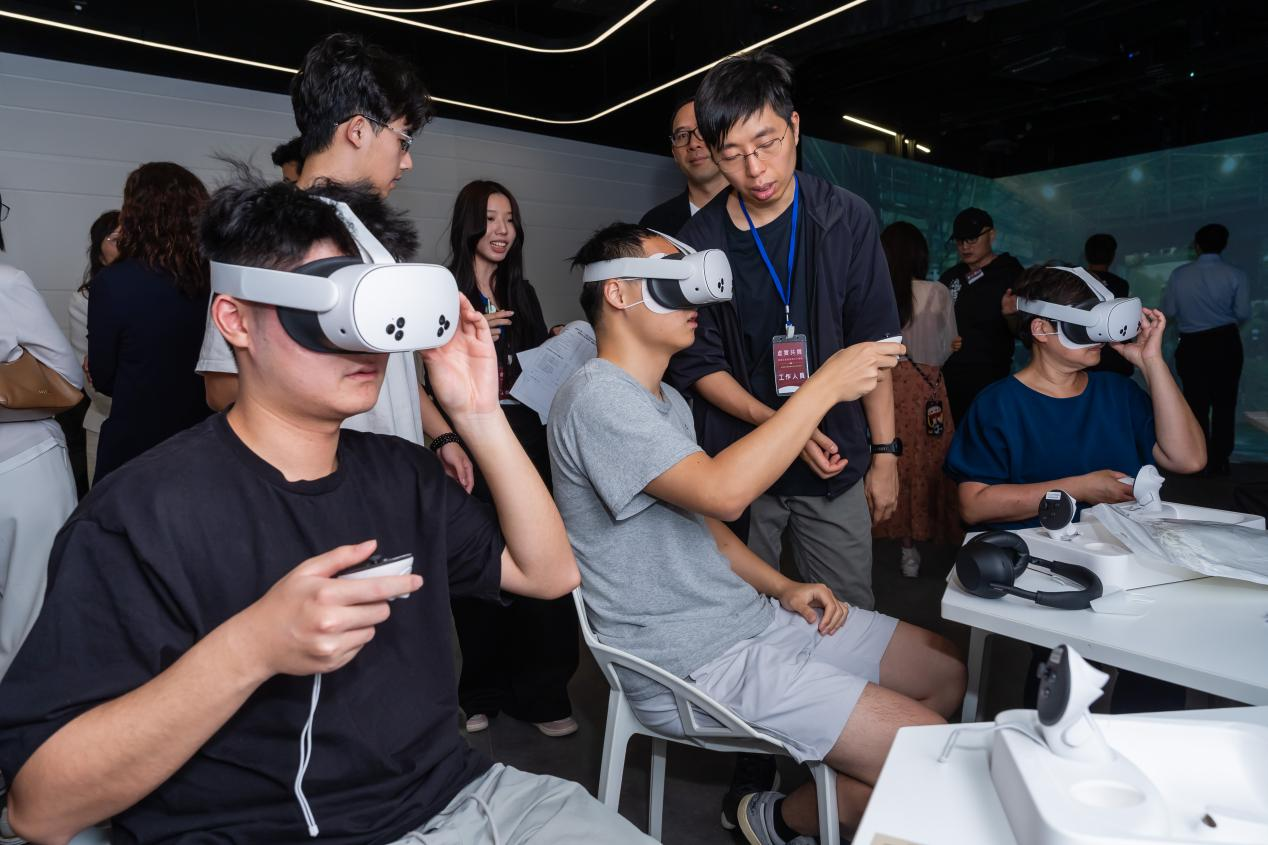
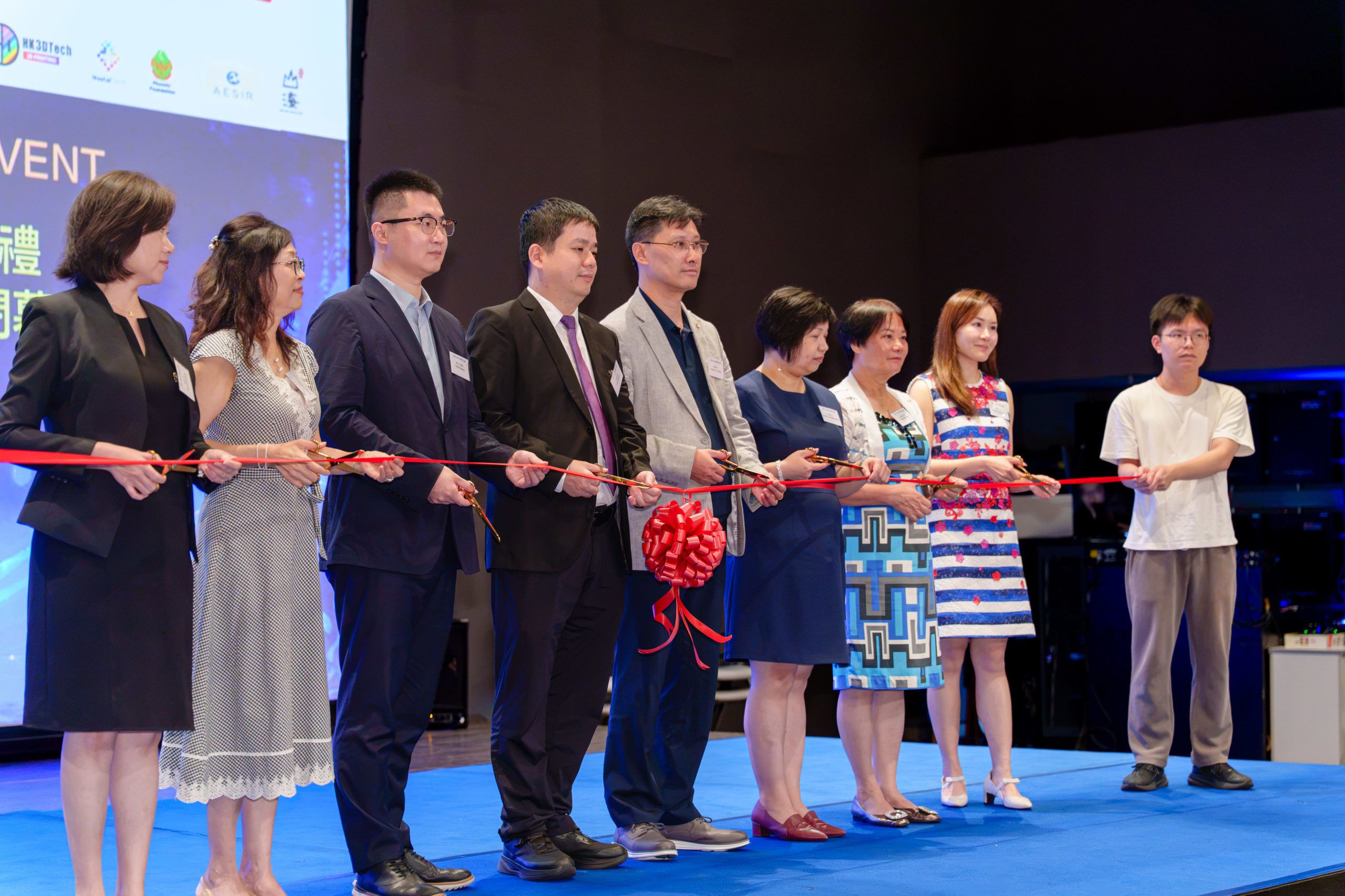
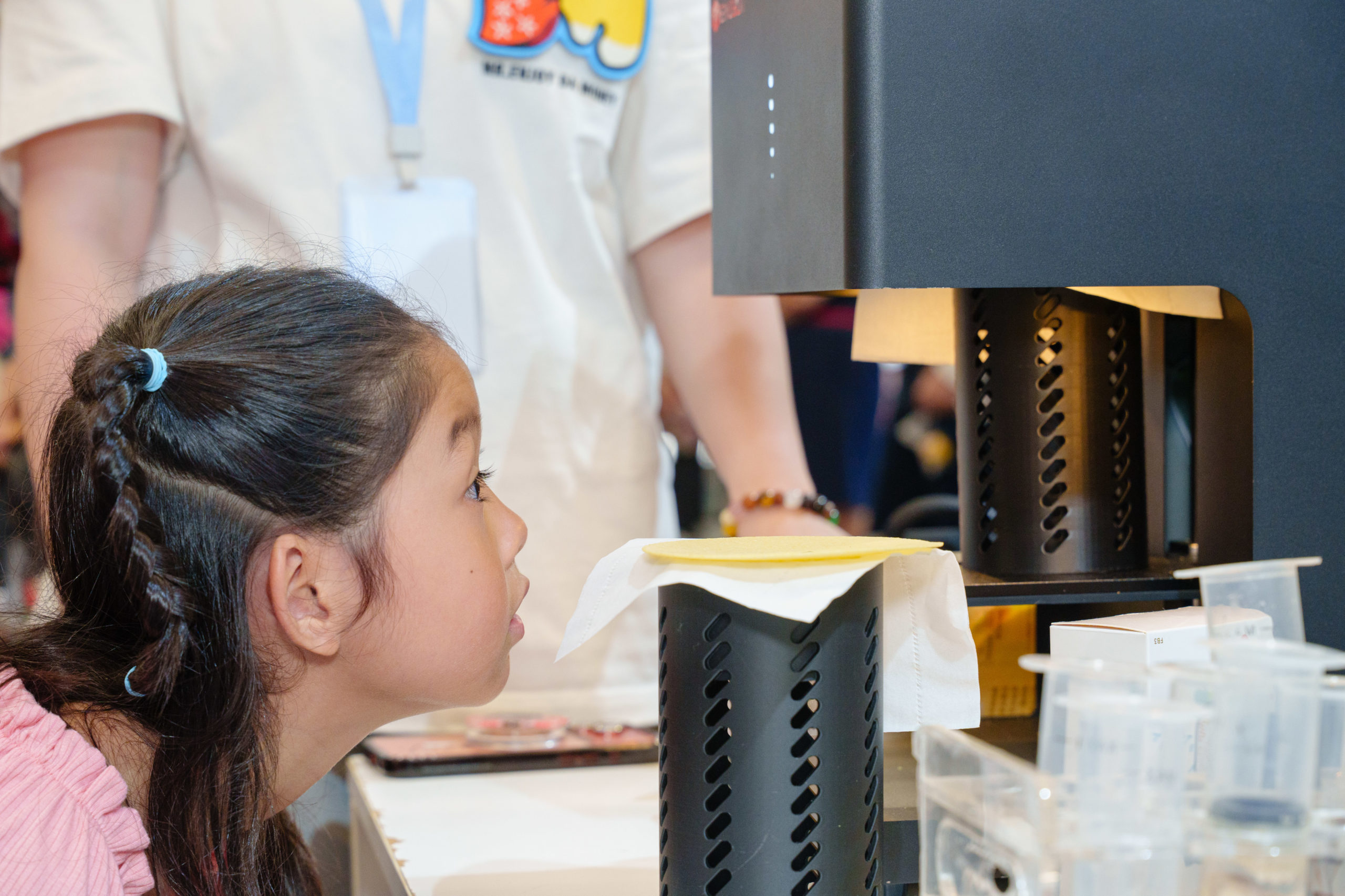
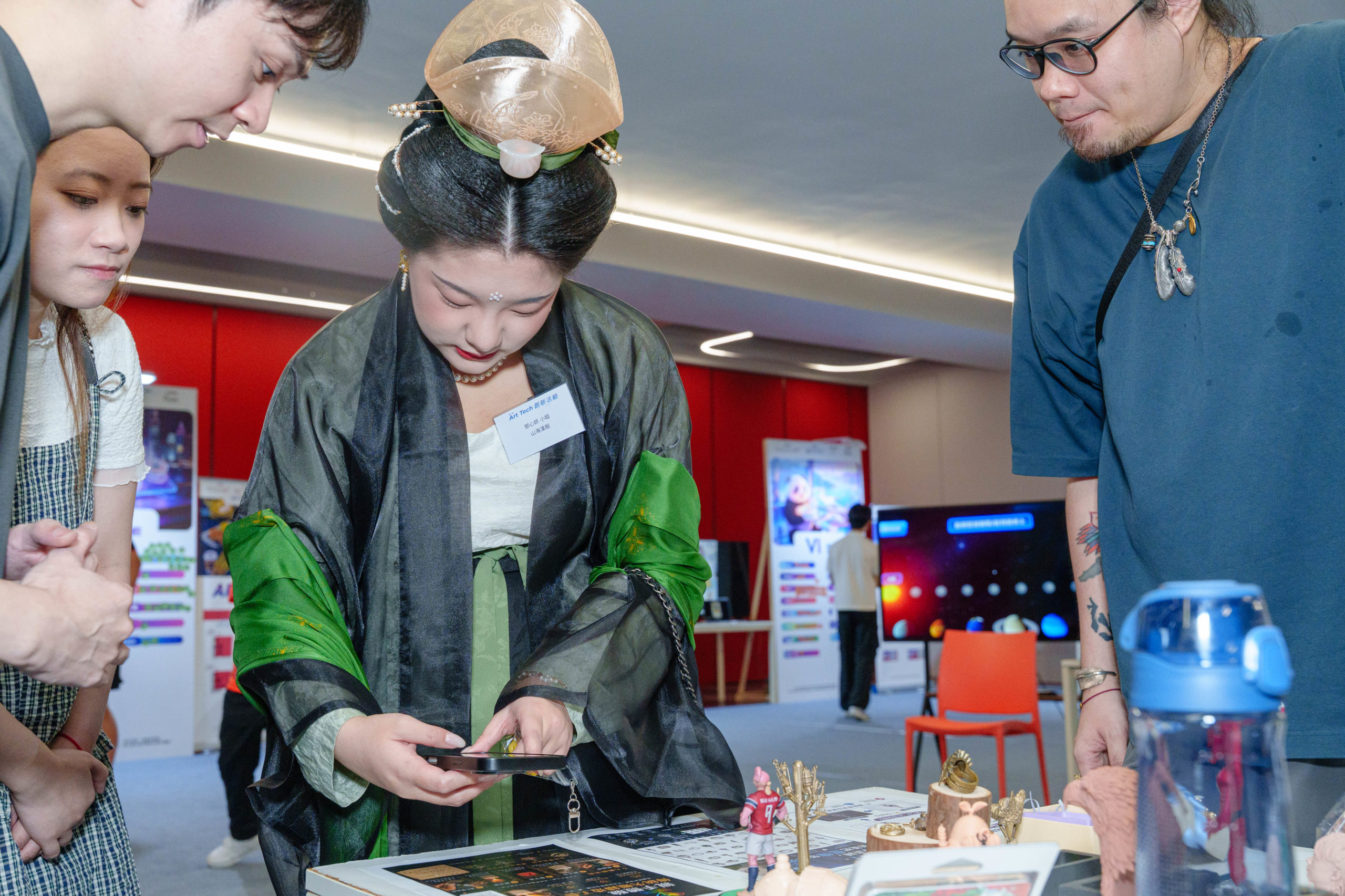
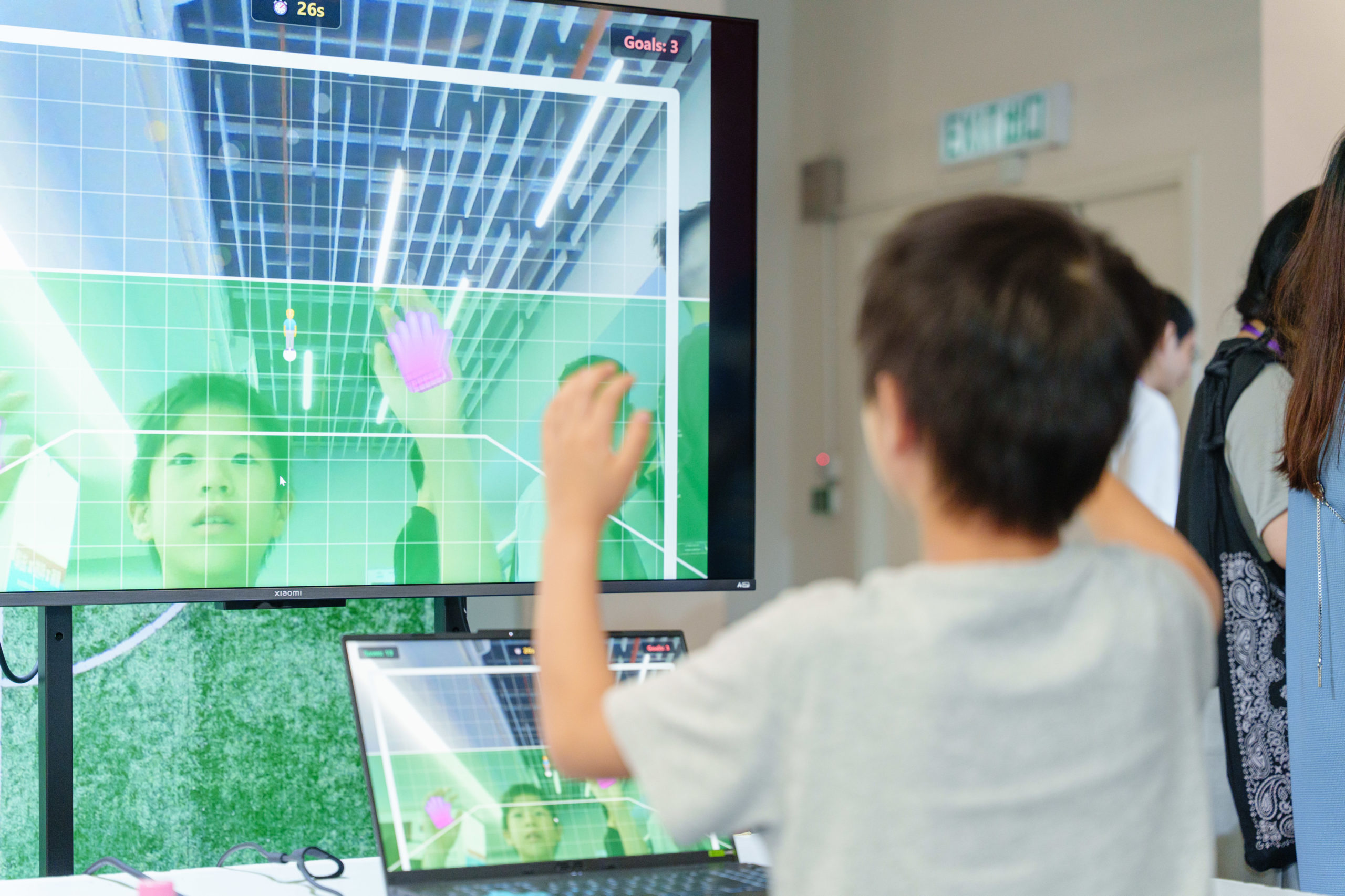
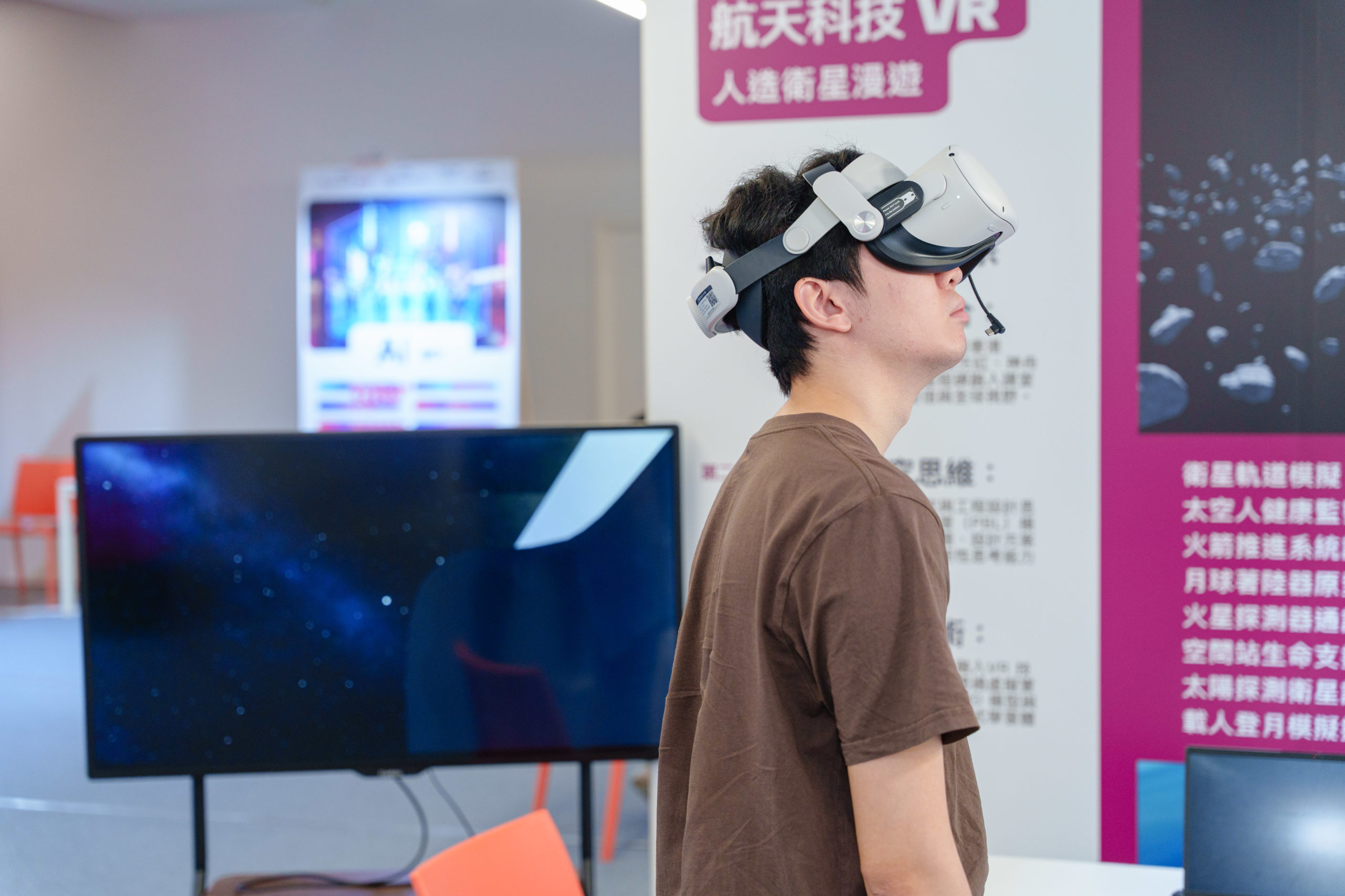
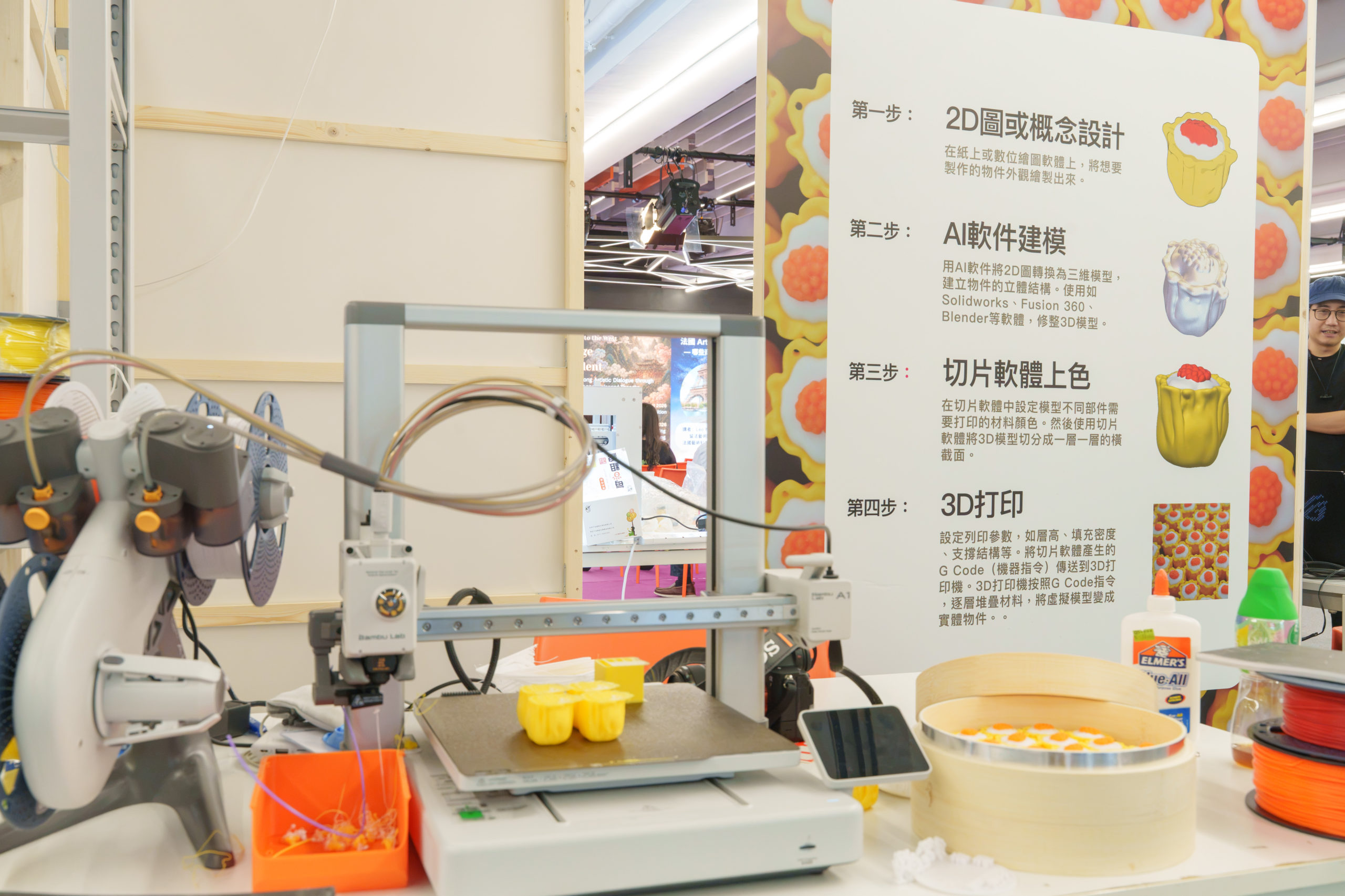
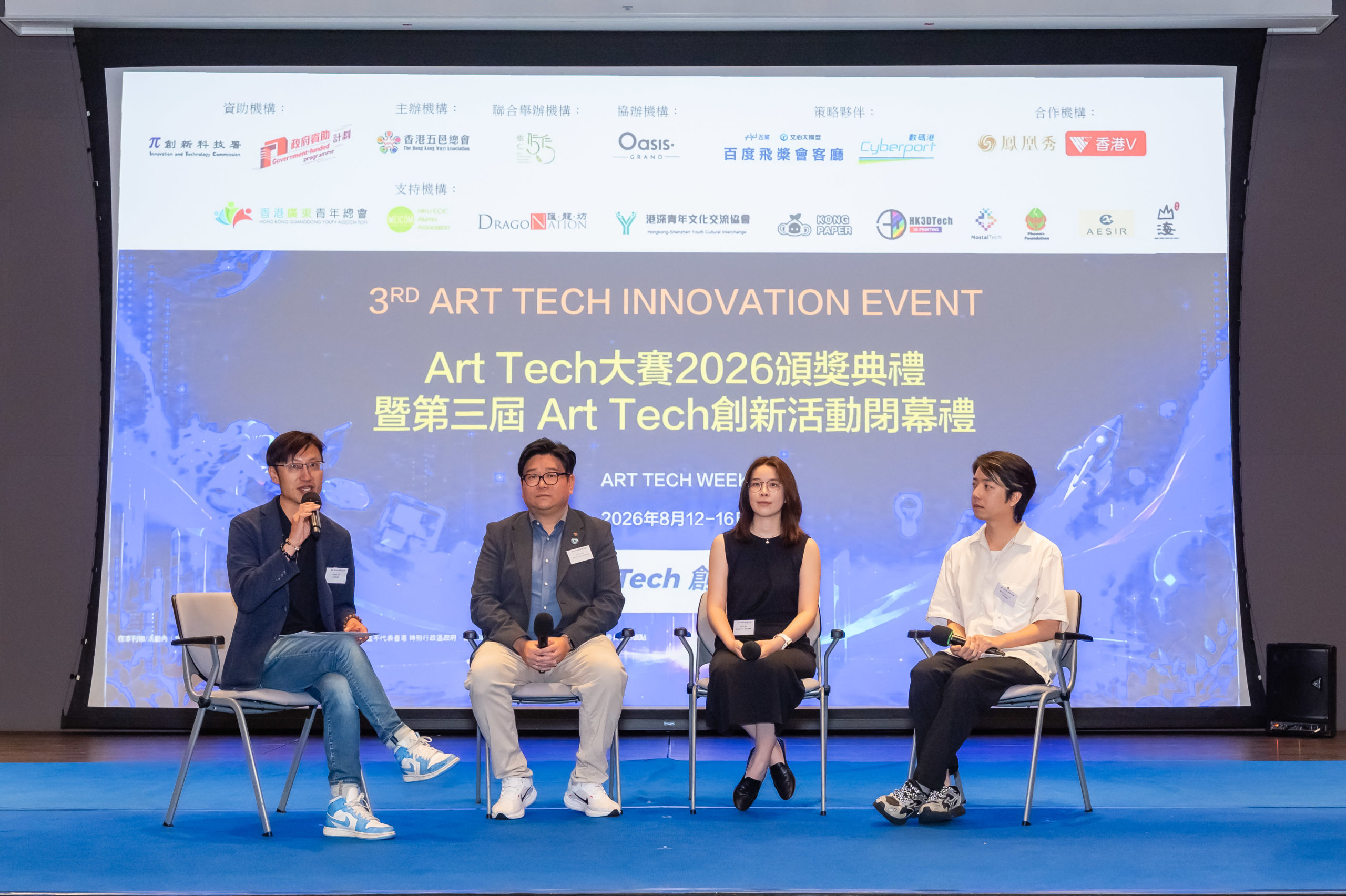
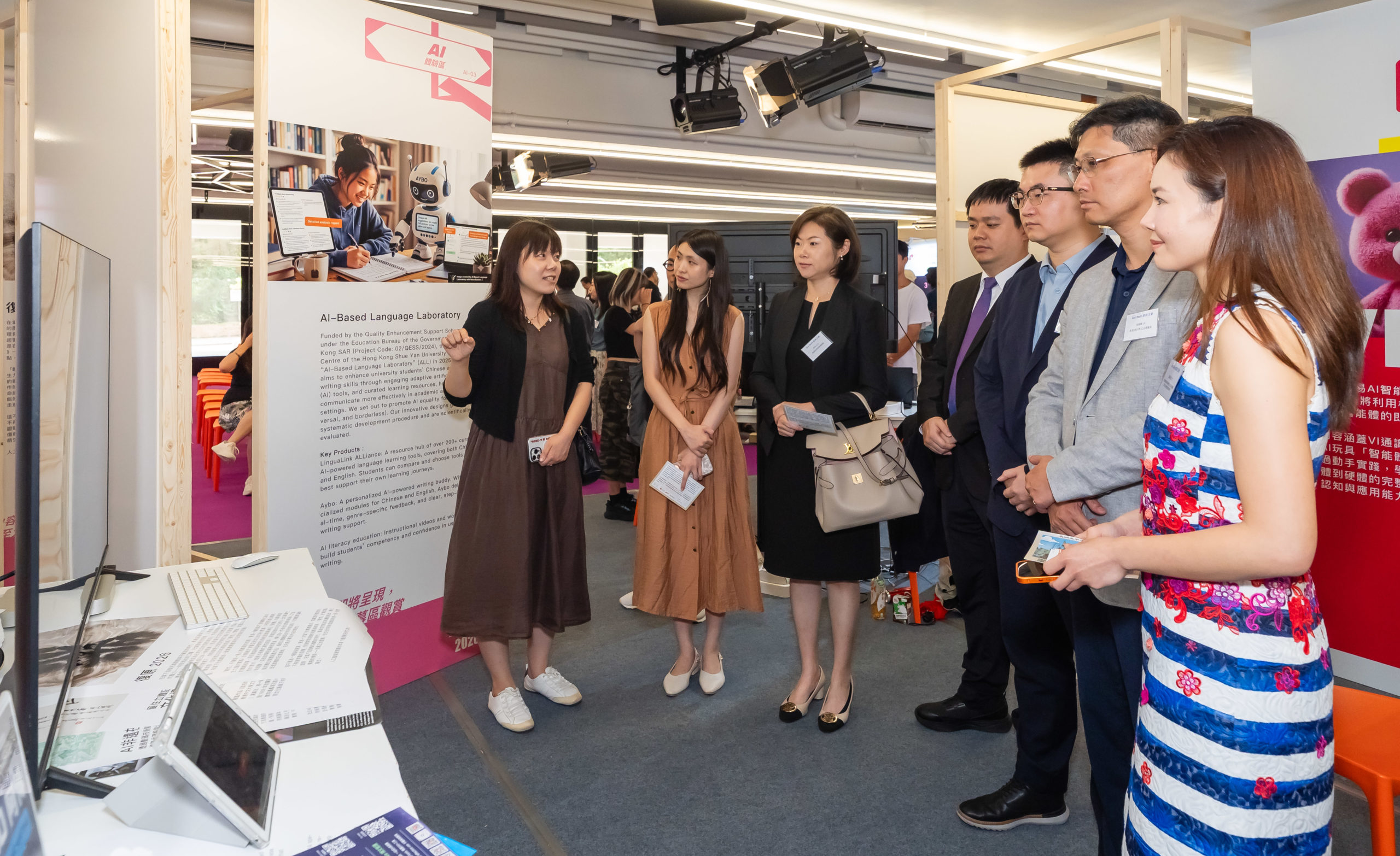
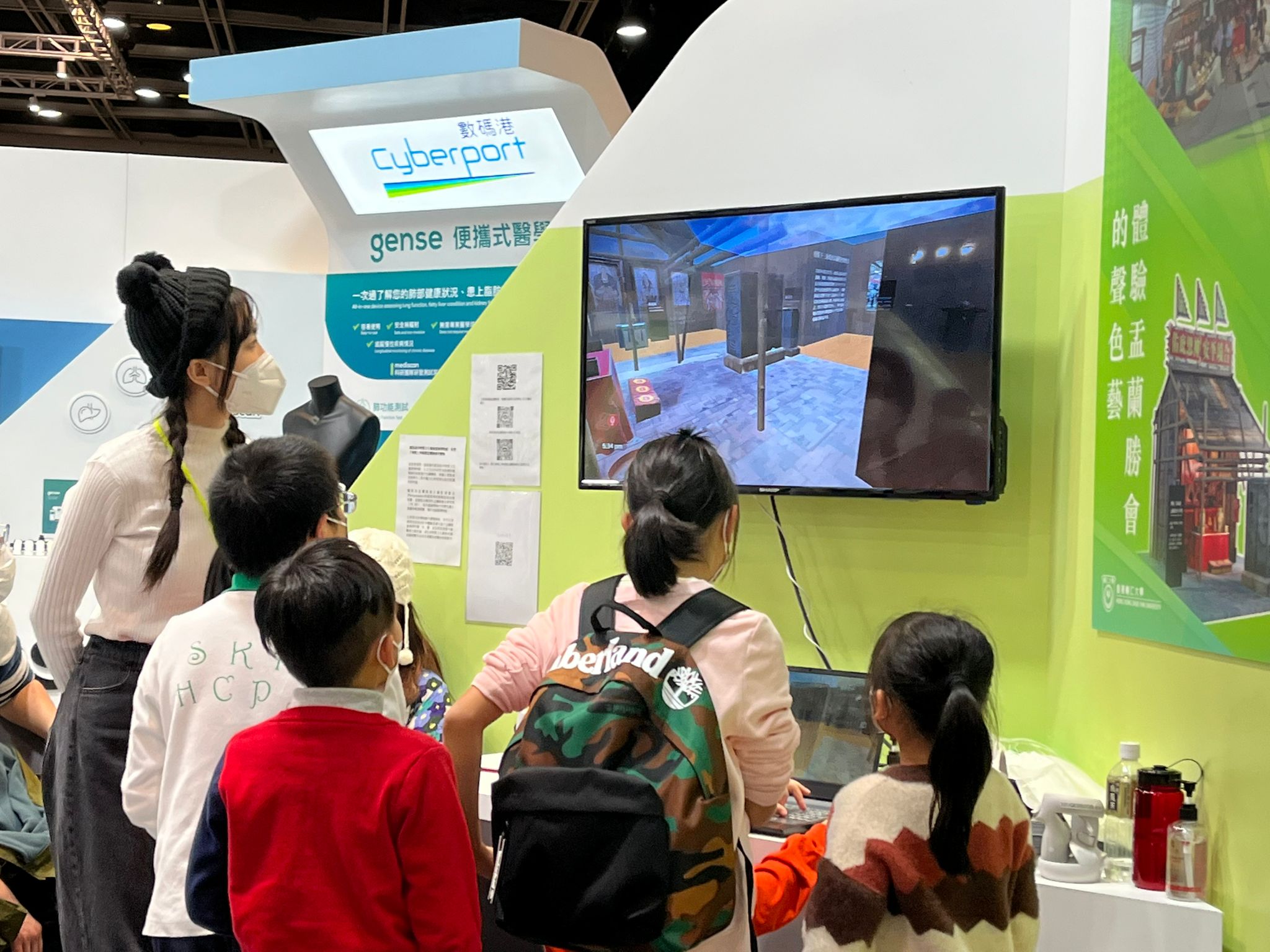
Art Tech Week期間亦舉辦多場專業論壇,邀請業界專家深入探討藝術科技發展趨勢,啟發青年創新思維。留法藝術家Leo回港分享「法國Art Tech生態:藝術史、文化與政策法律對香港的啟示」;金獅獎得主陳思雨導演與資深影視工作者鮑曼華主講「廣告導演教你如何在家創作AIGC商業影片」;以及「3D打印可食用燒賣與PLA膠燒賣」系列特別講座。
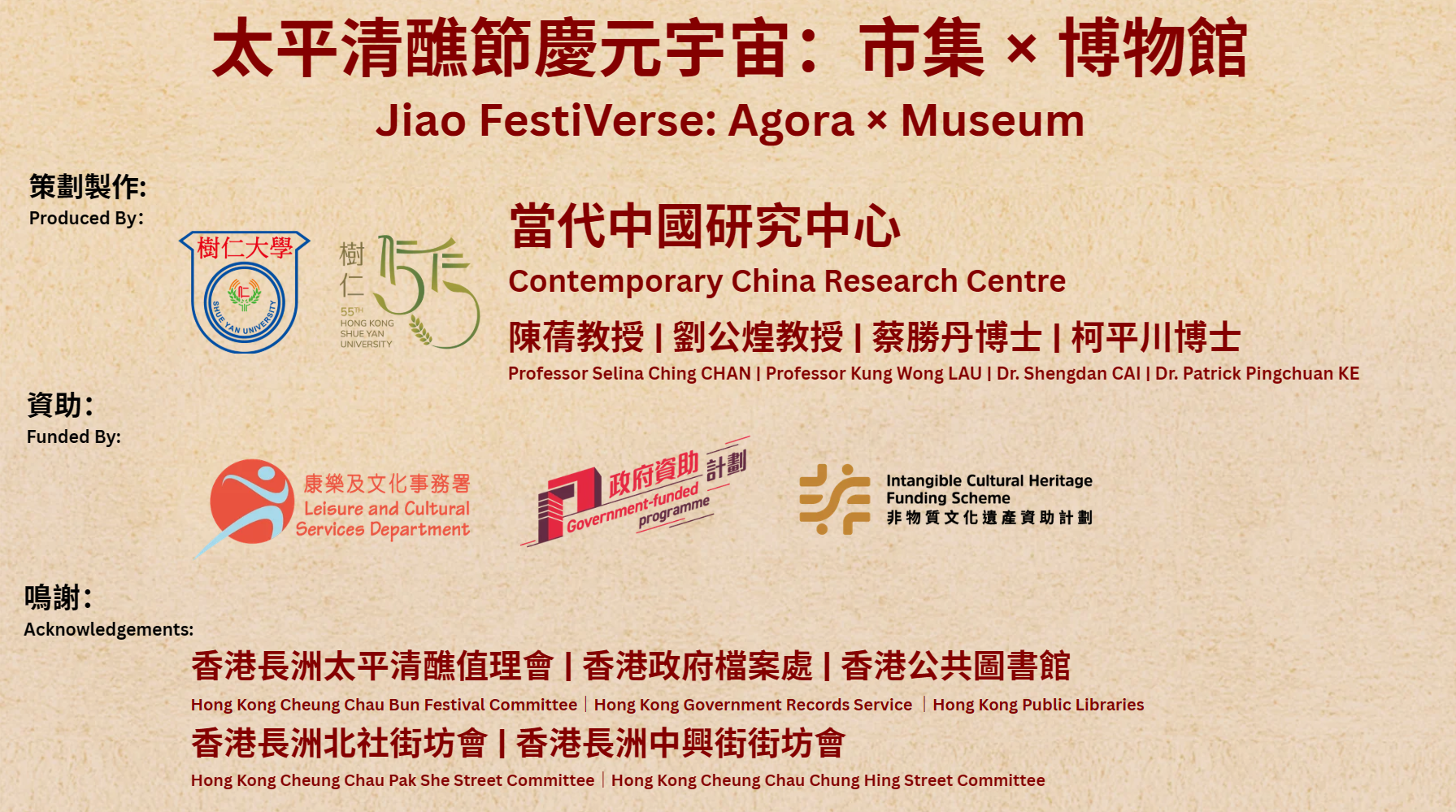
“Three Chaozhou Hungry Ghosts Festival: Research and Promotion”
Funded by the Intangible Cultural Heritage Office, HKSAR Government Amount of Grant: HK$1,004,400
Project Investigator: Prof. Selina Ching Chan
Project Description:
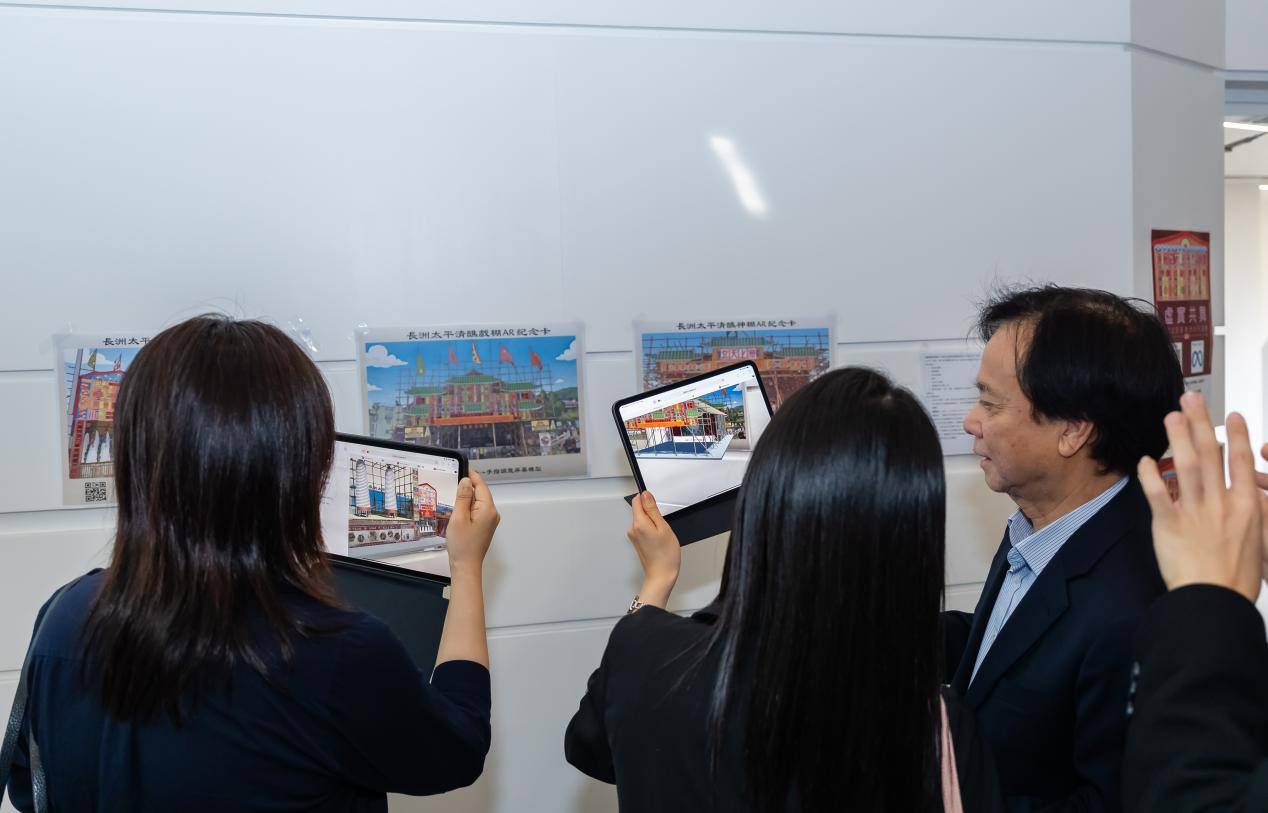
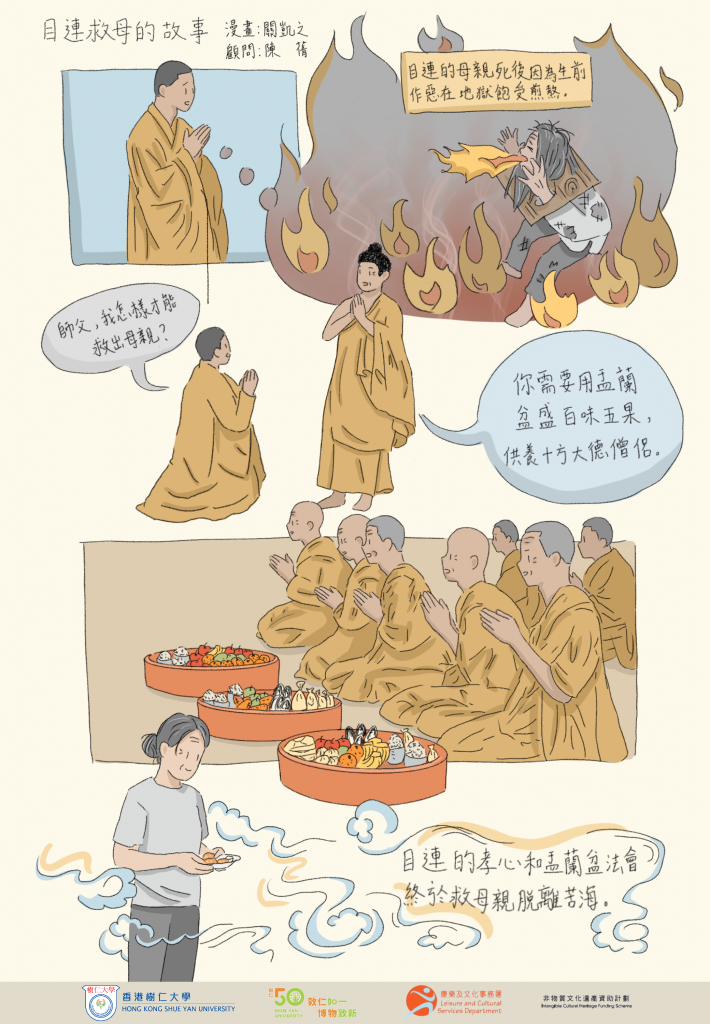
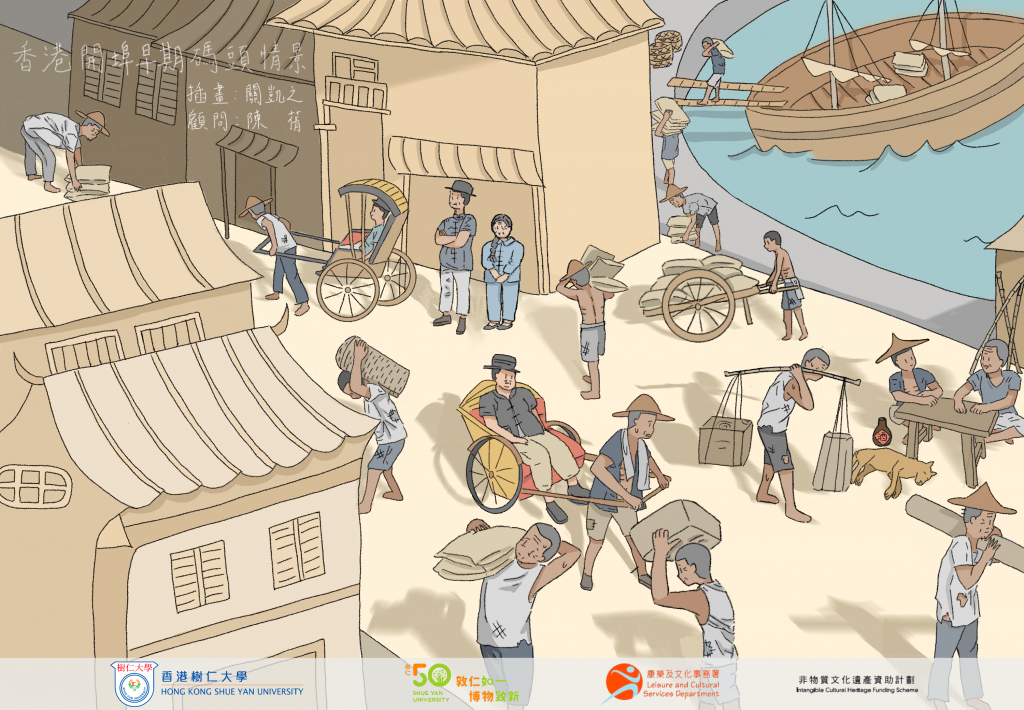
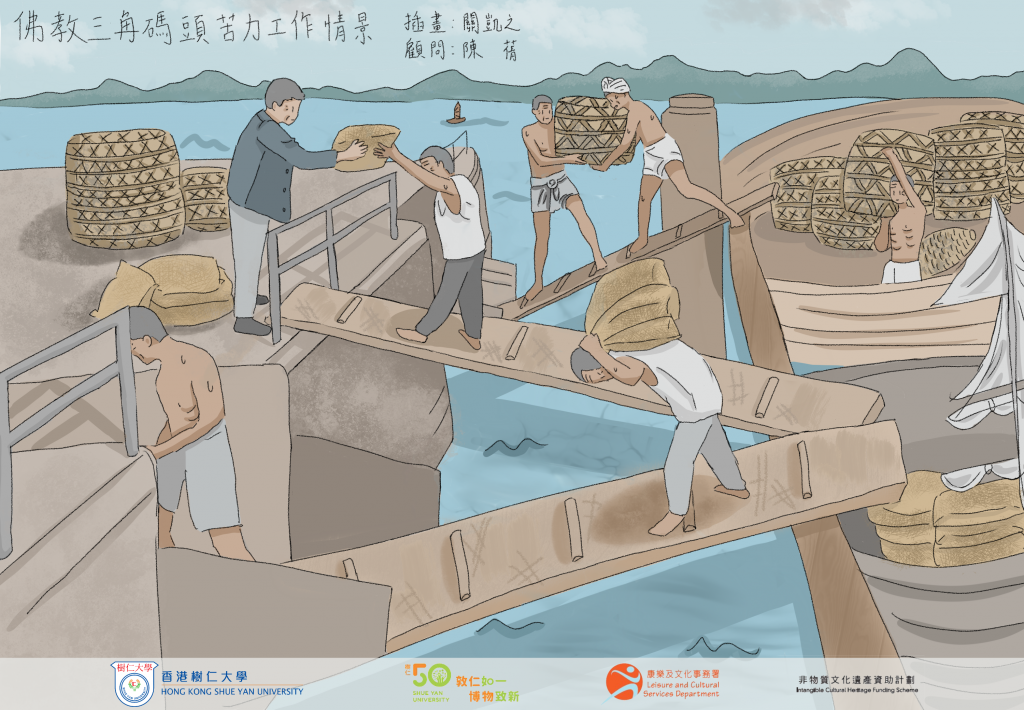
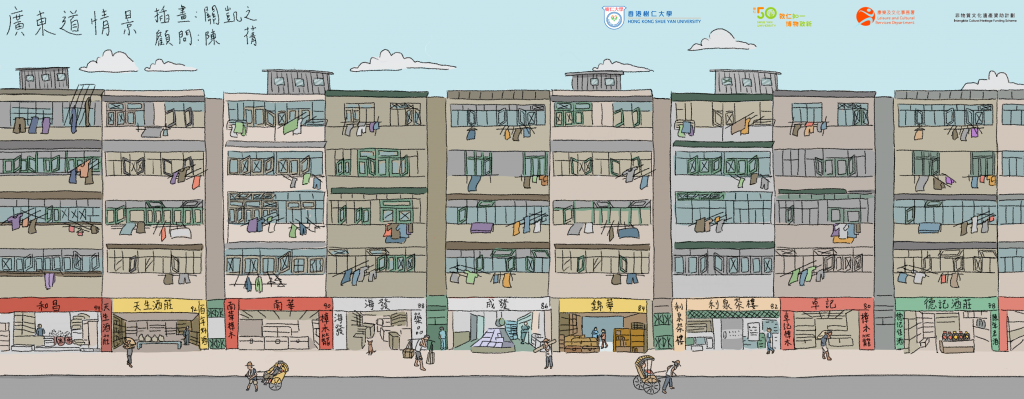
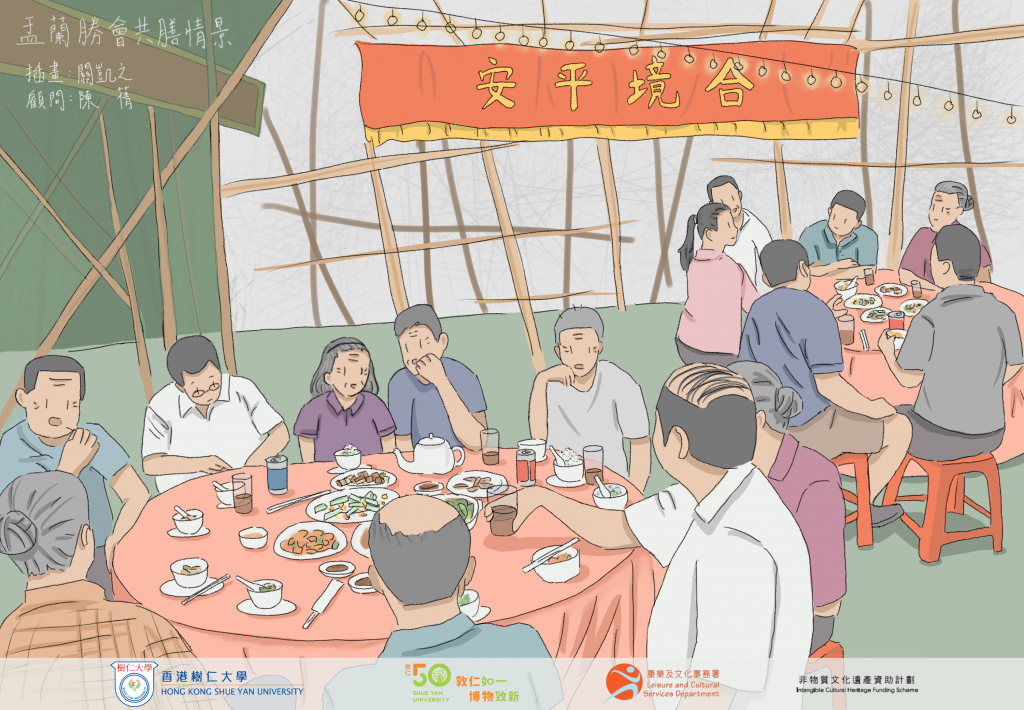
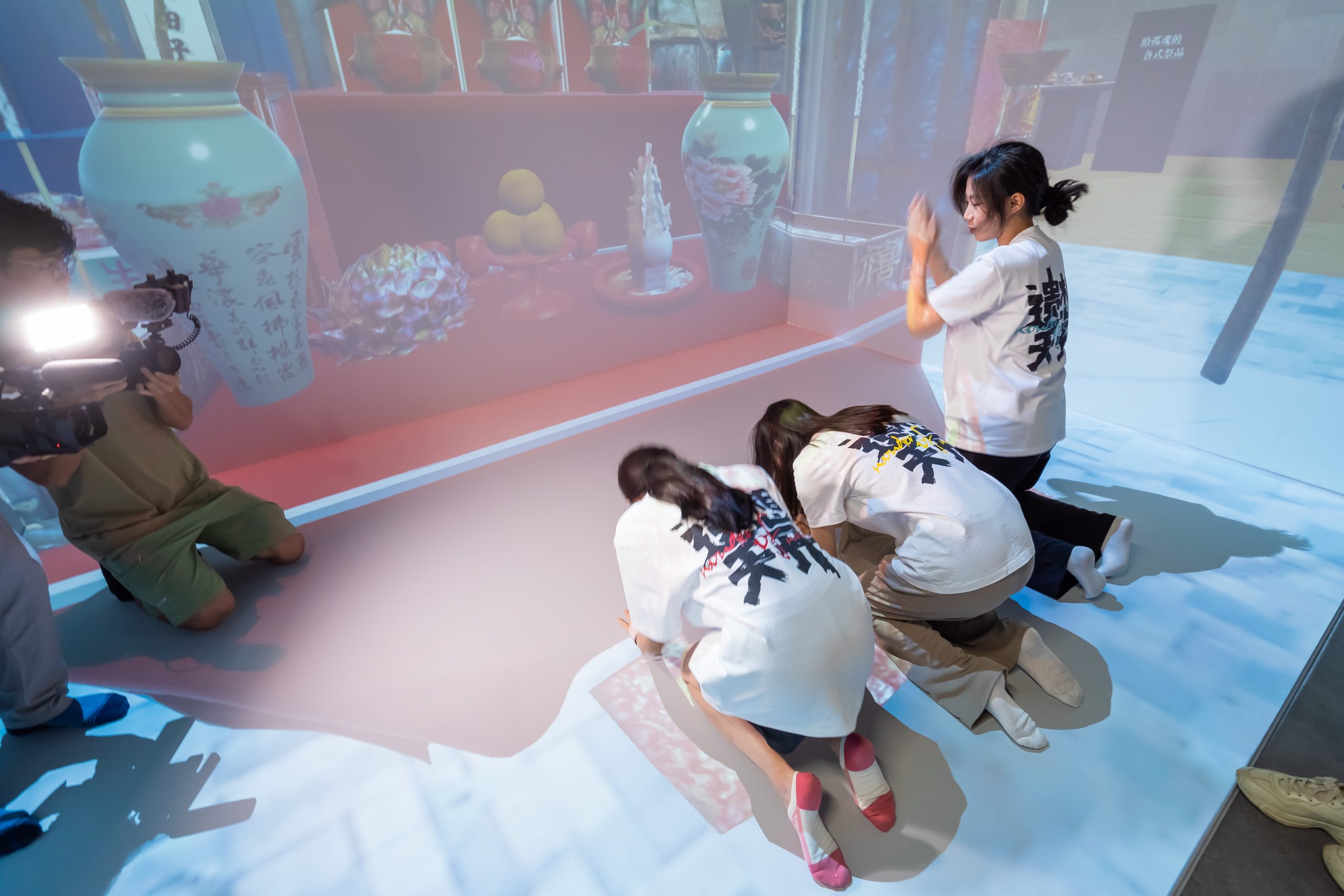
The project will record and analyze features in the Festival that are considered as intangible cultural heritage. Besides studying and documenting the process of organizing the Festival, site layout and use, contents of the religious ceremonies, performance of Chiu Chow operas, techniques of bamboo shed theatre building, and paper crafting, the project also analyzes how Hong Kong’s collective memories and economic history are embedded in the Festival. A virtual Yulan museum will be constructed to display research findings and provide a virtual tour. A documentary and video clips of the Yulan Festival will be displayed on the virtual museum’s website, as well as comic strips, animations, drawings, old photos, and texts. There will be virtual guided tour services of the Yulan Festival, which will allow visitors to interact with the environment, as well as explore and experience a ceremony or artefacts.
A Novel Approach of Documenting Intangible Cultural Heritage
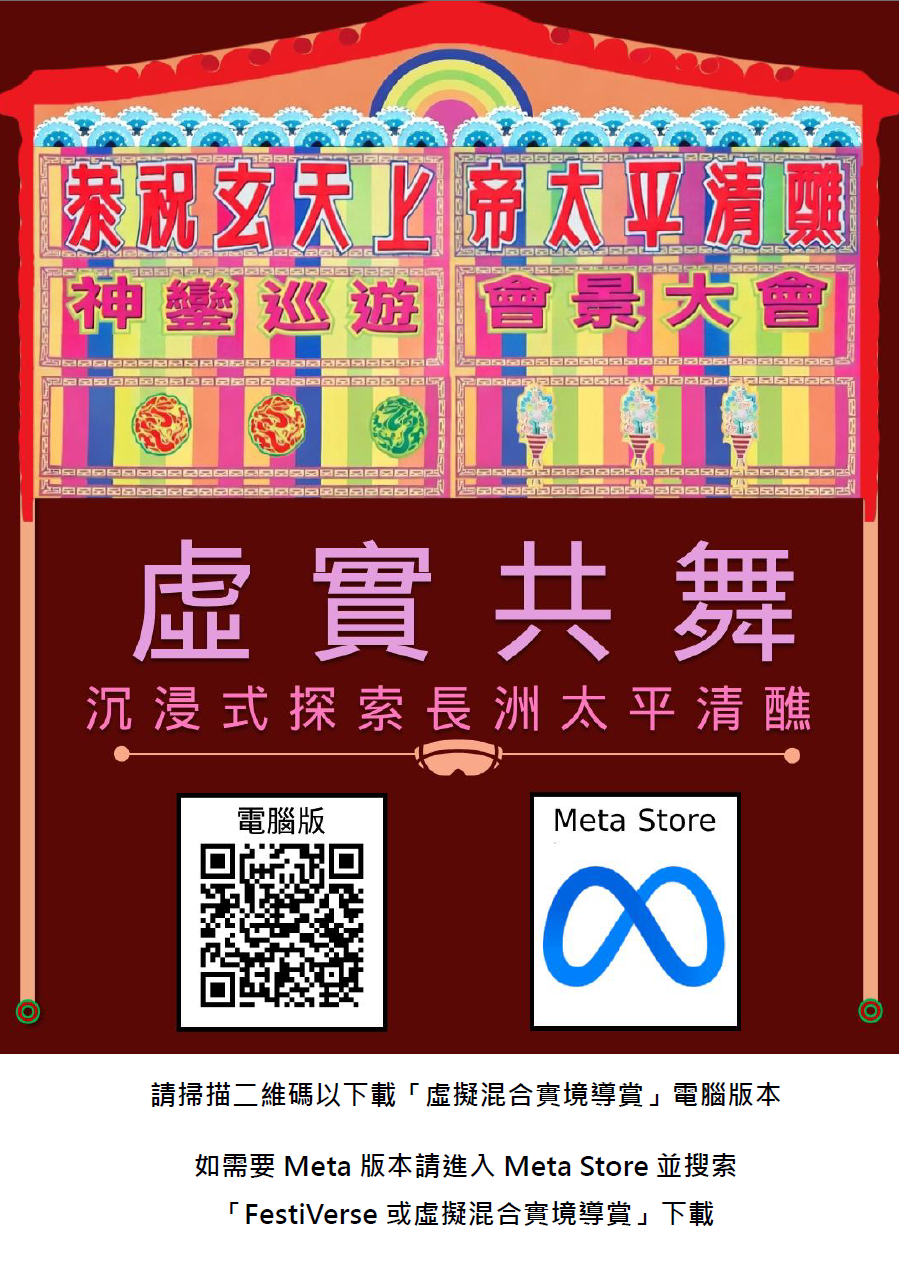
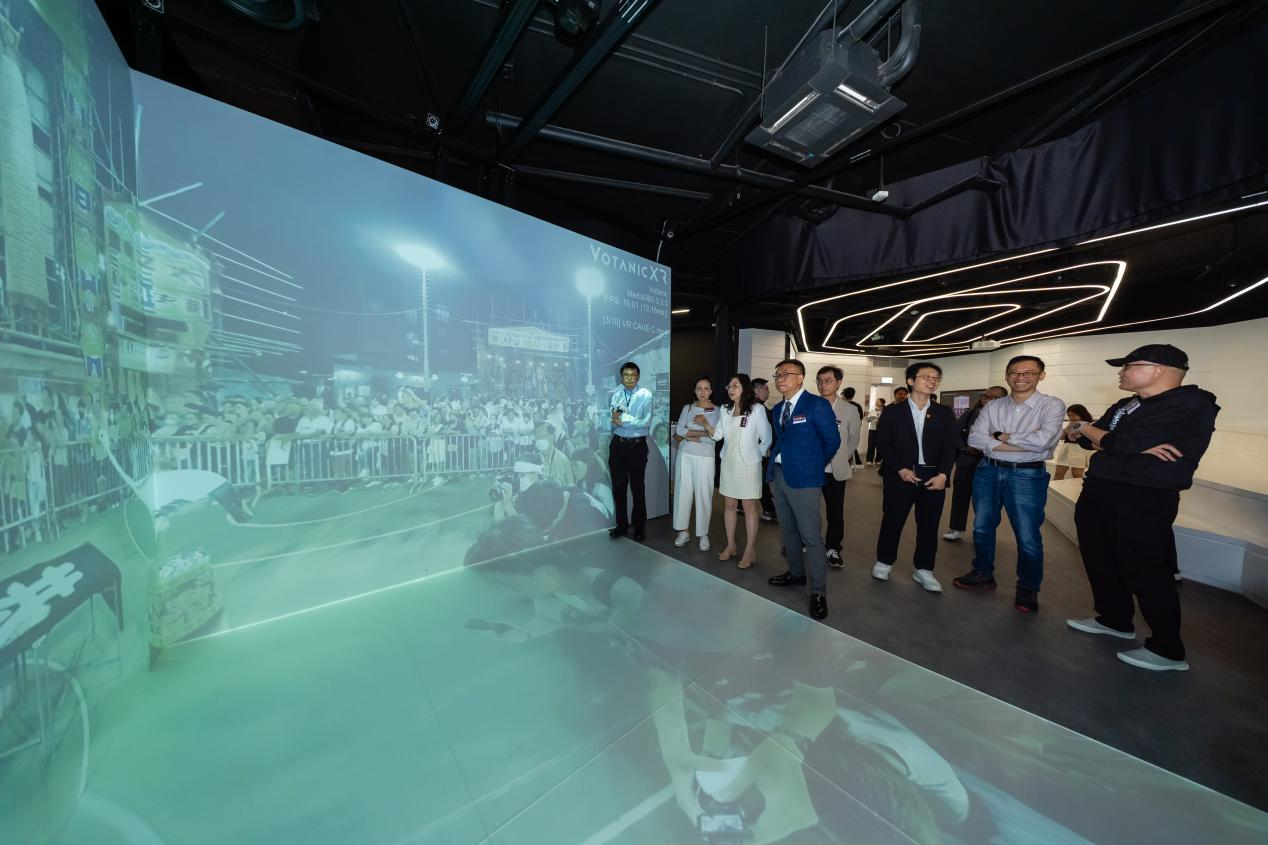
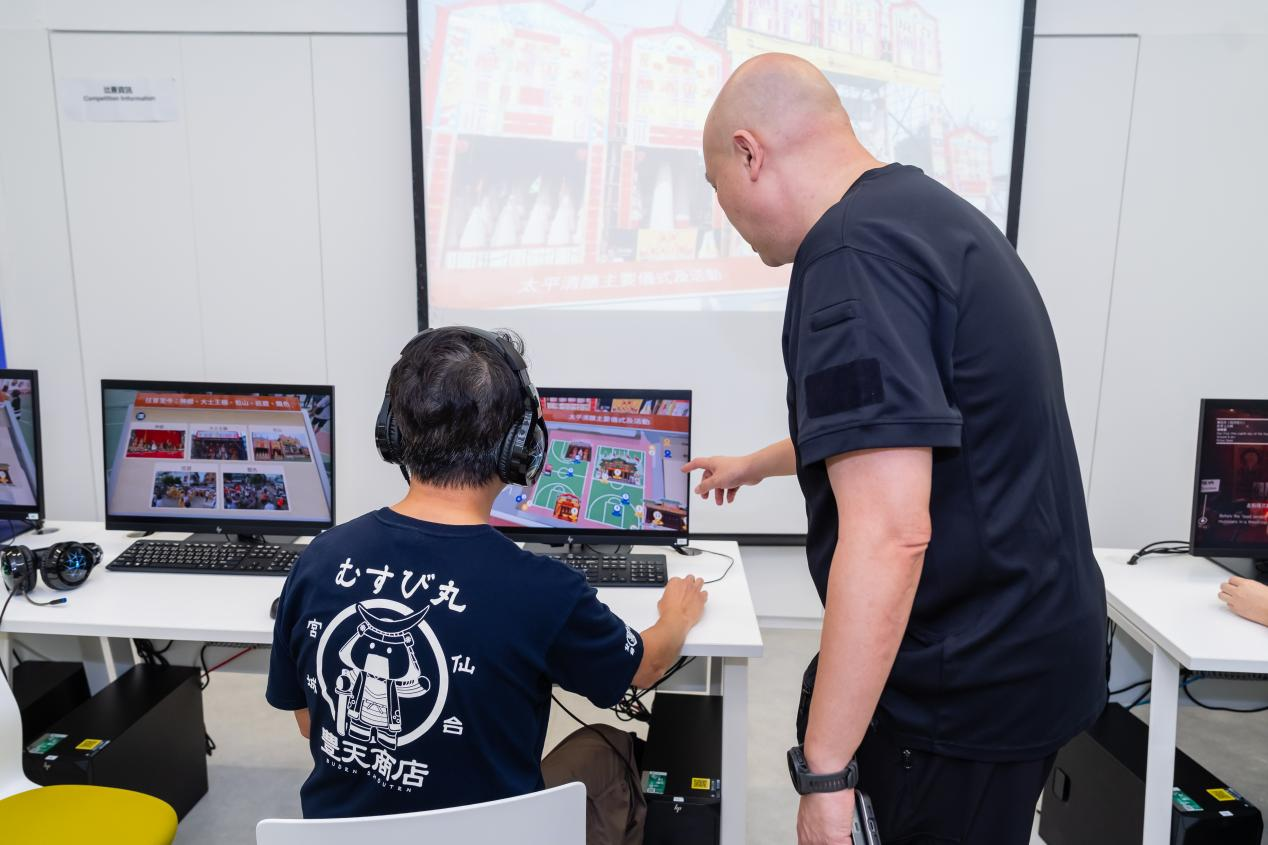
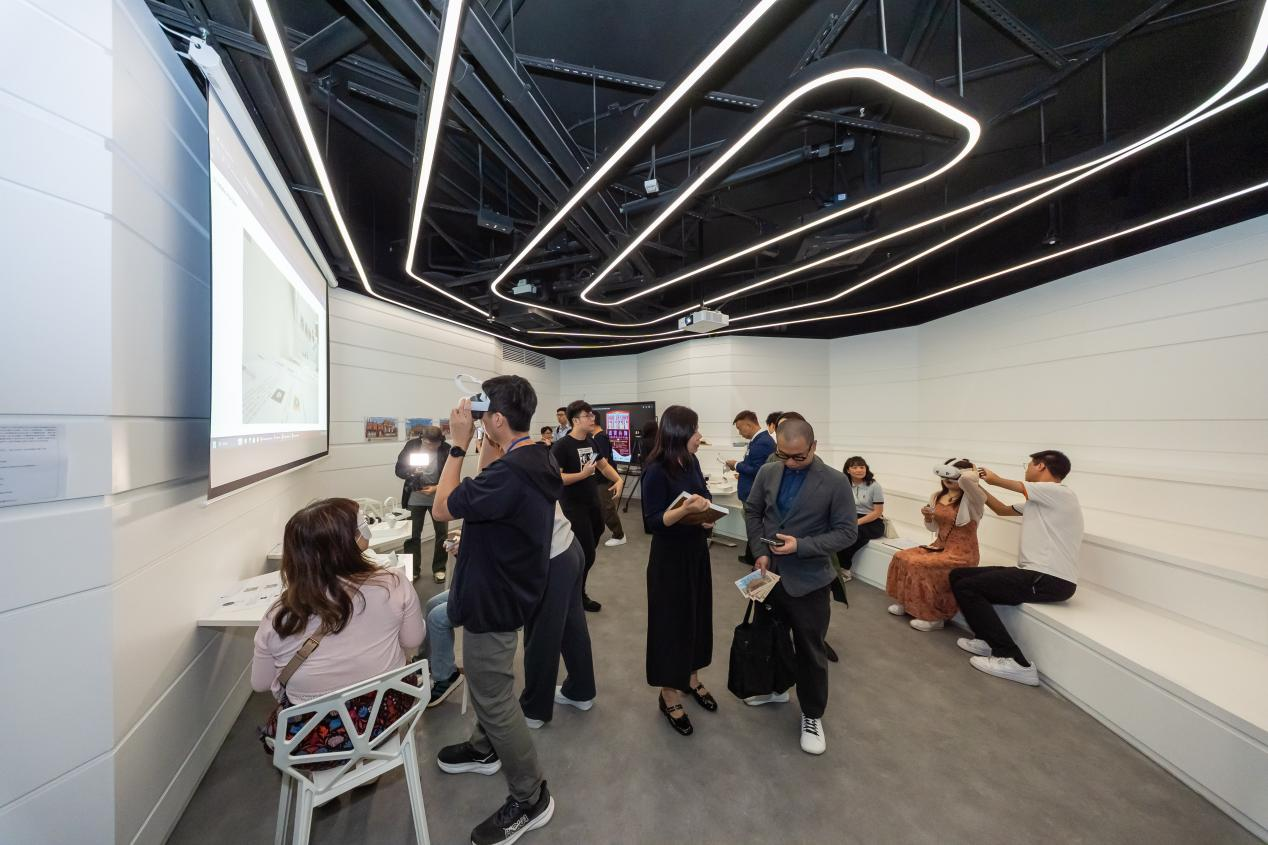
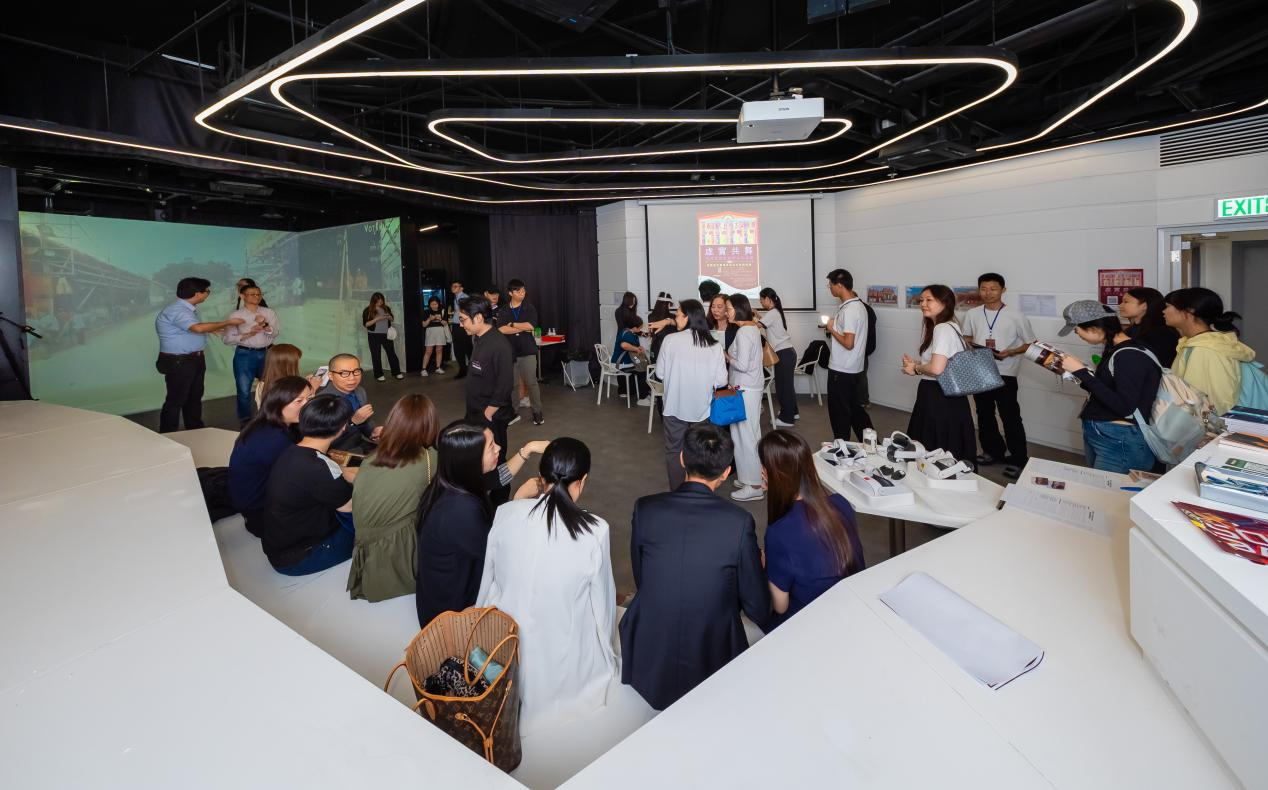
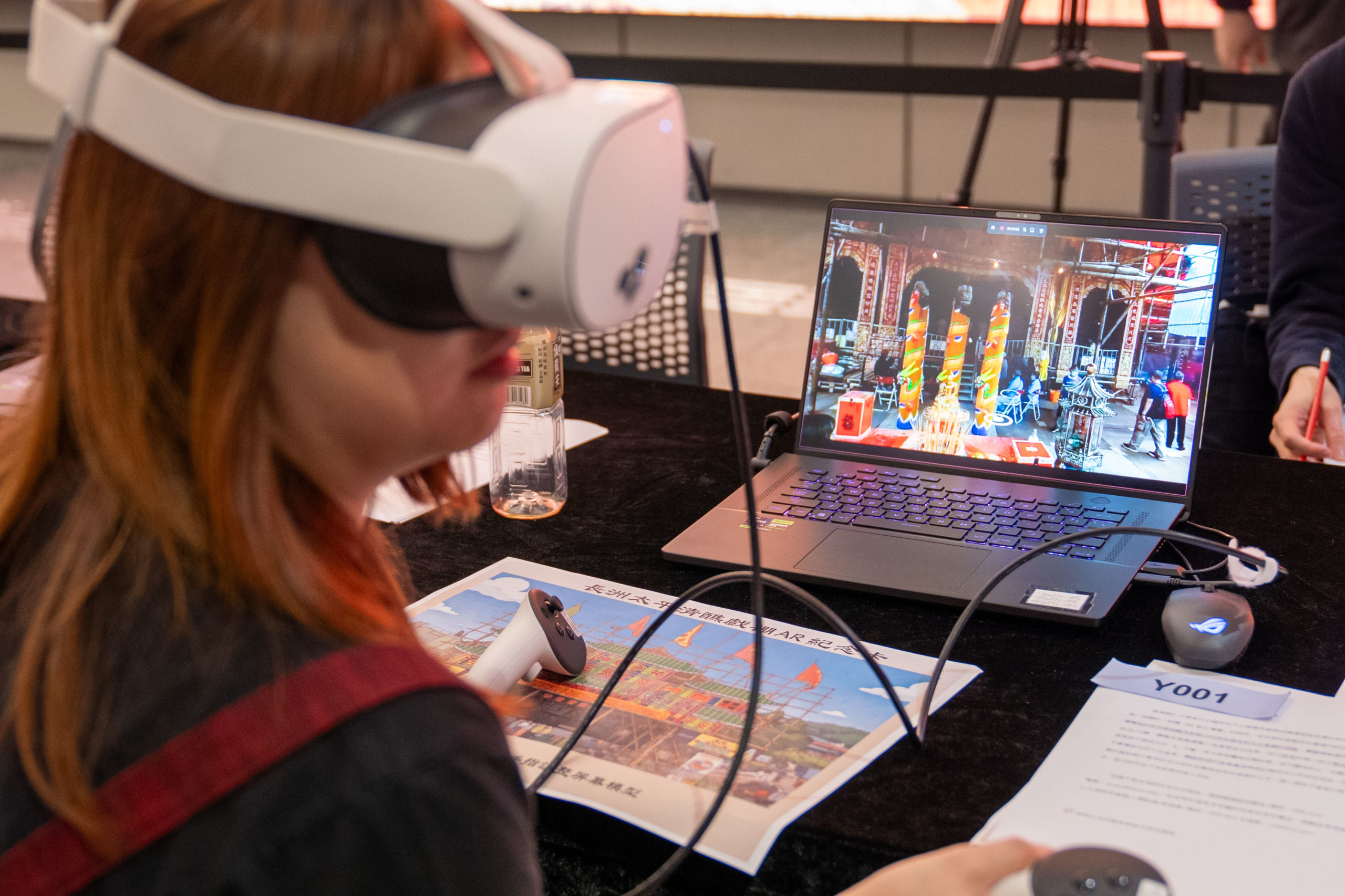
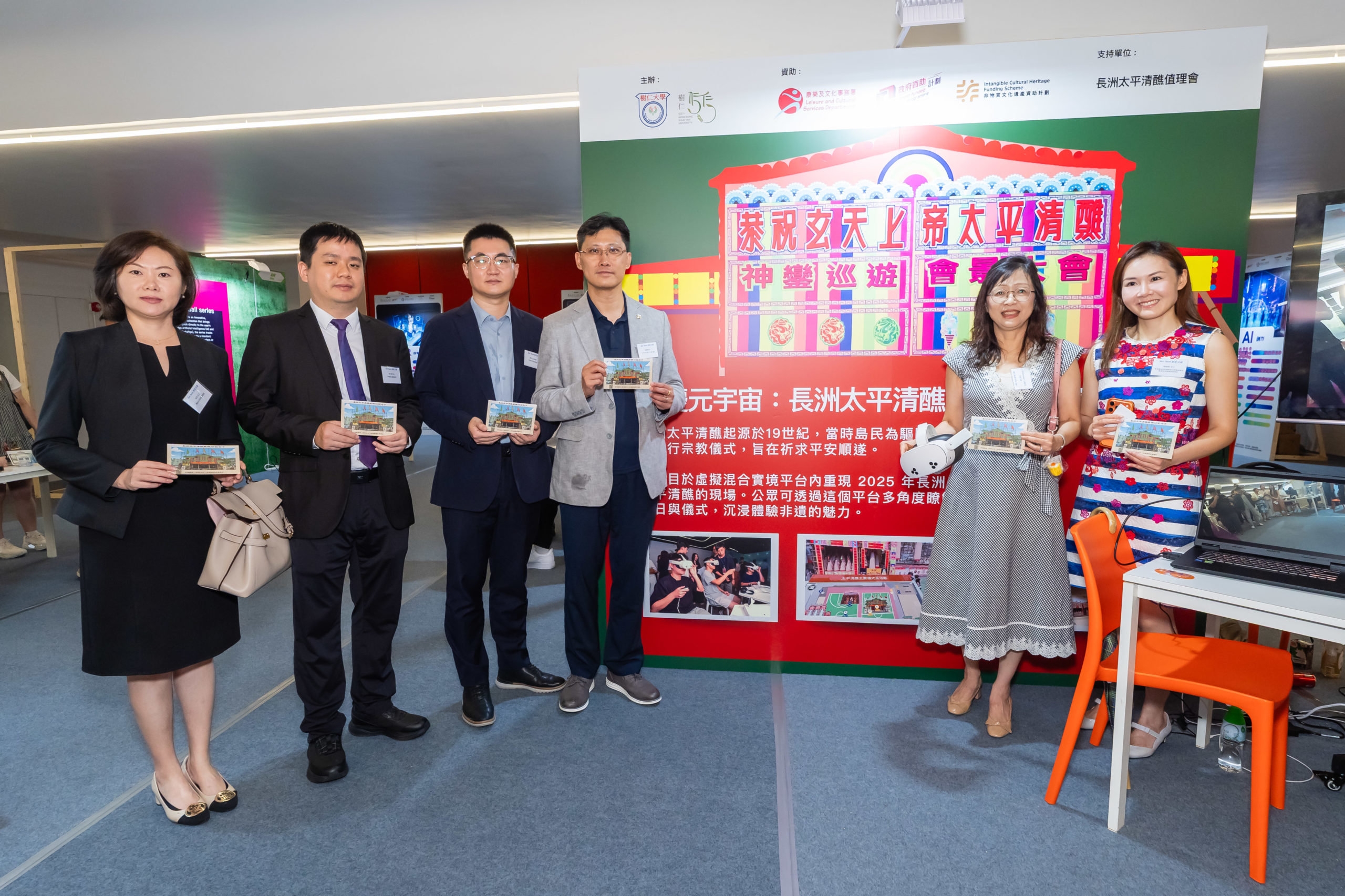
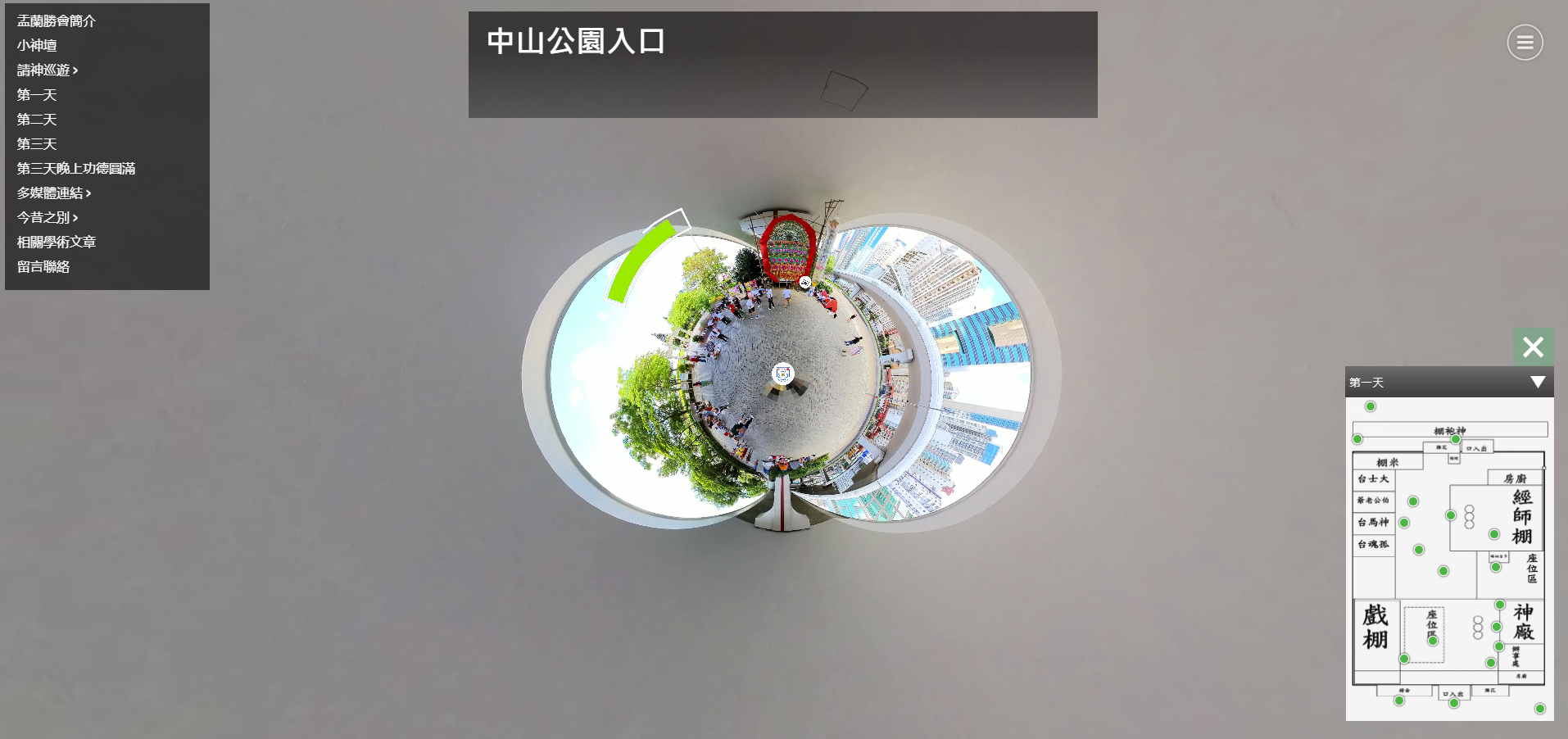
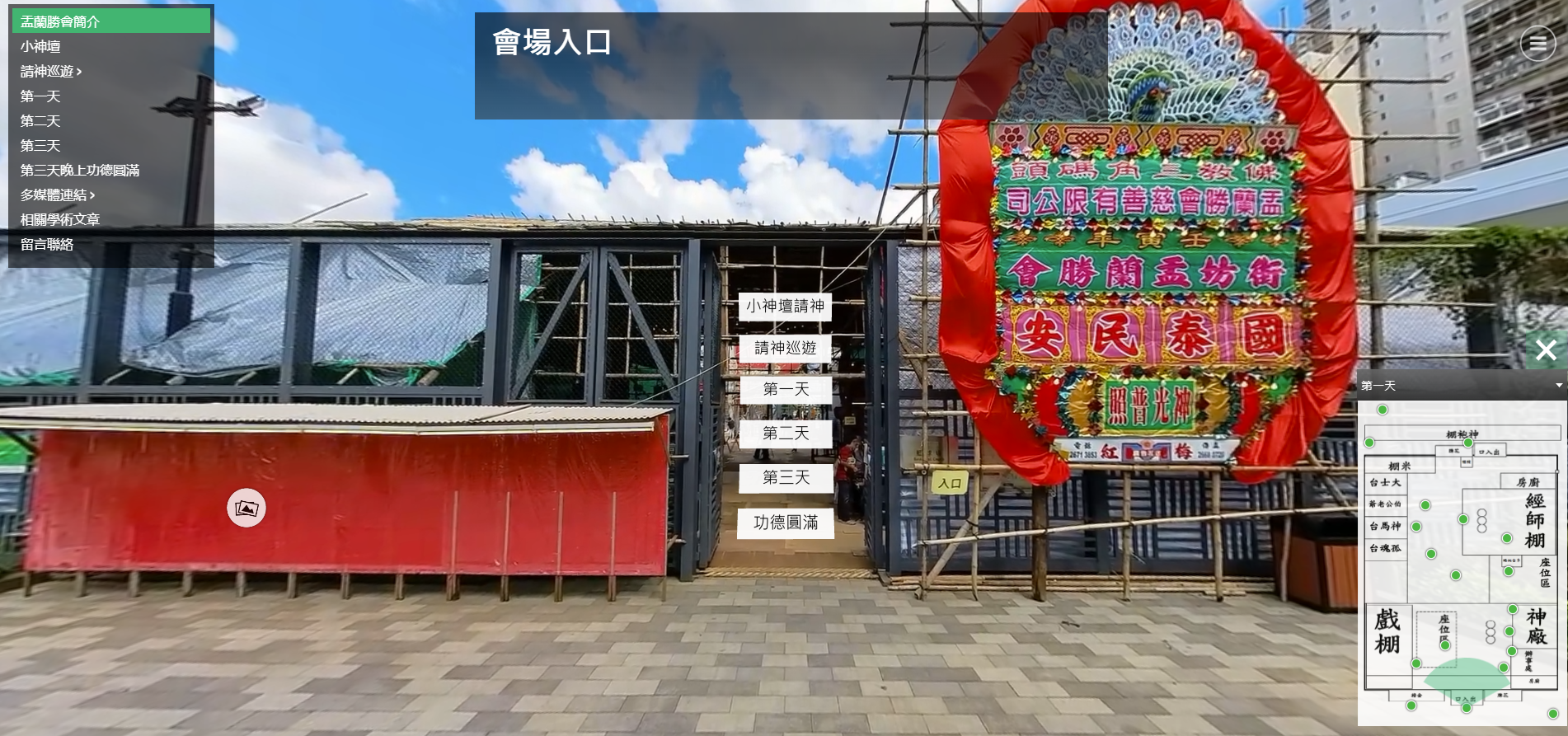
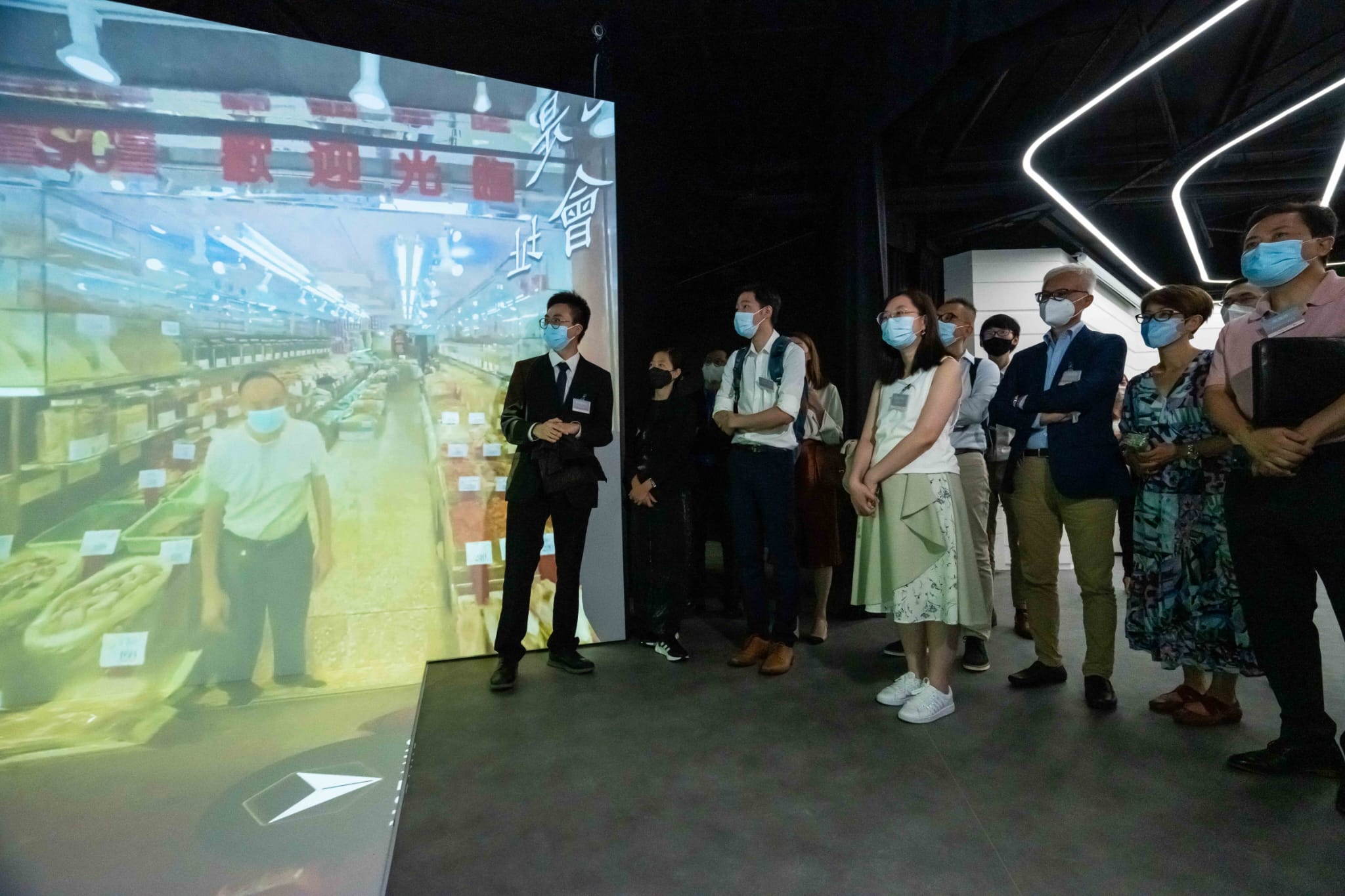
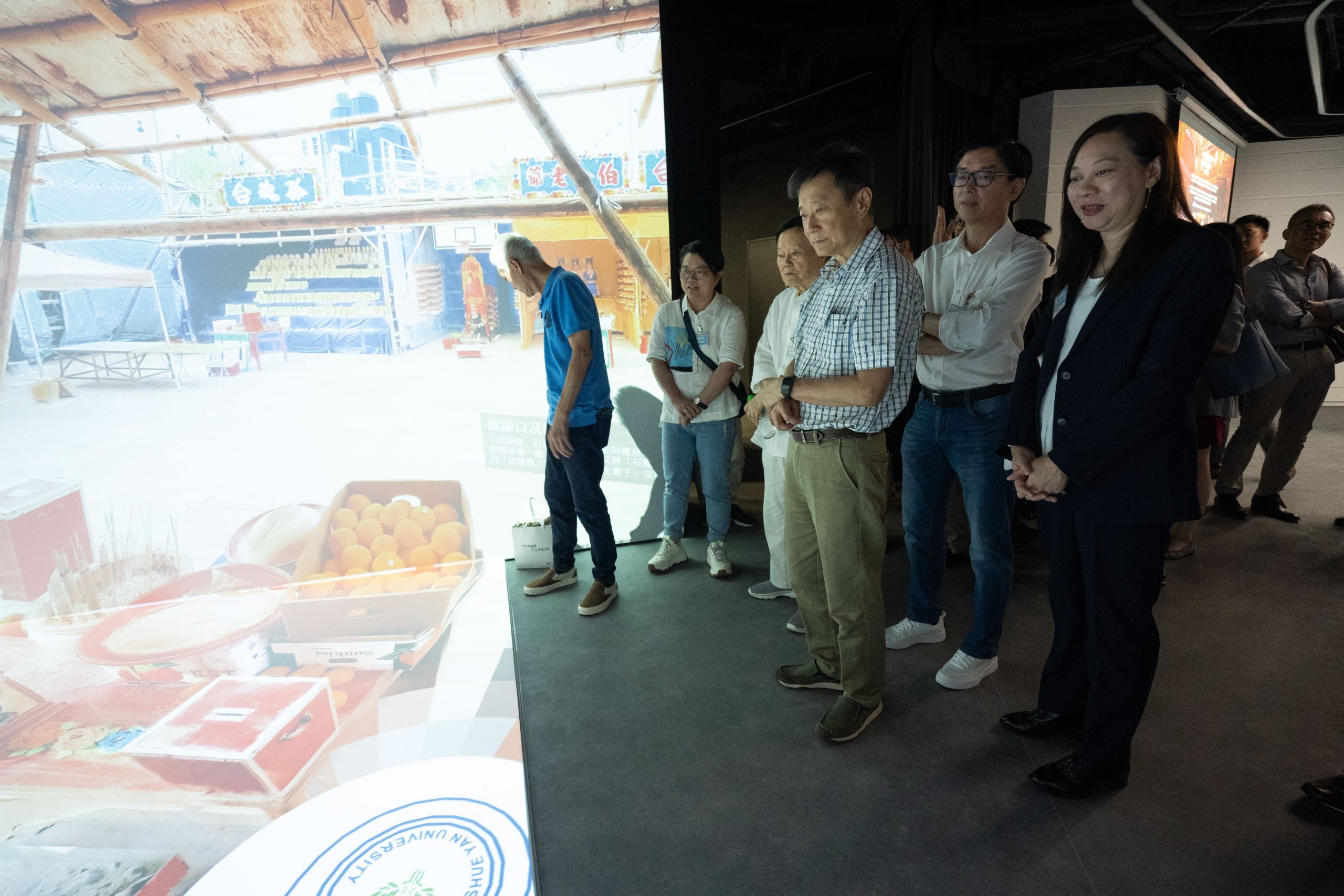
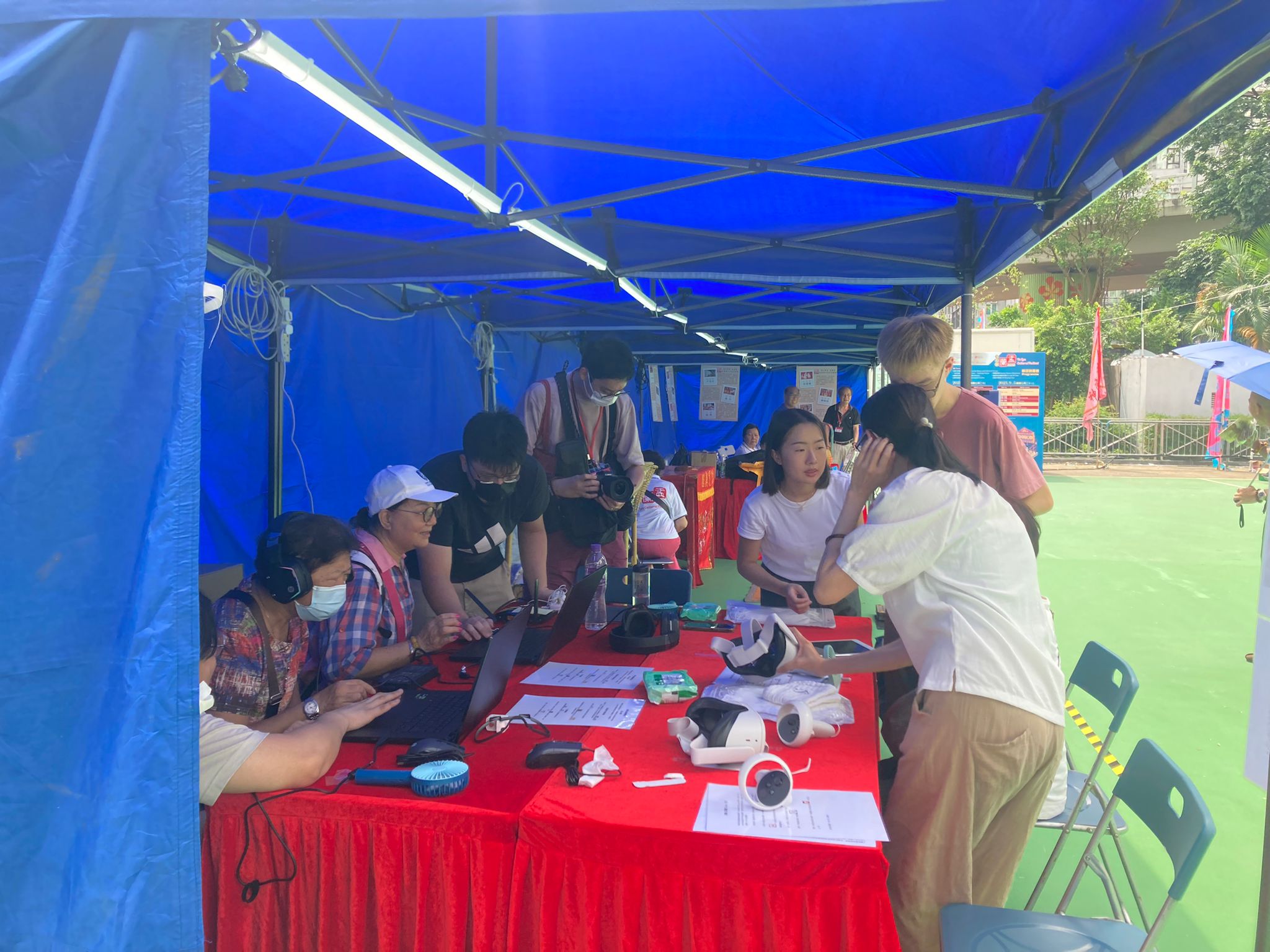
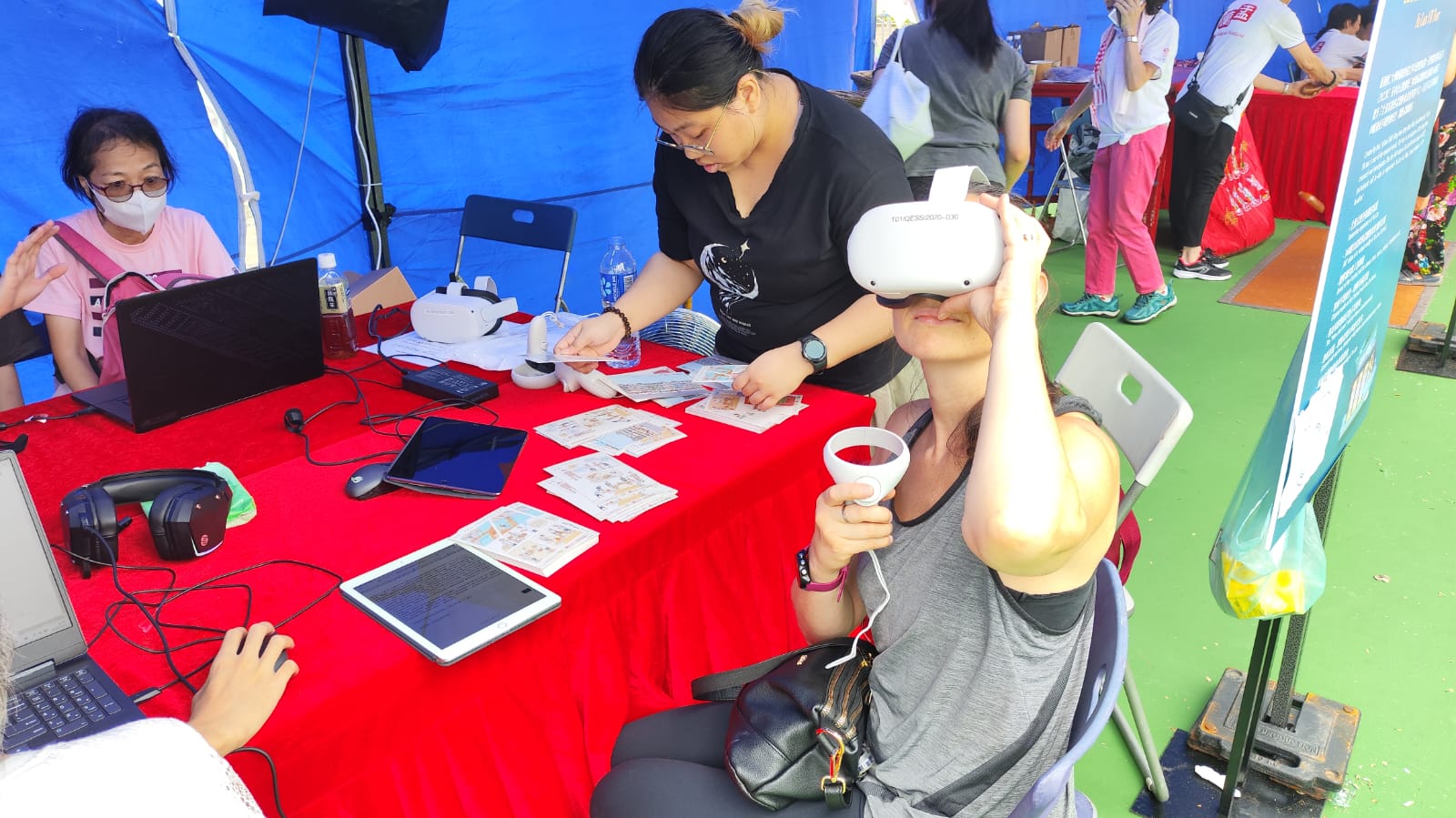
This project used the 360-degree video technology to document a Yu Lan festival that occurred in 2022 and then curated the collected video clips to recreate a virtual tour of the Yu Lan festival celebration, accessible via desktop or VR. The virtual tour aims to capture the festival as an occasion where different activities are going on (e.g., opera performance, religious rituals, and offerings preparations) and also as a spectacle performed and participated by various people (e.g., devotee, Yu Lan organisers/staff, visitors). It encourages visitors to experience the ‘festival’, uncover its different aspects, perceive the emotions and communal spirits embedded in the celebration.
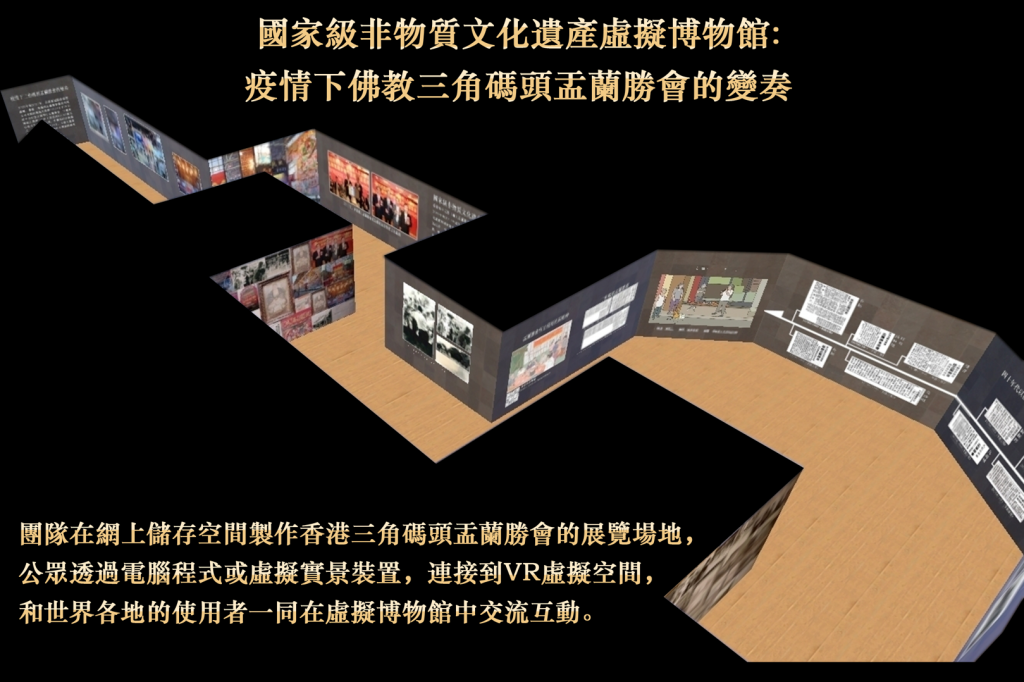
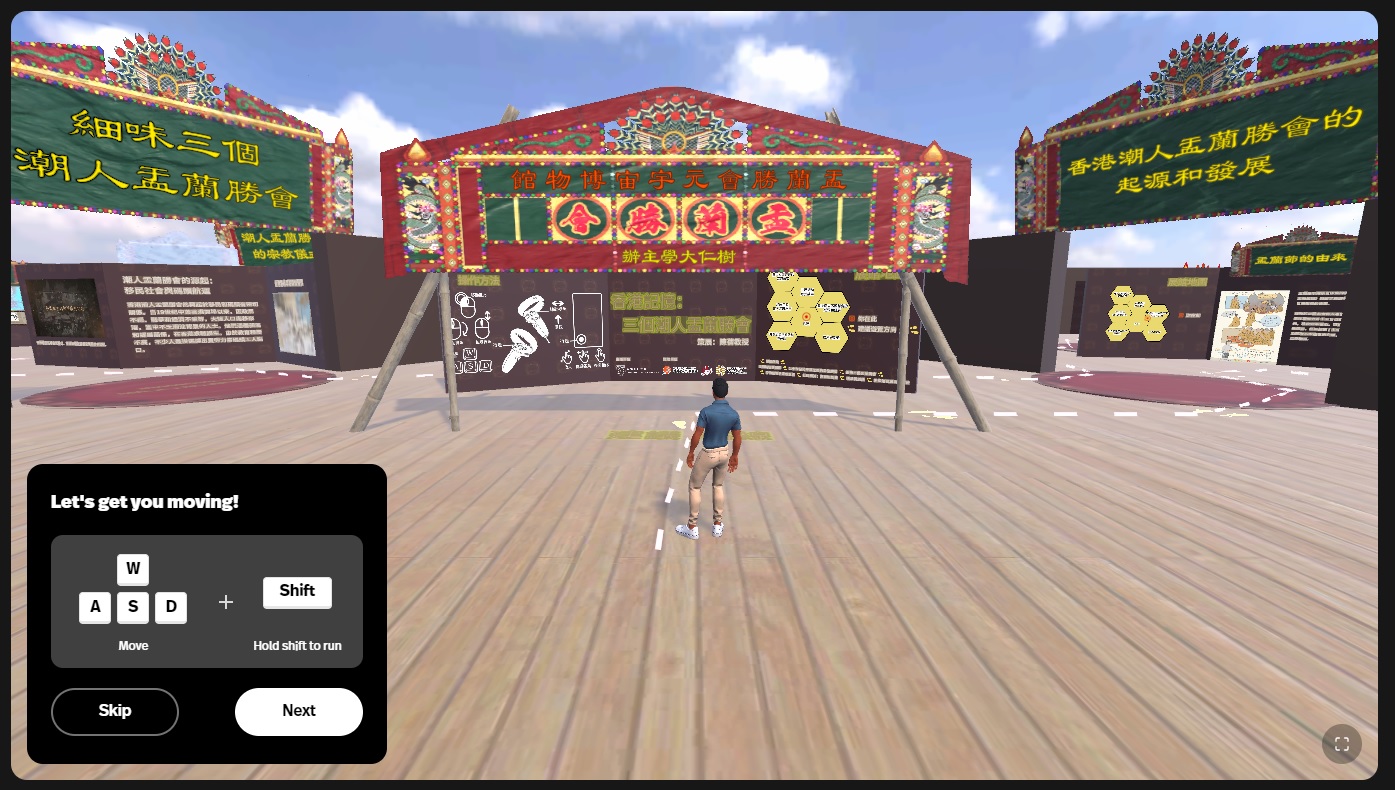
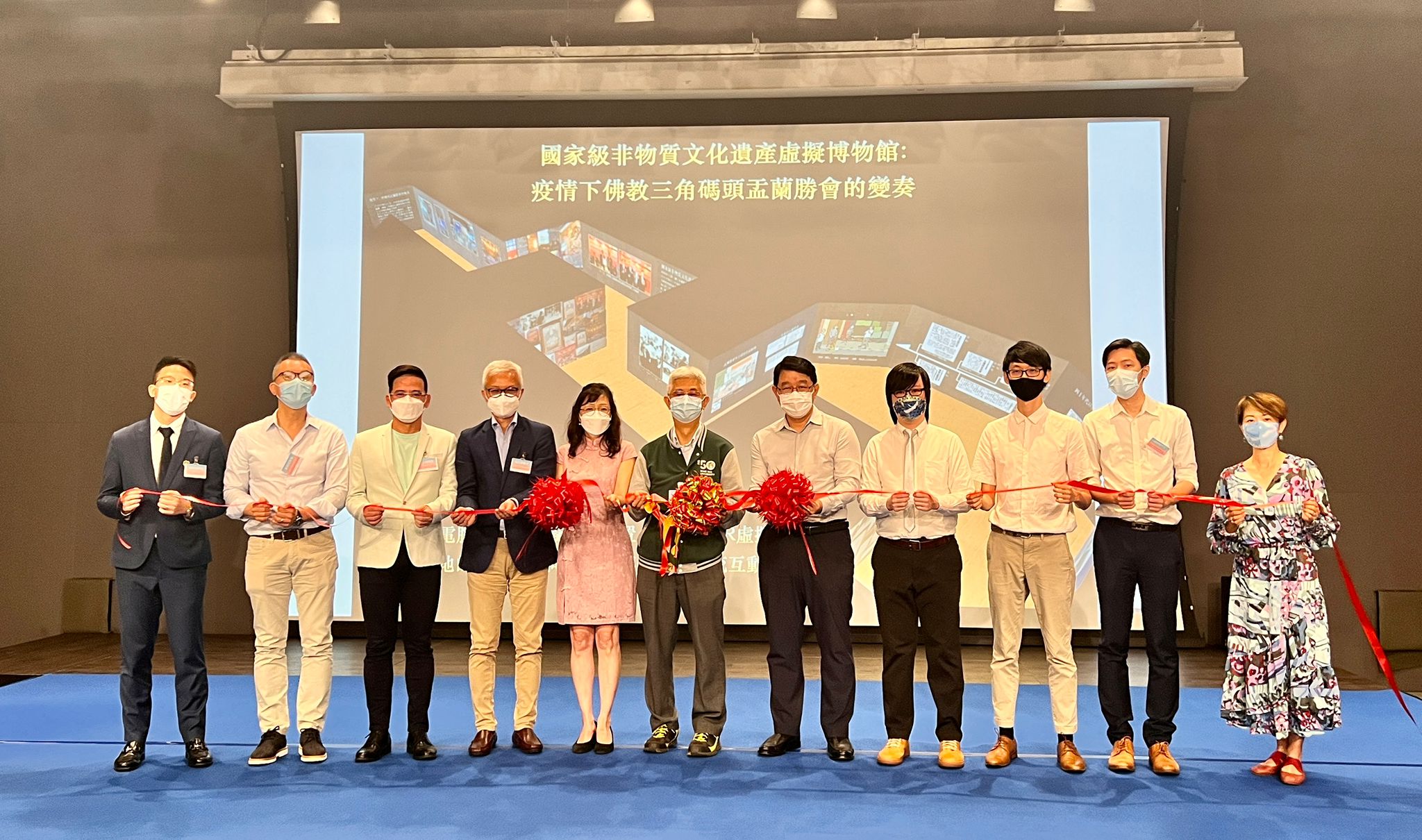
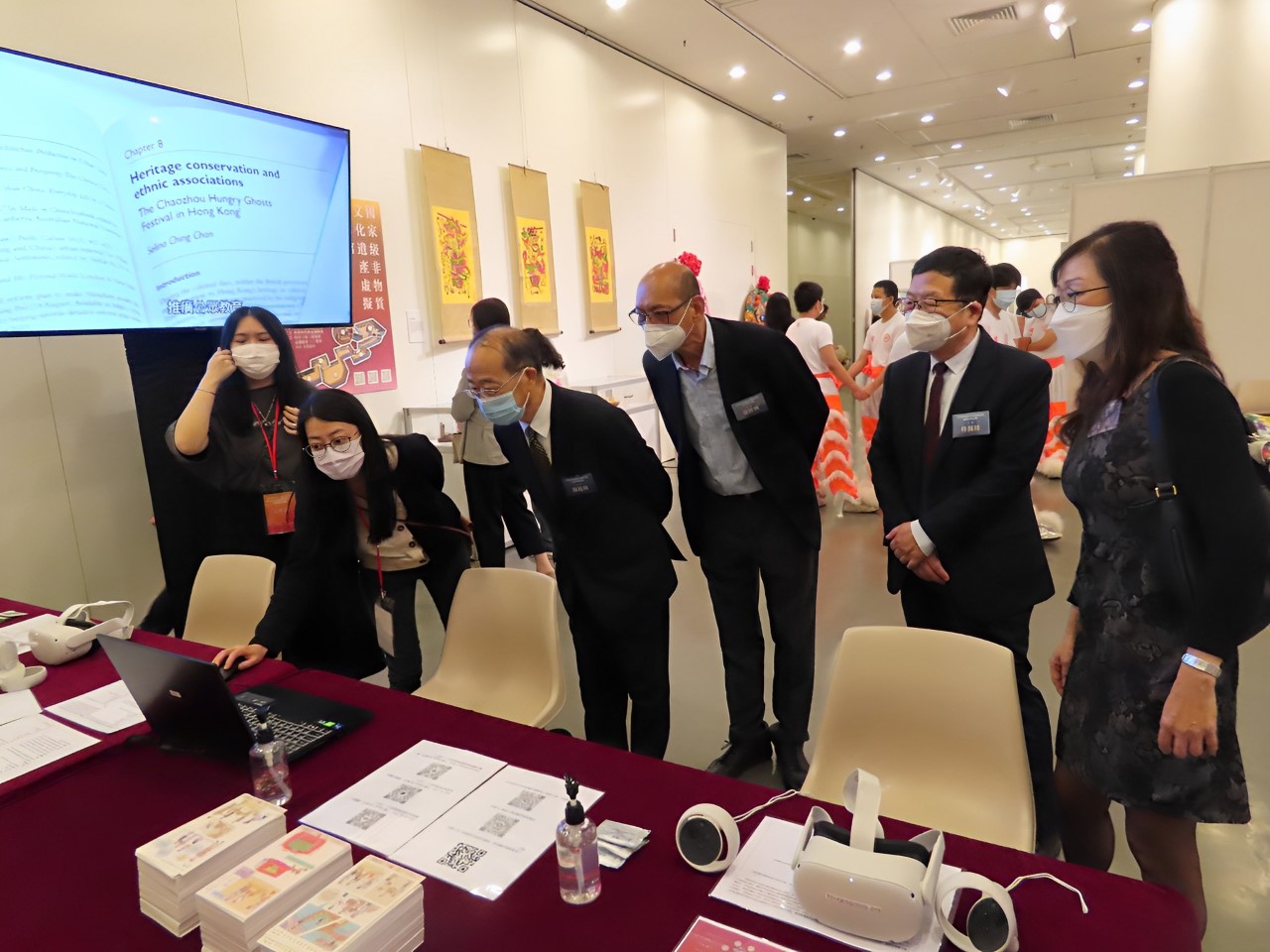
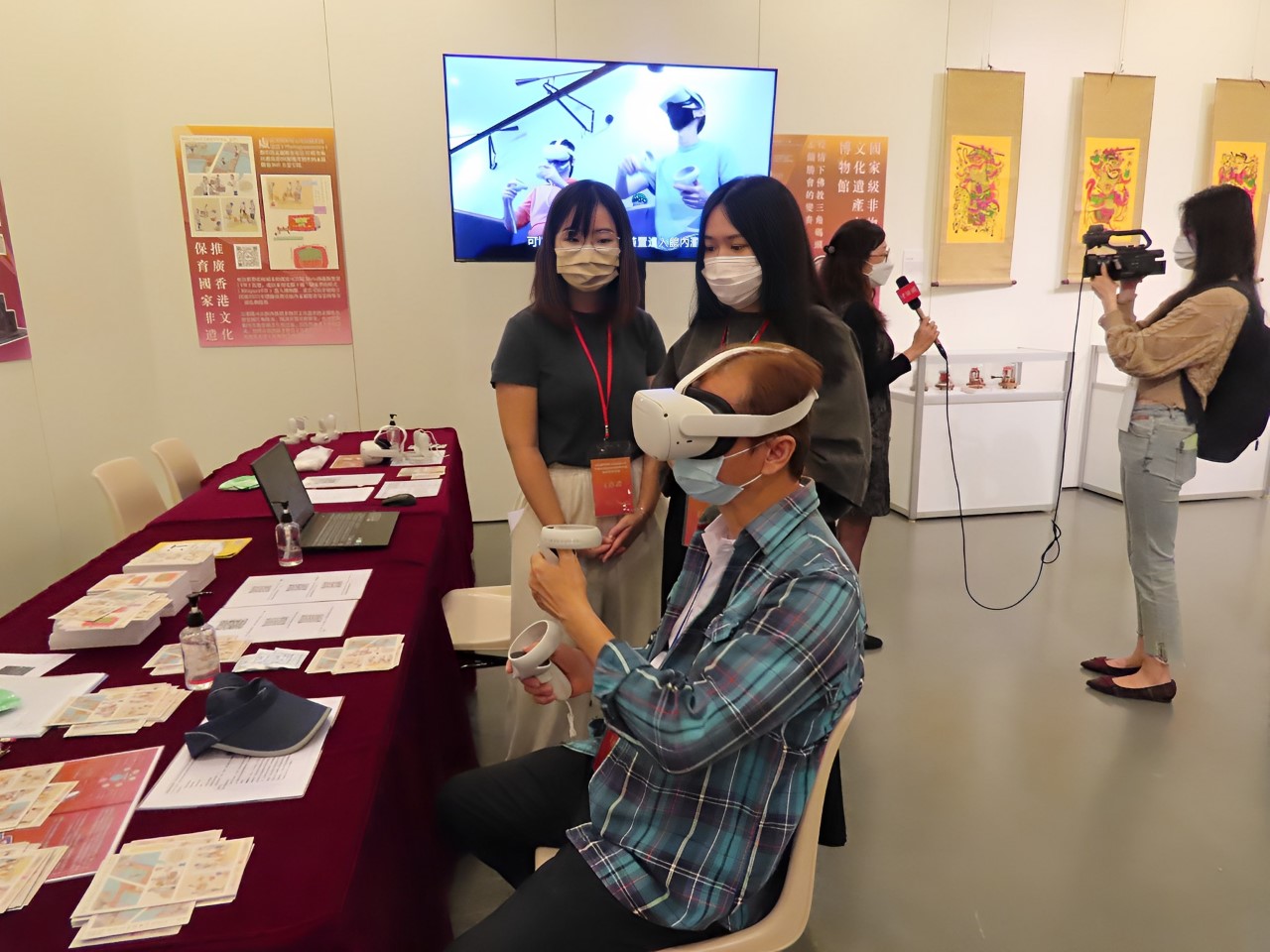
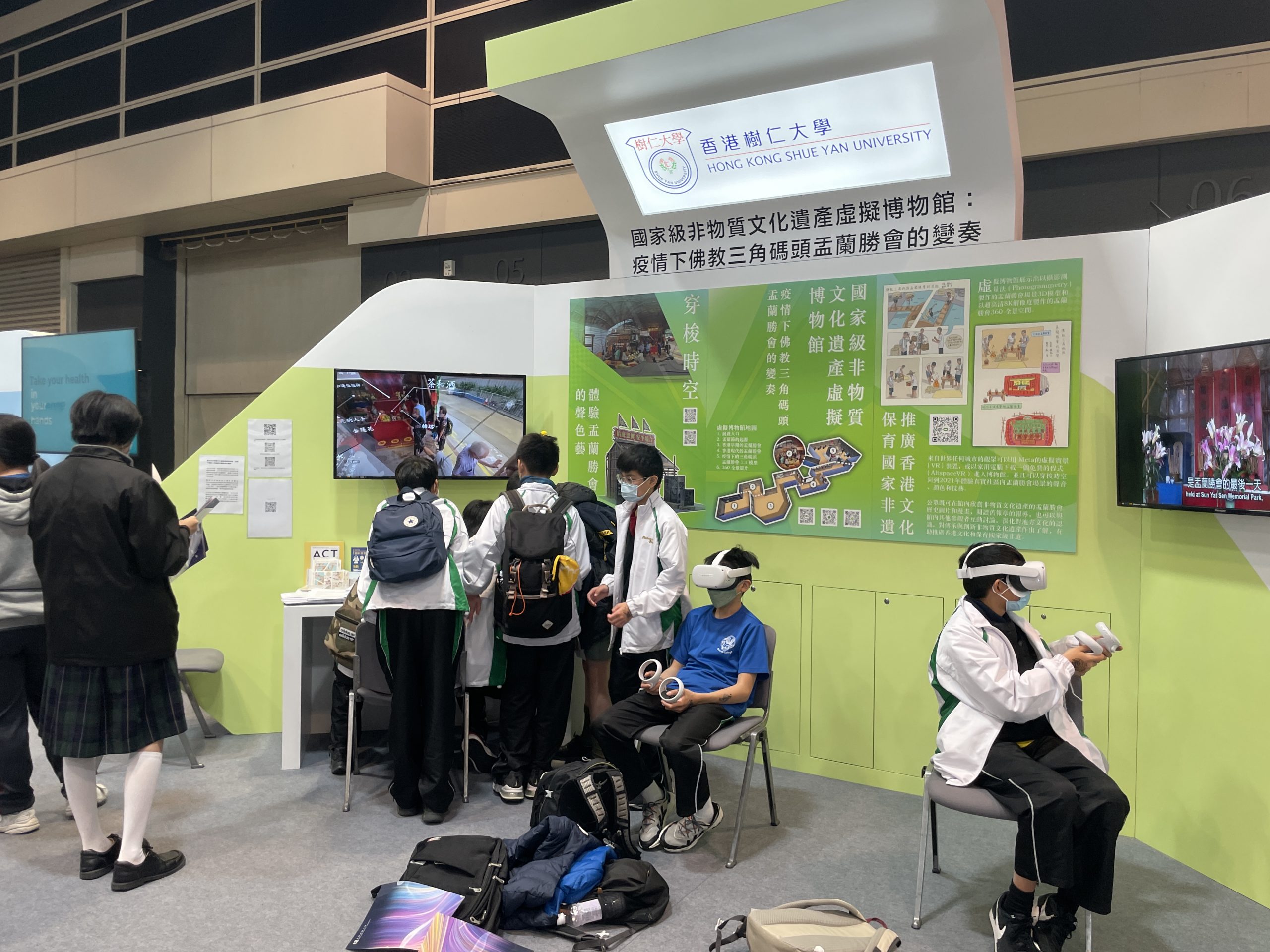
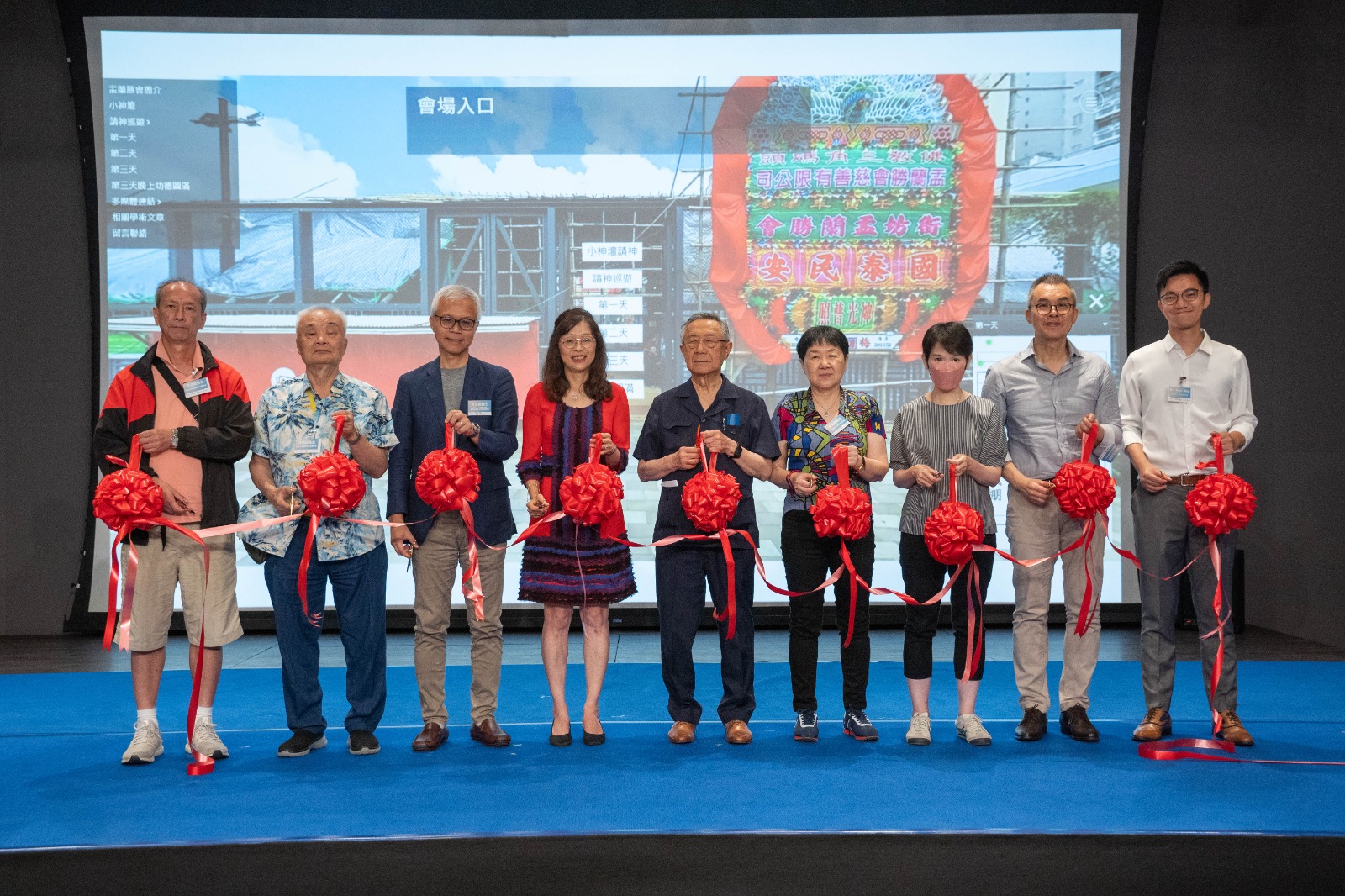
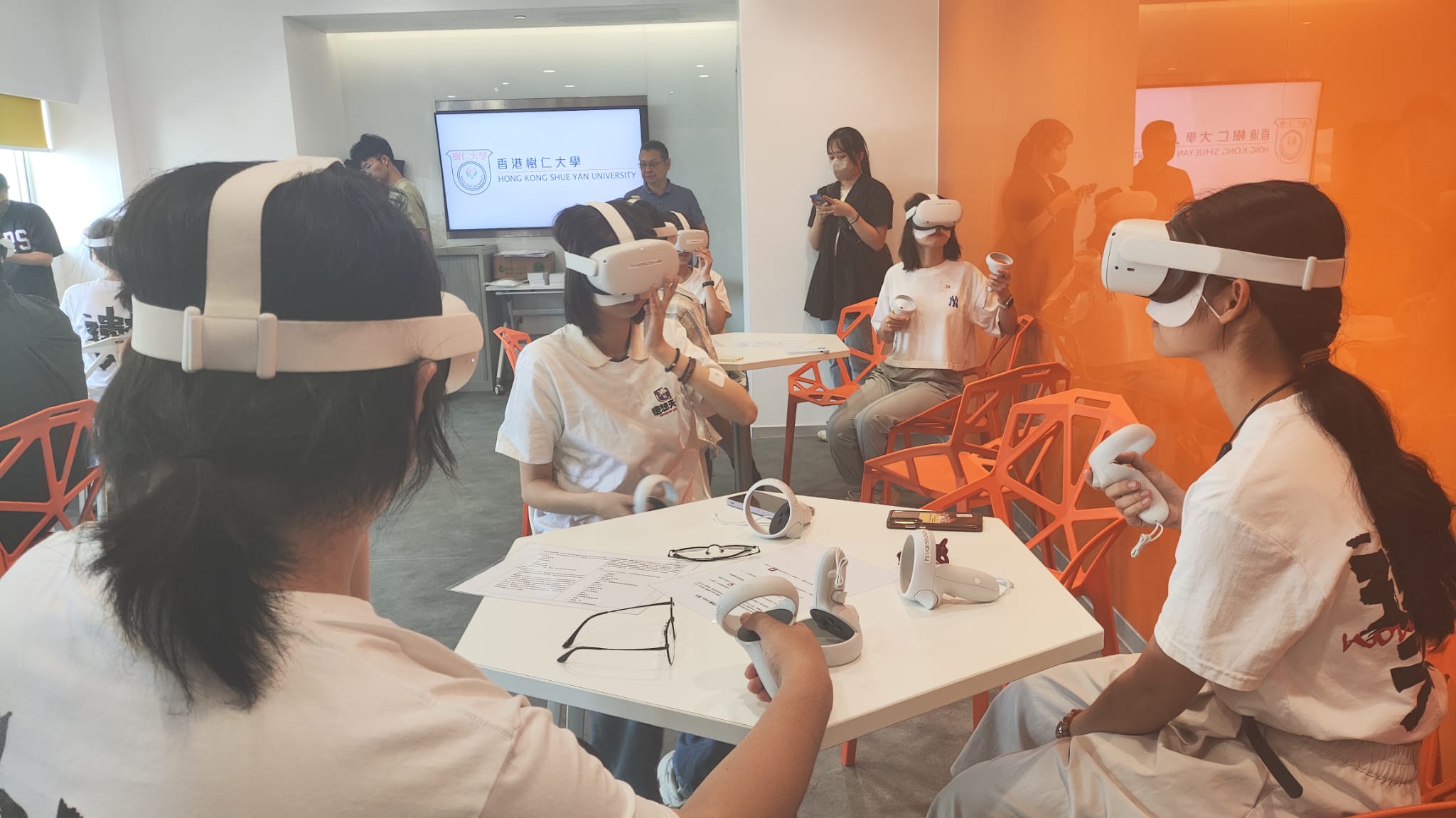
With the support of Quality Enhancement Support Scheme and Intangible Cultural Heritage Office, Professor Selina Ching Chan and her team developed a “Virtual Museum of National Intangible Cultural Heritage: Adaptation of Buddhist Sam Kok Pier Hungry Ghosts Festival under COVID-19 Pandemic.” This is the first virtual museum for intangible cultural heritage in Hong Kong. By utilizing research findings and digital technology, the virtual museum(Phase 1) aims to transfer knowledge, promote public education, and enhance the public understanding of local communities and identities. This project also demonstrates how Hong Kong Shue Yan University performs public education on Chinese heritage and reinvents Liberal Arts University education through research-informed, technology-enhanced teaching.
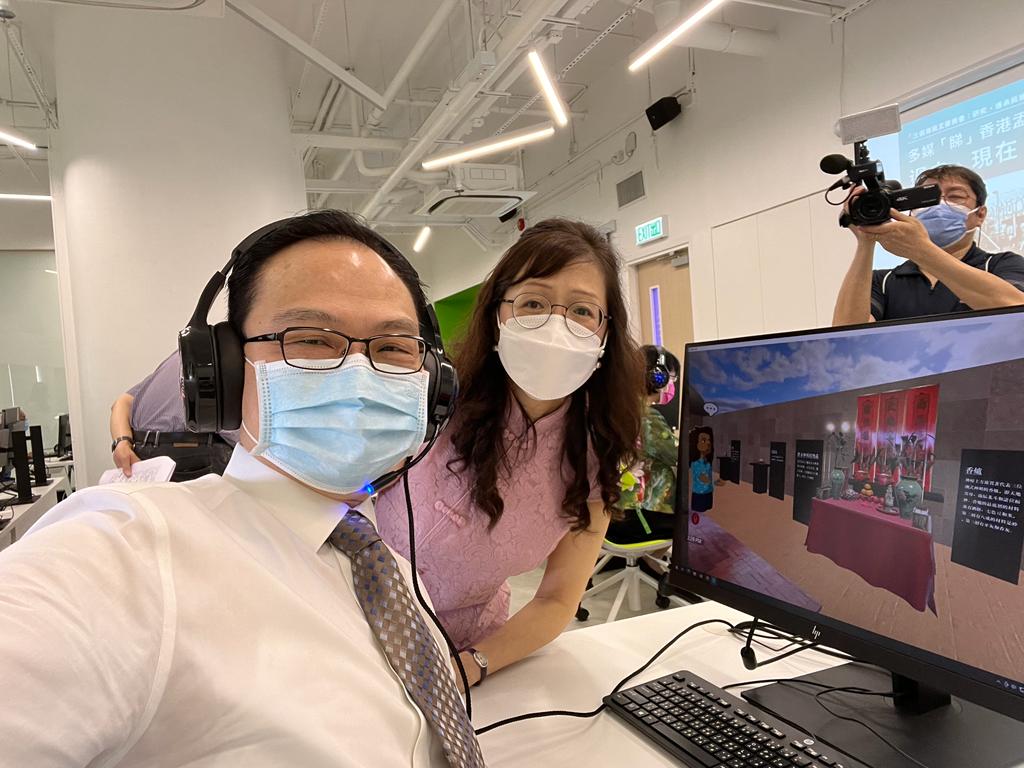
The audiences from different parts of the world may enter the virtual museum (Phase 1) as avatars and will be able to interact with each other, e.g. engage in tutorial discussion and take selfie. Max: 30 people enter the museum at the same time.
With the funding support of Intangible Cultural Heritage Office, Professor Selina Ching Chan constructed a Virtual Museum, Hong Kong Memory: Yulan Festival.
Click here for a quick view of the 3D model of the temporary altar displayed in the virtual museum (Phase 1).See animations displayed in the virtual museum(Phase 1) below.
3D Models
三角碼頭盂蘭勝會神棚 (2022)
尖沙咀官涌街坊盂蘭勝會 (2023)
尖沙咀街坊盂蘭勝會司機神棚 (2023)
尖沙咀街坊盂蘭勝會工商神棚 (2023)
神馬棚 (2023)
大士臺 (2023)
神袍棚 (2023)
Short Videos
Hong Kong’s Chaozhou(Chiuchow)Hungry Ghosts Festival in Covid-19 Pandemic: Buddhist Sam Kok Mar Tou
United Nations Educational, Scientific and Cultural Organization (UNESCO) Intangible Cultural Heritage
Contributor: Selina Ching Chan (Hong Kong Shue Yan University)
Due to the Covid-19 pandemic in 2020, all kinds of public gatherings were suspended in Hong Kong. All the traditional celebrations of the Chaozhou Hungry Ghosts (Yulan) Festival – Hong Kong’s ICH, and China’s national-level ICH – in the conventional public spaces were cancelled because the government forbade crowd gatherings and refused to release these sports grounds for the festival. Chaozhou operas were abandoned due to crowd control and travel restrictions on performers from Mainland China. Similarly, there was also a shortage on religious specialists for rituals because they were mostly from Mainland China.
In the pandemic, organizers at different districts tried very hard to maintain the traditional festival rituals in order to purify the communities and pray for ……
潮州公和堂盂蘭勝會珍藏照片Collections of the Hungry Ghosts (Yulan) Celebrations Photos by Chiuchow Kung Wo Tong Friendly Association
“The Chinese Diaspora of Southeast Asia and Hong Kong”
Funded by Hong Kong Museum of History, HKSAR Government Amount of Grant: HK$646,800
Project Investigator: Dr. Yew-foong Hui
Project Description:
The Chinese have been migrating to different parts of Southeast Asia since 111BC for political and economic reasons. However, it was only in the 19th to 20th centuries that large numbers of Chinese workers and merchants flocked to different parts of Southeast Asia. Hong Kong and Singapore played an important role in this migratory wave as British colonial ports that facilitated the movement of Chinese populations between South China and various parts of Southeast Asia. Moreover, as a cosmopolitan city on the doorstep of China, Hong Kong has had close connections with Chinese communities in Southeast Asia throughout the mid-19th to 20th centuries, and they continue to be relevant and active today. This project examines the history of Chinese migration to Southeast Asia, highlighting the connections between these Chinese communities and Hong Kong.
“Festivals in Hong Kong: Past and Present”
Funded by the Hong Kong Museum of History, HKSAR Government Amount of Grant: HK$649,478
Project Investigator: Prof. Selina Ching Chan
Project Description:
This research aims to explore the relationship between festivals and the historical development of Hong Kong, and analyze how the performance of festivals reveals the colonial political background and the historical characteristics of the immigrant society. It examines how various festivals have been performed in the era of fishing and farming, entrepot trading economy, industrialization, globalization, and reunification of Hong Kong to China. It also investigates how festivals appear in urban public spaces in new forms and with new meanings at various times, revealing the changes in the daily lives of Hong Kong people and their diverse and complex identities. It examines how the performance of various festivals today embodies the unique hybrid culture with reference to the changes in traditional patriarchal society, the intermixing of different types of cultures brought by the immigrants to Hong Kong, the impact of globalization, as well as the influence of consumerism.
“Edible Heritage and Sensory Heritage Making in Chinatown and Little India (Singapore)”
Funded by the National Heritage Board (Singapore)
Project Investigator: Dr. Yew-foong Hui
Project Description:
This project seeks to document and analyze foodscapes and sensory heritage in Singapore. It does so with particular reference to the case studies of Chinatown and Little India in reflecting how everyday memories and gastronomic experiences serve as avenues through which sensory heritage may be delineated and constructed. Through its research, the project hopes to be able to make pertinent contributions towards the study of intangible cultural heritage, social memory and food studies in Singapore.
“Mapping Diasporic Networks: The Case of the Indonesian Chinese”
Funded by the Research Grants Council (RGC), Hong Kong Amount of Grant: HK$585,350
Project Investigator: Dr. Yew-foong Hui
Project Description:
This project maps out the migratory paths of Medan Chinese and investigates how they are connected and organized across national boundaries. This part of the Chinese diaspora, distributed across Indonesia, China, Hong Kong and Taiwan, continues to be connected through kinship, alumni or hometown association ties. Through multi-sited ethnographic research in Indonesia, China, Hong Kong and Taiwan, this project will study these ties and ask if they represent a kind of Chinese transnationalism that can persist across generations and geographical regions.